
Global whey protein demand is outrunning dairy industry supply
A surge in high-protein products is sending whey prices sharply higher in the US and Europe, reducing exports and forcing food companies to rethink formulations and investment plans.
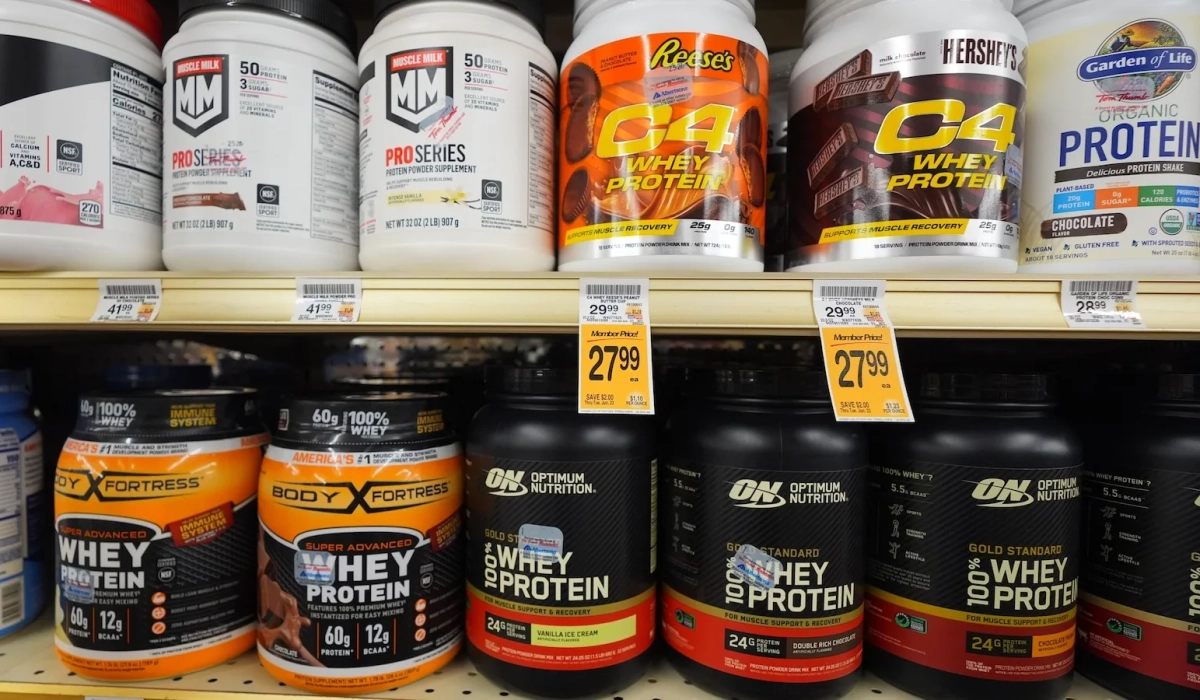
The global dairy ingredients market is running into a new imbalance: demand for whey protein is increasing faster than the industry can supply it. In an Associated Press report carried by ABC News, analysts and companies describe a market transformed by the rise of high-protein products. Whey used to be closely associated with athletes and older consumers looking to maintain muscle, but food makers are now adding it to cereals, chips, bagels, tortillas and even coffee drinks to capture mainstream demand.
The scale of that demand is striking. NielsenIQ says the average US supermarket now carries 38,708 products advertising their protein content. That push is feeding directly into higher ingredient prices. Whey protein concentrate with 80% protein is trading in the US at more than $13 per pound, up 250% from a year earlier, according to Ever.Ag. Whey protein isolate, a more refined form with at least 90% protein, is 150% more expensive than a year ago. Datasembly says retail prices for whey concentrate powders have risen by around 15% over the same period.
Europe is facing the same squeeze. In late May, average prices for 80% whey protein concentrate hit 26,450 euros per metric ton, more than double the level of less than a year earlier, according to DCA Market Intelligence in the Netherlands. The tightness is not only about stronger demand. Whey is a byproduct of cheese making, and the US used to export much of its surplus to China and other markets. But with domestic demand surging, more supply is being held back at home.
Vesper data show that US exports of 80% whey protein concentrate and whey protein isolate to China fell by 47% in January through April compared with the same period a year earlier. That is pushing Chinese buyers toward Europe and transmitting pressure across markets. Another important demand driver is the rapid spread of GLP-1 weight-loss drugs. Morgan Stanley estimated that 6% of obese and diabetic patients in the US and 2% of such patients worldwide used GLP-1 drugs last year, while some broader estimates put US usage even higher.
Manufacturers are already reacting. Now Foods said it raised prices for its own whey products after two years of higher raw material costs and is cutting back on discounts to absorb part of the increase. Some companies are looking at cheaper substitutes such as milk protein concentrate. At the same time, processors are investing in additional whey capacity. Irish nutrition group Glanbia and Canadian dairy company Agropur have both announced expansion plans.
Relief, however, will not come quickly. Glanbia’s added whey protein isolate capacity is not expected to be available until 2027. Until then, food and nutrition companies will continue operating with expensive ingredients, constrained export flows and price-sensitive consumers. For the agri-food chain, the episode shows how a former cheese byproduct has become a strategic and increasingly scarce dairy ingredient tied to both consumer trends and global trade flows.