
Fertilizer panic buying surges in India after Iran war disrupts supply expectations
An unseasonal spike in urea and DAP sales in India shows how quickly geopolitical shocks can overwhelm even tightly managed fertilizer-distribution systems.
India’s fertilizer market saw a sharp and unseasonal jump in demand in March and April 2026 after the war around Iran disrupted expectations for global nutrient supplies. The Hindu BusinessLine reported on June 7 that farmers in several major agricultural states moved into panic buying, especially for urea and diammonium phosphate, as anxiety spread over the reliability and future price of imported crop nutrients.
The article says the strongest increases were recorded in states including Maharashtra, Haryana, Punjab and Karnataka. In Haryana alone, urea sales jumped 80% to 1.71 lakh tonnes, while DAP sales more than doubled to 0.37 lakh tonnes compared with the same period a year earlier. BusinessLine presents the surge as a direct test of India’s ability to manage fertilizer demand when geopolitical shocks hit supply expectations.
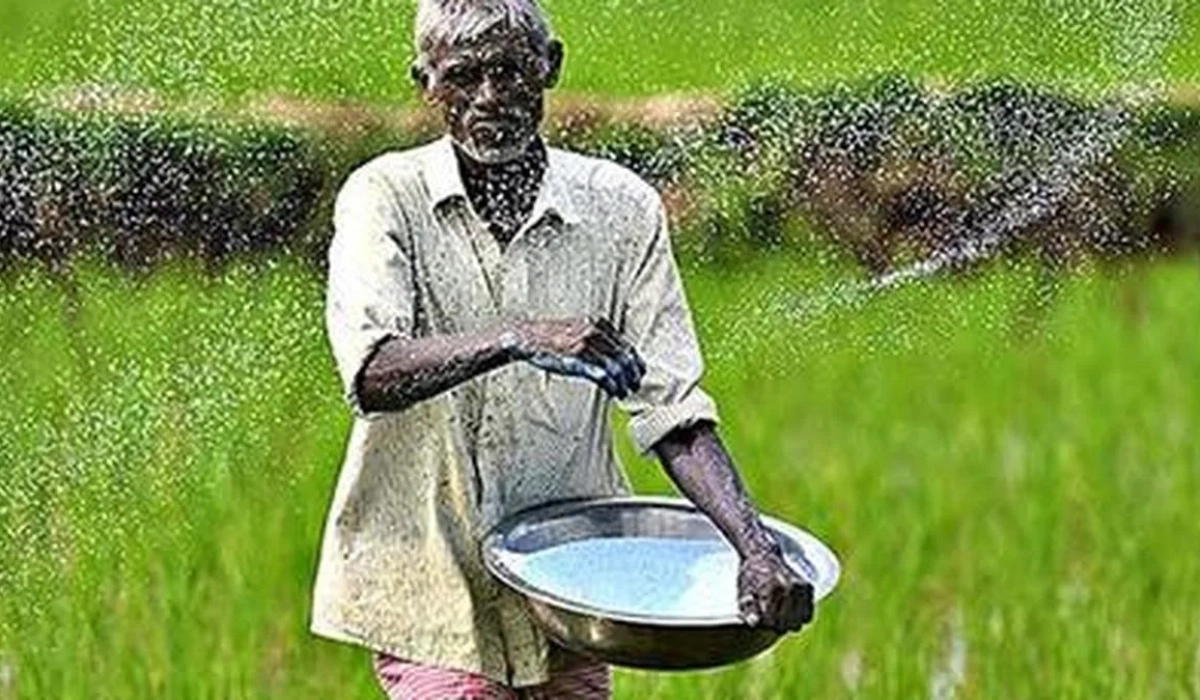
What makes the story especially significant is the way it undercuts the recent narrative around India’s pilot subsidy-control system. In Haryana, subsidised fertilizer sales had been tied to land records and crops sown, and the pilot was credited with reducing urea use by about 1.26 lakh tonnes during the previous rabi season. DAP use also fell by 23,489 tonnes over the relevant comparison period, and the government said the approach had generated estimated subsidy savings of more than ₹700.53 crore.
Officials had also pointed to total savings of nearly 3.4 lakh tonnes in 2025-26 under the pilot, including 1.5 lakh tonnes in rabi and 1.9 lakh tonnes in kharif. The new surge, however, suggests that digitally rationed distribution can break down when farmers fear a broader supply shock. Once buyers believe imports may tighten and phosphate products may become scarce or more expensive, the incentive shifts quickly from controlled use to precautionary stocking.
BusinessLine says the pattern extended beyond Haryana. Even in Gujarat and West Bengal, where urea sales were reported to have dipped marginally, DAP demand surged by 71% and 77% respectively. The Department of Fertilizers had already told a parliamentary committee that the pilot was still in an early phase and would need an independent evaluation before any nationwide rollout could be considered.
The article also cites Fertilizer Secretary Rajat Kumar Mishra, who had previously flagged heavy concentration of purchases in a limited number of districts. The broader lesson is clear: India’s agrochemical system remains highly sensitive to external supply shocks. When a geopolitical event threatens trade corridors or raw-material availability, the market can move rapidly from planned, data-linked distribution into defensive buying. That has implications not only for subsidy costs, but also for how reliably farmers can secure crop nutrition during periods of global stress.