
India may expand urea imports beyond 1.7 million tonnes after tender prices slump
India is considering larger urea purchases after NFL tender bids fell by more than 50 percent, signaling an easing in fertilizer supply stress compared with earlier wartime pricing.
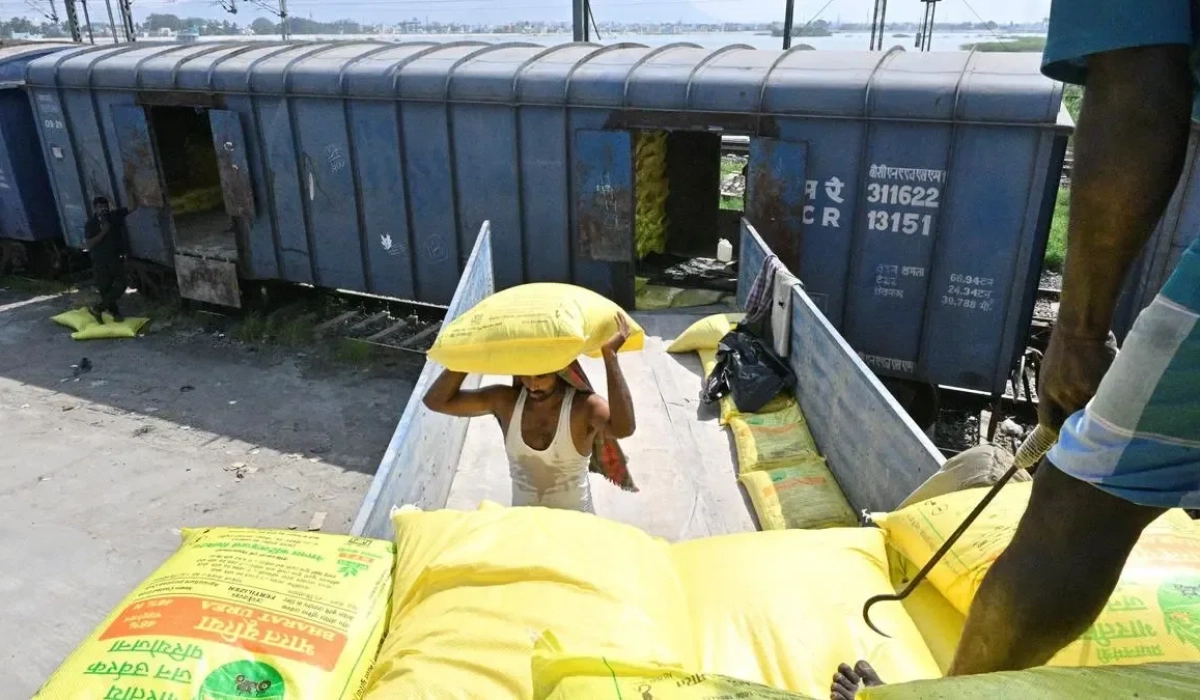
After sharply lower bids in the National Fertilizers Ltd tender that closed on June 8, the Indian government is considering buying more urea than the original 17 lakh tonnes, or about 1.7 million tonnes. BusinessLine reported that the new offers were more than 50 percent below the previous round and had even fallen beneath levels seen before the Iran war pushed fertilizer trade into turmoil.
In the new NFL tender, the lowest west-coast bid came from Ameropa Asia at $449.30 per tonne for 2.34 lakh tonnes. On the east coast, Aditya Birla Global Trading submitted the lowest offer at $444.90 per tonne for 5 lakh tonnes. The original target volumes were 9 lakh tonnes for the west coast and 8 lakh tonnes for the east coast.
The contrast with April was dramatic. In the previous Indian Potash Ltd round, India agreed to import 25 lakh tonnes of urea at $935 per tonne for west-coast supply and $959 per tonne for east-coast supply. Before the conflict involving Iran, a mid-February tender from state-run RCF had received bids of $508 and $512 per tonne, showing how sharply the market had moved in only a few months.
A source cited by the newspaper said the government may allow purchases above the current 17 lakh tonne volume if other suppliers agree to match the L1 rates. The reasoning goes beyond immediate kharif demand: urea sales rose in April and May because of panic buying, so India may want extra material not only for the current monsoon season but also with an eye on the coming rabi period.
Market participants said global FOB urea values were around $450 per tonne on Wednesday, compared with roughly $577 a week earlier. One reason given for the decline was the return of additional exporters, including China. Additional Secretary Aparna S Sharma also said India’s strong stock position and seamless domestic production may have signaled less urgency to sellers. She added that any further kharif imports, estimated at another 10 to 20 lakh tonnes, will depend on domestic output and the monsoon outlook.