
Irish debate over next CAP puts farm subsidies and emissions on the same line
As the EU prepares its 2028-2034 budget cycle, Irish debate is sharpening around whether the next CAP should tie farm support much more directly to emissions cuts and water-quality gains.
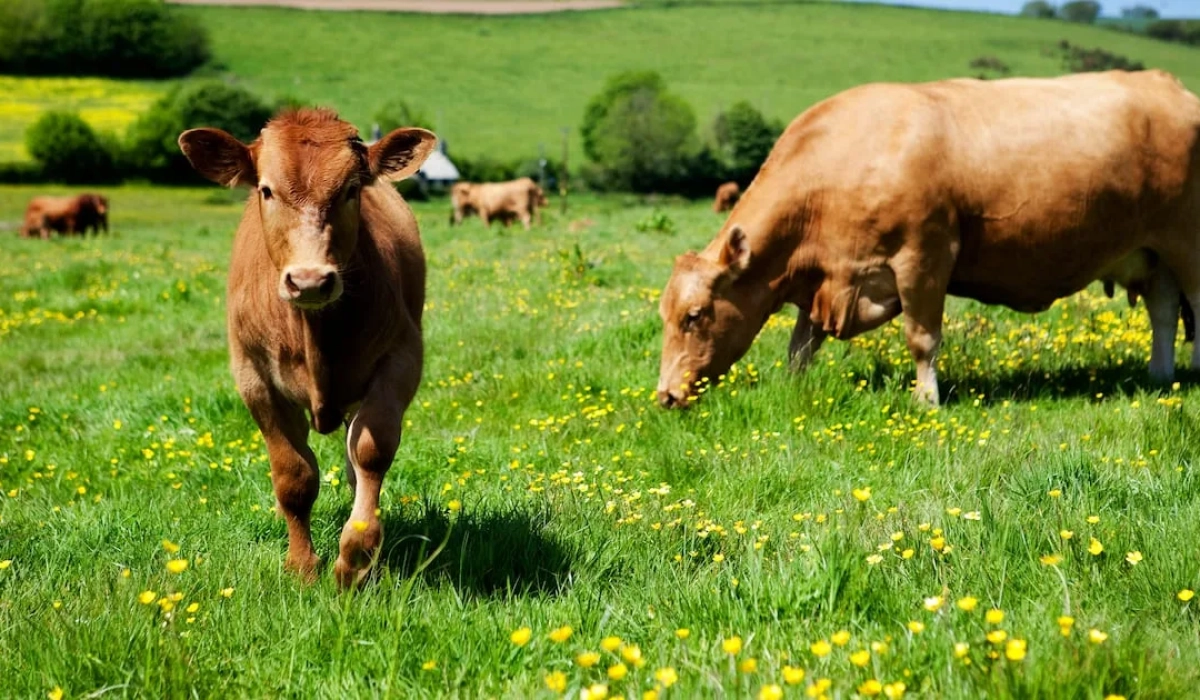
Debate in Ireland over the next Common Agricultural Policy is increasingly turning on one central question: if farmers continue to receive public support, how tightly should that support be linked to environmental performance? In a June 8 Irish Times column, economist John FitzGerald argues that future payments should remain available to farmers but be tied much more clearly to cutting greenhouse-gas emissions, reducing water pollution and improving biodiversity.
FitzGerald sets the discussion in long-term historical context. Before Ireland joined the European Economic Community in 1973, the Irish state itself subsidised farmers at a cost of almost 3% of national income. In 1970, farming represented 12% of the economy and food processing another 3%. Once Ireland joined the EEC, Brussels took over the main subsidy burden through the CAP, which is why the coming EU budget negotiations for 2028-2034 matter so much for Irish agriculture.
The column argues that the economic structure of the country has changed sharply since then. FitzGerald says the agri-food sector now contributes about 3% of the Irish economy, while EU farm subsidies amount to another 0.7% of national income. Yet he does not use that shift to argue against farm support. Instead, he says farmers still matter because they make up around 4% of the workforce and remain custodians of the land, meaning the strongest case for support is now social and environmental rather than macroeconomic.
That framing also shapes his response to recent farm energy-cost protests. FitzGerald argues that Ireland, as a net fuel importer, is made poorer by the oil-price shock linked to the Iran war and cannot shelter every business from that reality. In his view, the state should focus first on vulnerable low-income and rural households, many of which rely on kerosene for heating, rather than broad support for profitable farm businesses that can eventually pass some higher costs through prices.
The climate argument is the real centre of gravity in the piece. Citing the Environmental Protection Agency, FitzGerald says Ireland has made only limited progress in cutting overall emissions in recent years and that farming has seen something close to a standstill. That is why he argues the next CAP must make the relationship between subsidies and measurable emissions reductions far more explicit.
He points to practical measures rather than wholesale upheaval: lower nitrate use, moving away from ryegrass monoculture toward clover-rich swards, and putting more land into forestry. The significance of the article lies not in a new policy announcement, but in the direction of travel it signals. As the next CAP is negotiated, the Irish discussion is making clear that the old case for farm support is no longer enough on its own. Future subsidies are increasingly likely to be judged by what they deliver on climate, water and land stewardship.