
Why an obscure Danish greenhouse experiment with hydroponic wheat could reshape global agriculture
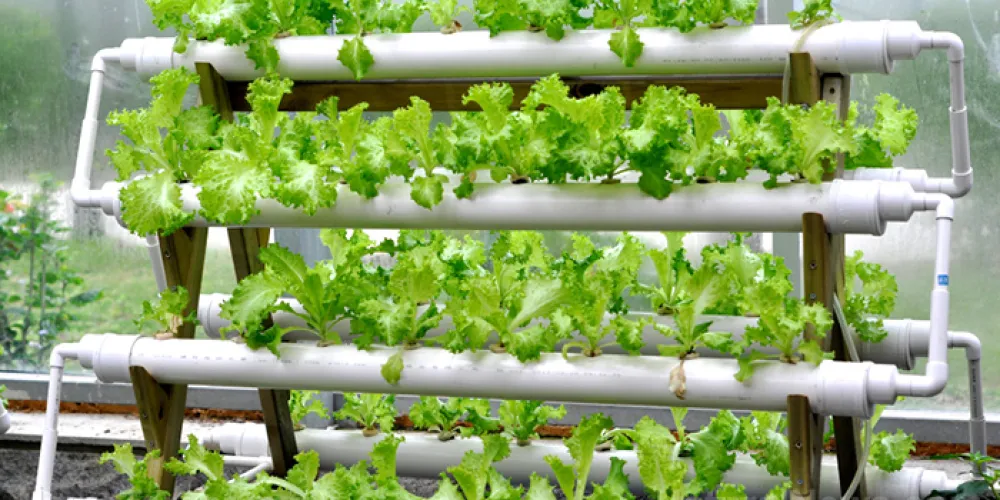
At a research station in Flakkebjerg, Denmark, postdoctoral researcher Purna Kumar Khatri is conducting meticulous experiments with hydroponic wheat. By submerging wheat roots in clear water, Khatri is able to precisely monitor the chemical interactions occurring within the rhizosphere. This routine is part of a broader, high-stakes effort to understand how plants manage nitrogen intake naturally—a discovery that could fundamentally reshape global agricultural practices.
Modern agriculture currently relies heavily on synthetic fertilizers, yet studies show that crops utilize less than half of what is applied. The excess nitrogen leaches into groundwater or escapes into the atmosphere as nitrous oxide, a potent greenhouse gas nearly 300 times more damaging than carbon dioxide. While synthetic nitrification inhibitors have been used as a remedy, they are often expensive, require frequent reapplication, and frequently harm beneficial soil microorganisms in the process.
The solution may lie in benzoxazinoids—naturally occurring compounds found in wheat, rye, and maize. In a study recently published in the journal Plant Physiology and Biochemistry, Dr. Khatri and his colleagues screened 18 of these compounds. They identified seven, including DIBOA and DIMBOA, that significantly suppress the activity of nitrifying microbes. Furthermore, wheat lines incorporating chromosome fragments from wild grass relatives showed up to twice the efficacy in suppressing nitrification.
Biological nitrification inhibition (BNI) works by allowing plants to release these natural compounds gradually and locally, directly where nitrogen loss occurs. This precision is far more efficient than the blunt application of synthetic inhibitors. Because these traits can be introduced into commercial crops through conventional breeding rather than genetic modification, the approach promises a sustainable path forward that avoids many of the unintended side effects associated with industrial chemical inputs.
If these breeding efforts succeed, farmers could potentially see a 20–30% reduction in nitrogen losses, translating to lower input costs and a reduced carbon footprint for global food production. By harnessing the biochemical language of plant roots, researchers in Denmark are providing a blueprint for a future where agriculture is not only more productive but significantly more harmonious with the ecological systems it relies upon.
Not yet comments. Be the first!
Comments · 0