
Australian urea project locks in $2.4 billion of sales before construction
Australian Fertilizer Corporation says it has sold all planned output from its proposed Gladstone urea plant for the next ten years before construction has begun. The project is being framed as a step toward lower import dependence and stronger food security.
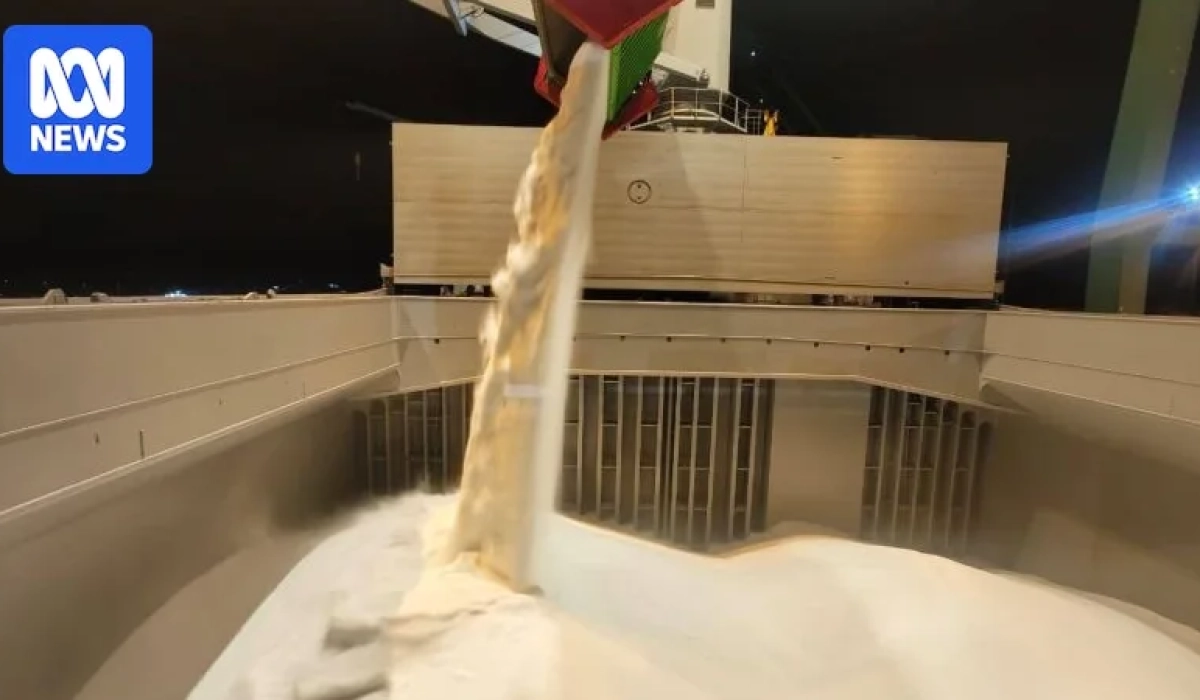
Australian Fertilizer Corporation says it has secured contracts for the full output of its proposed urea plant in Gladstone in central Queensland even though the facility has not yet been built. ABC Rural reported that the sales are worth about $2.4 billion over ten years, based on planned production capacity of 220,000 tonnes of technical-grade urea a year.
Chief executive Stein Haugan said the core product will be urea for AdBlue, the emissions-control additive used in diesel exhaust systems. One contract has been signed with an Australian company for exclusive domestic sales, while a second has been agreed with a major international producer and marketer for overseas markets.
If the plan proceeds, the Gladstone facility would become Australia’s first new urea manufacturing plant since 1969. Demand for AdBlue has been rising as emissions rules tighten, and Australia now requires new cars to meet a standard equivalent to Europe’s Euro 6d, which supports use of the product.
The project also matters for farming because Australia has imported all of its urea since the Gibson Island plant at the Port of Brisbane closed in early 2023. Haugan described the development as an import-replacement project. He said the process would use mining by-products, old tyres, biomass and solid waste rather than natural gas, which could also appeal to businesses seeking carbon-credit opportunities.
National Farmers’ Federation president Hamish McIntyre said the project could strengthen sovereign manufacturing capability and food security, and he hopes it can eventually support more paddock-grade urea supply for farmers. The company is still seeking finance and development approvals, but construction could begin within two years if the plan succeeds, at a time when fertiliser prices remain elevated and farm profits are forecast to fall by up to 70 per cent.