
Australian farm trusts win income carve-out but still face capital-gains pressure
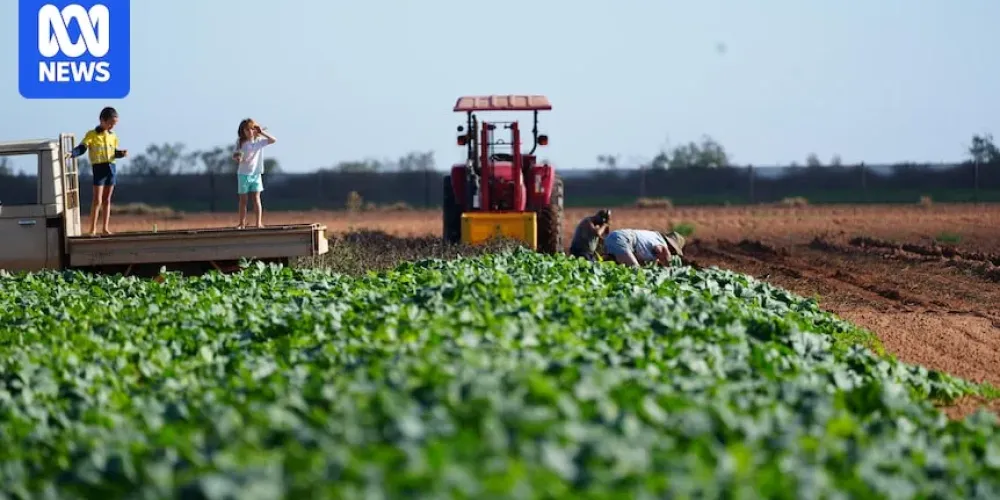
ABC reports that roughly half of all Australian farms are held in family trusts, which is why the federal tax overhaul has become such a sensitive issue for agriculture. For farming families, trusts are not simply vehicles for distributing income. They are also used to protect assets, manage succession and pass farms to the next generation without triggering an immediate and potentially crippling tax event.
After strong objections from the National Farmers Federation, the government exempted primary producer income from the new minimum 30% tax on trust income. The NFF said that carve-out was essential to preserving family-owned agriculture. But the exemption does not solve every problem, because the new framework still affects how farms are sold, how retirement is financed and how non-farming heirs are paid out when ownership changes hands.
The biggest concern now centres on capital gains. ABC says that from 1 July 2027 the existing 50% capital-gains-tax discount for assets held longer than 12 months will be replaced by inflation-adjusted indexation and a minimum 30% tax on capital gains. Owners of pre-1985 assets will need a valuation on 30 June 2027, and gains accrued after that point will become taxable when the asset is eventually sold.
The article cites a worked example from commercial and property lawyer Georgiena Ryan. A 1,000-acre farm bought in 2003 at 500 dollars an acre and now valued at 5,600 dollars an acre would have generated a tax bill of 1,091,138 dollars under the previous system. Under the new regime, she calculates the bill could rise to 2,001,938 dollars, an increase of about 910,800 dollars. Numbers like that explain why succession planning has become such a central concern in the farm sector.
The pressure is wider than land sales alone. Many modern farms now earn income from farm stays, wineries, renewable-energy projects, livestock transport and other related businesses, and that non-core income will fall under the minimum 30% trust tax. At the same time, the 6 million dollar asset threshold for small-business concessions has not been lifted for almost two decades even as farmland values have surged. That combination could delay intergenerational transfer and keep productive assets tied up longer than farming families would prefer.
Not yet comments. Be the first!
Comments · 0