
Australia imports 1 million tonnes of fertiliser after Iran war disrupts supply lines
Australia is fast-tracking urea imports and border procedures after the closure of the Strait of Hormuz threatened winter cropping and food prices.
Australia has imported more than 1 million tonnes of urea since the war in the Middle East disrupted international trade and shook one of the world's main fertiliser shipping corridors. ABC News reports that the conflict involving Iran and the closure of the Strait of Hormuz pushed the country to accelerate deliveries to protect fertiliser availability for the winter crop.
The article notes that, in a normal year, one third of global fertiliser flows through the Strait of Hormuz. That makes the disruption especially serious for Australia because the country is wholly reliant on urea imports to support crop production. Analysis firm Episode 3 estimated Australia's urea imports at about 3.6 million tonnes in 2025, so any prolonged interruption quickly becomes a direct risk to planting plans and future food prices.
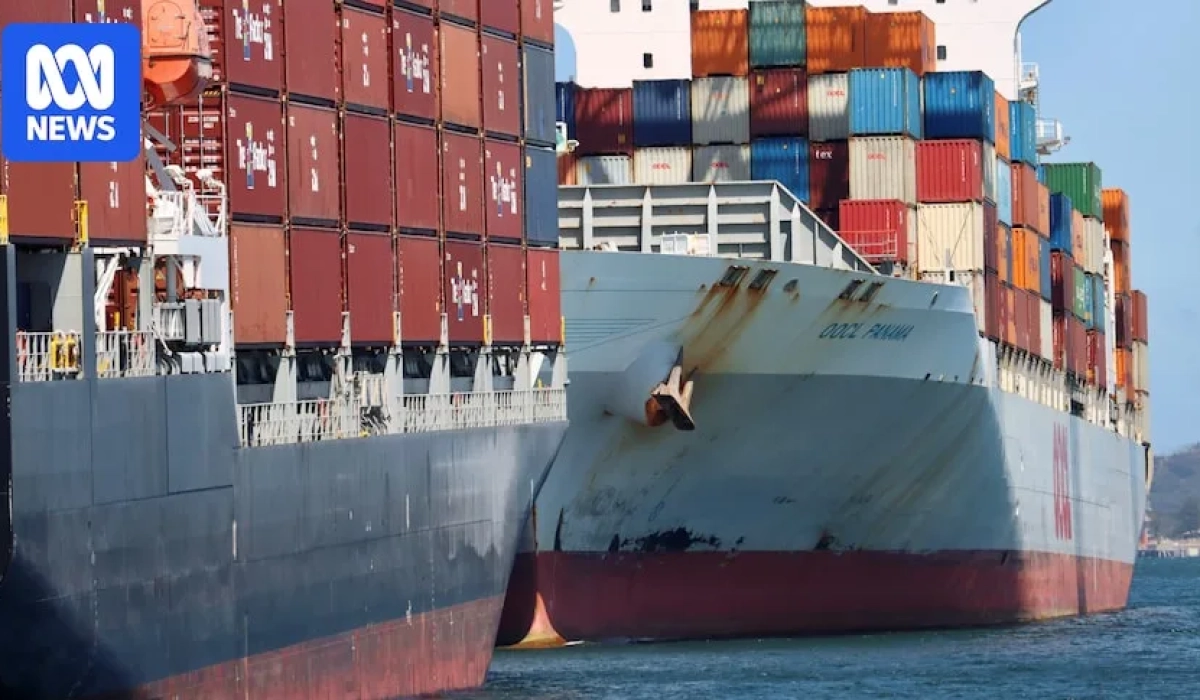
In April, the federal government streamlined biosecurity procedures to speed the entry of fertiliser and other essential imports. The changes include assessments and sampling that can be done before a vessel arrives in port. Agriculture, Fisheries and Forestry Minister Julie Collins said the point was to give Australian farmers more certainty at a time when the war was having global effects and was already being felt across Australian agriculture.
The government has also been careful to say that faster processing does not mean weaker controls. Collins said Australia still has an extremely strong biosecurity system and did not want to send any message that standards had been diluted. Fertilizer Australia backed the approach, saying the industry wanted both rigorous protection for farming ecosystems and timely access to fertiliser for growers.
In the latest federal budget, Australia allocated 7.5 billion dollars to a fuel and fertiliser security facility. On top of the imports already landed, six additional shipments totaling more than 209,000 tonnes of urea have been secured, with the first vessels expected in coming weeks. That matters because urea remains the main nitrogen fertiliser behind high yields in crops such as wheat, barley, oats and vegetables.
A separate political dispute has emerged over the government's underwriting of fertiliser cargoes. Opposition figures argue that two large industry players have received price-risk protection while smaller importers do not have the same access. Even so, the 1 million tonne milestone shows how deeply geopolitical conflict is now shaping farm input supply chains and how quickly governments are having to intervene to keep essential fertiliser moving.