
Australia approves stronger mouse bait as plague damages grain crops
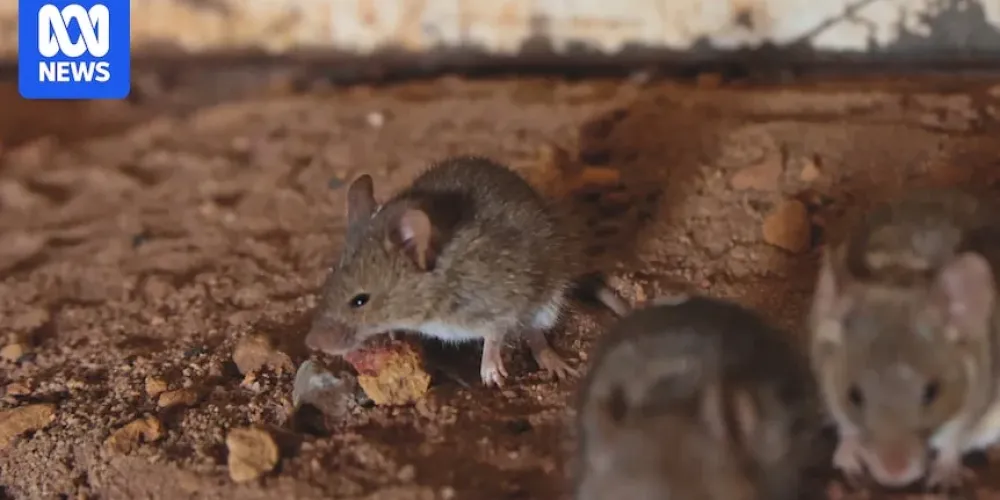
Australia’s chemical regulator has approved emergency access to a stronger mouse bait for grain-growing regions after prolonged pest pressure in Western Australia and South Australia. ABC reported that the Australian Pesticides and Veterinary Medicines Authority has conditionally allowed the manufacture and sale of zinc phosphide bait containing 50 grams per kilogram, known as ZP50. The decision follows months of lobbying from farmers and grain industry groups.
The mouse plague is affecting both farms and surrounding rural towns. Growers say mice are eating planted seed before germination, damaging emerging winter crops and invading sheds and homes, while local residents are losing food stocks and equipment to contamination and chewing damage. Grain farmer Scott Bridgeman from Northampton in Western Australia’s Midwest said access to the stronger bait would help him sleep better because the lower-strength product has not been sufficient against the current population levels.
Rural retailers say demand for traps and bait has become extreme. Ben Lang, manager of Independent Rural Northampton, said his store has been ordering very large volumes of mouse traps and bait products and that residents have already thrown out hundreds of dollars’ worth of food because of infestations. He added that farmers are shooting mice in the hundreds and thousands at night, yet the scale of the problem remains overwhelming.
Earlier CSIRO research estimated there were 8,000 mice per hectare in parts of Western Australia’s northern grain belt. Grain Producers Australia had been pushing for emergency access to stronger bait because the standard 25 grams per kilogram zinc phosphide formulation was not performing well enough under plague conditions. CSIRO research officer Steve Henry said all four published studies on the topic found the 50 g/kg rate to be more effective than the 25 g/kg rate.
Under the national emergency permit, farmers with moderate or high mouse activity identified through a rapid assessment monitoring network linked to the Grains Research and Development Corporation will be able to access ZP50. They will first need training and accreditation before purchase. Grain Producers Australia says the permit conditions are designed to balance urgent farm access with safety, environmental and trade considerations.
The APVMA had previously rejected an application for the stronger formulation, saying the research supplied was not of sufficient regulatory quality. It now says the permit includes specific use instructions and controls intended to reduce exposure to non-target animals and limit environmental risk. CSIRO researchers added that there is currently no indication that the stronger dose increases the risk of secondary poisoning in birds, although that area remains under study.
For grain growers, the permit offers a more forceful control tool at a critical early stage of crop establishment. At the same time, the episode shows how severe rodent pressure can quickly move beyond agronomy into broader economic, logistical and public health stress across farming communities.
Not yet comments. Be the first!
Comments · 0