
Fodder barley is becoming more expensive in the ports: the market is showing signs of growth
Last week, the Ukrainian fodder barley market remained relatively stable — without sharp jumps or collapses. At the same time, farmers are increasingly closely monitoring the price of barley today, because even minor fluctuations can affect the sales strategy.
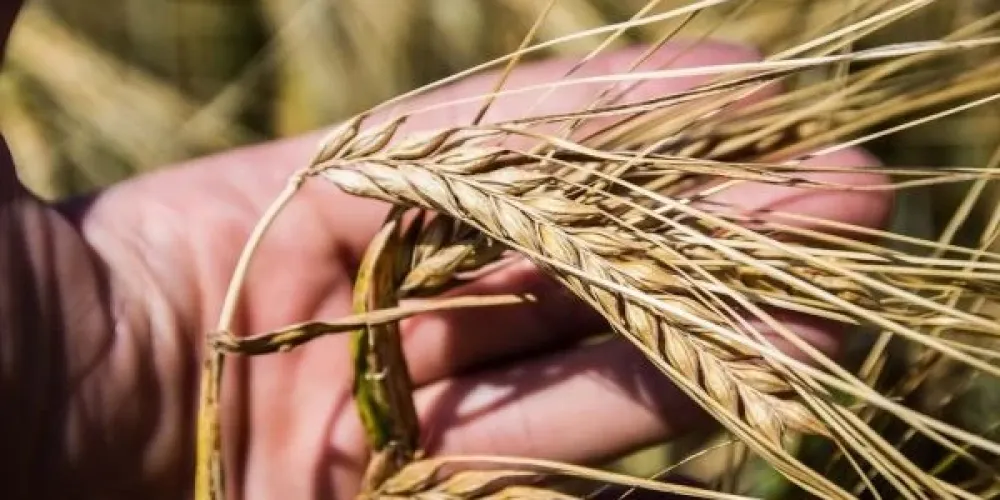
Last week, the Ukrainian fodder barley market remained relatively stable — without sharp jumps or collapses. At the same time, farmers are increasingly monitoring the price of barley today because even minor fluctuations can affect the sales strategy. The market is in a phase of balanced expectation: traders assess export prospects, and producers assess their own balances and the need for working capital.
Demand for grain gradually decreased, which created a restrained mood among sellers. Some companies reduced purchasing activity, focusing on the fulfillment of previously concluded contracts. At the same time, the situation on neighboring markets, in particular the price of corn, also influenced the behavior of buyers. Under the conditions of competition between cultures, traders redistribute the volume of purchases depending on the marginality of exports and logistics costs. That is why even minor support on external platforms can push local prices up.
Individual players continued to actively form batches for shipment, trying to attract additional volumes by raising purchase rates. For farmers who are simultaneously considering the option sell sunflowers for cash price, the choice of crop for sale becomes a matter of liquidity and speed of calculations. Often, the decision is made not only on the basis of stock market quotations, but also taking into account the financial needs of the economy.
In the internal regions, purchase prices for fodder barley were formed in the range of UAH 9,100–10,300/t on the terms of SRT. The highest indicators were traditionally recorded in the southern regions, where active export logistics are concentrated. Proximity to ports and competition between buyers created additional support for the market.
In the seaports of Ukraine, the price situation looked somewhat more optimistic. Purchasing indicators increased to 218-224 USD/t on the terms of CRT, which is partly explained by the revival of demand in foreign markets. The export direction remains the key driver for barley, as domestic consumption is limited by livestock and processing needs.
Analysts note that further dynamics will depend on the pace of shipments, currency fluctuations and the global grain market situation. If export quotations maintain a positive trend, domestic prices may receive an additional boost. At the same time, there is currently no significant supply shortage, so the market is likely to remain in a mode of moderate volatility.
For farmers, this means the need for a flexible approach: part of the harvest should be sold gradually, responding to market signals. Such a strategy allows you to minimize risks and make the most of the opportunities opened by even a stable, at first glance, market.
Editorial team agronom.info
Materials are prepared by the portal's agronomists and editors. We use only trusted sources: Ukrainian agricultural universities, variety registries, open scientific publications.
Related articles

Not yet comments. Be the first!
Comments · 0