
Varicosavirus
Varicosavirus
Description
Symptoms
Symptoms of Varicosavirus infection are often systemic and manifest as significant growth retardation. Stunting and shortened internodes are common indicators, particularly in the early stages of plant development.
Chlorosis, which can be mosaic-like or generalized, is a primary visual symptom. Leaves may appear mottled, twisted, or distorted, resulting in a reduced surface area for photosynthesis and lower overall plant vigor.
In many cases, the root system remains asymptomatic, although its functional capacity to absorb water and nutrients is severely impaired due to the disruption of physiological processes within the root tissues.
In agricultural fields, the infection often appears in patchy distributions. These patches correspond to areas where the fungal vector is most active, leading to localized clusters of stunted or chlorotic plants.
It is crucial to note that symptoms can easily be confused with nutrient deficiencies. Professional laboratory testing, such as ELISA or RT-PCR, is often required to confirm the presence of the virus.
Pathogen
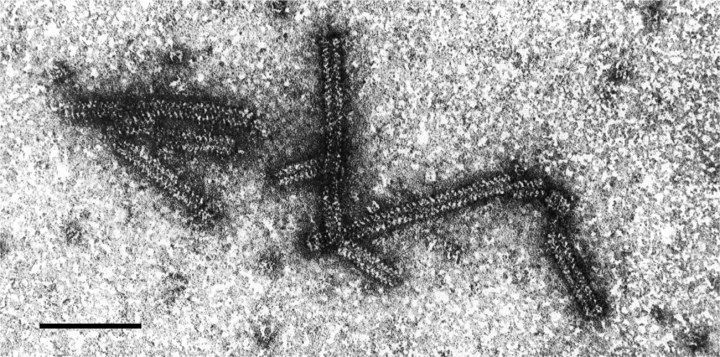
Varicosavirus is a genus of plant viruses characterized by a segmented genome consisting of negative-sense single-stranded RNA. These viruses belong to the family Alphaflexiviridae and possess unique rod-shaped particles.
The defining feature of this genus is its natural transmission mode. Unlike many other plant viruses that rely on insects, Varicosaviruses are primarily transmitted via the soil through the zoospores of chytrid fungi, particularly species of the genus Olpidium.
The virus particles are carried within the motile zoospores. When the zoospores attach to the root hairs of a host plant, the viral genome is injected into the host cells, initiating the infection process.
Biologically, these viruses are highly specialized to both their plant hosts and their fungal vectors. The viral life cycle involves systemic movement through the phloem, eventually affecting the entire vascular system of the host plant.
The ability of the virus to persist within the dormant resting spores of the fungal vector allows it to survive in the soil for several years, making eradication extremely challenging for farmers and growers.
Conditions for development
The development of the disease is highly dependent on the presence of Olpidium fungi in the soil. High soil moisture levels are the most critical factor, as they facilitate the mobility and activity of the zoospores.
Environmental conditions that favor fungal development, such as moderate temperatures and poor soil drainage, also favor the rapid spread of the virus. Water-saturated conditions allow the vector to reach new roots efficiently.
The transmission is particularly efficient in greenhouses where contaminated irrigation water or shared soil substrates allow the virus to spread rapidly from a few initial points of infection to entire crop stands.
Root damage caused by mechanical cultivation or soil-borne pests acts as an entry point for the virus-carrying zoospores. Minimizing root injury is a key preventative measure.
Continuous cropping of the same species in the same soil without rotation allows the fungal vector population to build up, maintaining a high level of viral inoculum year after year.
Why it matters
The economic impact of Varicosavirus is substantial, as it leads to severe yield reductions and poor product quality. Infected plants fail to develop to their full potential, resulting in smaller fruits or lower biomass.
Infection in early growth stages can be devastating, sometimes leading to plant mortality or creating uneven stands that are unsuitable for commercial production. This necessitates costly replanting.
Plants weakened by the virus become significantly more susceptible to secondary infections by soil-borne bacteria and fungi, which can exacerbate the physical symptoms and lead to root decay.
The disease can cause significant financial losses for exporters if quarantine regulations are imposed due to the presence of the virus in the produce or growing medium.
The long-term persistence of the virus in the soil means that affected fields may require years of fallow periods or extensive soil sterilization, imposing high costs on agricultural management.
Protection
The most effective strategy for managing Varicosavirus is strict prevention. This includes the use of virus-free certified seeds and transplants, as well as the sterilization of all growing media.
In closed systems, such as greenhouses, proper filtration of irrigation water is essential. Maintaining optimal soil drainage and avoiding excess moisture helps to limit the movement of zoospores.
Chemical control focuses on managing the fungal vector. Applying fungicides that target chytrid fungi can reduce the incidence of the virus if applied at the correct stage of the crop's development.
Strict sanitation protocols, including the disinfection of tools, equipment, and footwear, are necessary to prevent the mechanical movement of infested soil from one area of the farm to another.
Breeding and utilizing resistant cultivars is the gold standard for long-term control. Developing plants that are resistant to colonization by the fungal vector effectively stops the viral transmission cycle at its source.
Discussion
No discussions yet — be the first.