
Description
Symptoms
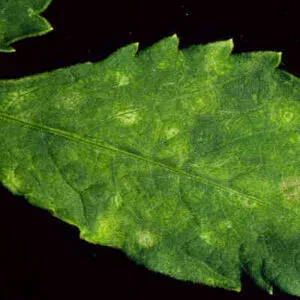
Symptoms typically manifest as chlorotic ring patterns on the leaves, which eventually develop into necrotic spots or rings with dark centers.
Affected leaves often show signs of premature senescence and may drop early, leading to sparse foliage and decreased overall vigor.
Deformation of leaf margins and surface irregularities can occur as the virus interferes with normal tissue expansion and cellular development.
Infected shrubs often exhibit stunted growth, with shorter internodes and a general lack of aesthetic appeal compared to healthy specimens.
Visual diagnostic signs can sometimes mimic nutrient deficiencies or fungal leaf spots, necessitating specific laboratory diagnostic tests for confirmation.
Pathogen
The causative agent is the Rhododendron necrotic ringspot virus (RNRSV), a plant virus known to affect various species and hybrids of the genus Rhododendron.
The virus acts as an obligate parasite, infecting the host's cells and hijacking their machinery to produce new viral particles, causing systemic infection.
As a systemic pathogen, it spreads through the vascular system of the plant, moving from infected tissues to new growth and roots.
Rhododendron necrotic ringspot virus is primarily transmitted through the use of contaminated pruning tools, grafting, and propagation of infected stock.
Biological persistence of the virus allows it to remain viable within the host tissue throughout the plant's life cycle, complicating containment efforts.
Conditions for development
The primary driver for the spread of this virus in landscape settings is the movement of infected but asymptomatic propagation material.
Environmental conditions that favor active sap flow facilitate the movement of viral particles via mechanical wounding caused by pruning shears or knives.
High planting density in nurseries increases the likelihood of virus transfer between adjacent plants if primary infection sources are present.
While the virus is not known to be soil-borne, infected root debris can harbor the pathogen, making hygiene in planting beds essential.
Climate factors such as mild, humid weather that encourages gardening activity also coincide with periods when tools are most likely to transmit the virus.
Why it matters
The primary impact of RNRSV is the significant loss of ornamental value, rendering affected shrubs unsuitable for high-end landscape designs.
Long-term harm includes the systemic decline of the plant, which becomes increasingly susceptible to environmental stress and secondary pathogen infections.
Economic damage to the nursery industry is substantial, as infected batches must be destroyed to prevent further spread within the facility.
The virus creates a permanent reservoir of infection in the garden, which may jeopardize the success of new rhododendron plantings for many years.
Because no curative treatments exist for this viral infection, the economic burden of replacement and management falls heavily on the grower.
Protection
Prevention is the cornerstone of management, relying heavily on the procurement of certified virus-free nursery stock from reputable sources.
Strict sanitation protocols must be enforced, including the thorough sterilization of all cutting equipment between plants using a 10% bleach solution or alcohol.
Early identification and immediate roguing of symptomatic plants are critical to prevent the spread of the virus to healthy individuals in the vicinity.
Integrated pest management should be employed to control potential insect vectors, even though mechanical transmission is the primary concern.
Maintaining optimal soil conditions and irrigation levels supports overall plant health, although it does not provide immunity against viral infection.
Pathogens and affected parts
Affects crops · 1
Discussion
No discussions yet — be the first.