
Tomato mosaic Tobamovirus tomatotessellati
Tobamovirus tomatotessellati
Description
Symptoms
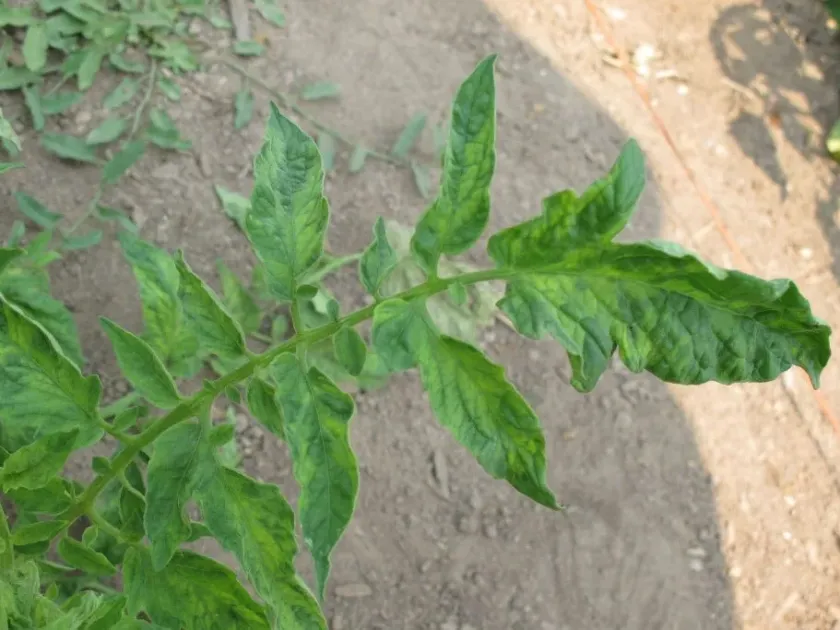
The hallmark of this disease is the appearance of a mosaic-like pattern on the leaves, characterized by alternating light and dark green patches known as tessellation.
Infected plants typically exhibit stunted growth and significant deformation of leaf structures. In advanced stages, leaves may become narrow or thread-like, severely impacting photosynthesis.
Tomato fruits show uneven ripening and surface mottling. They often appear deformed and may have necrotic spots, making them unmarketable and prone to early decay.
The root system of affected plants is generally underdeveloped, leading to a weak overall plant architecture and increased sensitivity to environmental stresses.
Systemic infection often reaches the growing tips of the plant, causing the apical meristem to stop developing and significantly reducing the overall yield potential.
Pathogen
The causative agent of this disease is the Tobamovirus tomatotessellati, a member of the Tobamovirus genus. It is a highly stable virus capable of surviving in plant debris and on contaminated surfaces.
The virus primarily affects Solanaceous crops, with tomatoes being the most significant host. In natural environments, it can persist in both cultivated plants and certain weed species.
Transmission occurs primarily through mechanical means: contact between healthy and infected plants, handling by workers, or the use of contaminated agricultural tools and equipment.
Unlike many other plant viruses, it lacks insect vectors. Human activity remains the primary driver of its dissemination throughout greenhouses and fields.
The virus is also seed-borne, meaning that if infected seeds are used, the disease can be introduced into a new production area from the very beginning of the season.
Conditions for development
Optimal conditions for viral development include the moderate to high temperatures typically maintained in greenhouse environments, which favor viral replication.
High planting density increases the likelihood of mechanical contact, accelerating the spread of the virus during routine practices such as pruning, thinning, or harvesting.
High humidity and poor sanitation practices allow viral particles to persist on greenhouse structures, pots, and irrigation equipment for extended periods.
The absence of proper crop rotation cycles encourages the accumulation of the virus in the soil, which can act as an inoculum reservoir for subsequent plantings.
Environmental stress, such as water deficit or extreme temperature fluctuations, lowers the plant's natural resistance, making it much easier for the virus to establish a systemic infection.
Why it matters
Tobamovirus tomatotessellati is a serious threat to both large-scale commercial operations and greenhouse tomato production due to its ease of transmission.
The primary economic impact stems from significant yield loss, as infected plants cannot sustain the metabolic demands of fruit production, resulting in fewer and smaller tomatoes.
The quality of harvested fruit is compromised by skin discoloration and structural defects, rendering them unfit for retail or premium market channels.
Outbreaks can lead to total crop failure within a greenhouse sector if containment measures are not implemented promptly to isolate infected areas.
Due to the virus's persistence, once an area is infested, expensive sanitation or crop rotation strategies are required to recover the production capacity of the site.
Protection
The cornerstone of management is strict hygiene. Workers must sanitize tools, hands, and equipment thoroughly between rows or after handling suspected infected plants.
The use of certified virus-free seed is the most critical preventative measure to ensure that a production cycle does not begin with an infected plant population.
Early identification and removal of symptomatic plants, along with their surrounding soil, are essential to halt the spread of the virus to healthy neighboring plants.
Creating a buffer zone between nurseries and production greenhouses helps protect young plants during their most vulnerable stage of growth.
- Selection of resistant or tolerant tomato hybrids.
- Strict adherence to personal hygiene protocols for all greenhouse staff.
- Regular disinfection of all tools and harvesting containers.
- Aggressive management of potential weed hosts around the site.
Discussion
No discussions yet — be the first.