
Yam mosaic virus
Potyvirus yamtesselati
Description
Symptoms
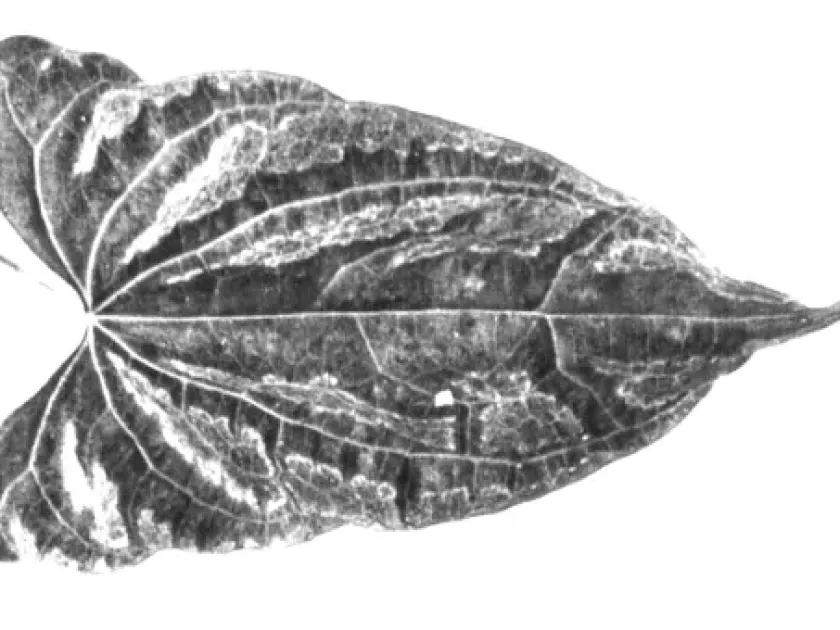
The hallmark of the disease is the development of a chlorotic mosaic pattern on the foliage. Leaves exhibit characteristic patches of alternating light green and dark green tissue, which can progress to yellowing.
Visible deformation of leaf laminae is common, including leaf curling, ruffling, and significant reduction in leaf size. These morphological changes are indicators of a severe systemic infection within the plant.
Stunted growth is a pervasive symptom; infected yam plants are typically shorter and less vigorous than their healthy counterparts. The stems often appear thin and weak, contributing to an overall spindly appearance.
In advanced stages, leaves may show premature senescence, turning yellow and dropping off the vine. In some varieties, necrotic lesions may develop on the stems or leaf veins, signaling localized tissue death.
Tuber formation is drastically impacted by the virus. Harvested tubers are frequently deformed, smaller in size, and suffer from reduced quality. This loss of aesthetic and nutritional value makes them less marketable and less viable for consumption.
Pathogen
The causative agent of the disease is the Potyvirus yamtesselati, belonging to the genus Potyvirus and the family Potyviridae. This pathogen is a positive-sense single-stranded RNA virus that demonstrates specific host-pathogen interactions with Dioscorea species.
The infection is classified as a systemic disease that affects the entire physiology of the yam plant. It is primarily transmitted in a non-persistent manner by aphid vectors, which acquire the virus while feeding and quickly transmit it to healthy tissues.
The viral replication cycle is closely linked to the host's metabolism, as the virus hijacks cellular machinery to produce its proteins and replicate its genome. This biological interference results in disrupted hormonal signaling and developmental defects.
Transmission of the virus through infected seed tubers is a significant factor in its dissemination. When vegetative propagation is performed using material from diseased plants, the viral progeny is perpetuated in the new crop.
The virus exhibits remarkable stability in plant residues and tubers, allowing it to survive periods when no active host growth is occurring. This persistence makes eradicating the pathogen from a farm environment particularly challenging.
Conditions for development
The spread of the disease is highly correlated with the activity of aphid populations. Warm, humid conditions favor the reproduction of these vectors, facilitating rapid movement of the virus across the plantation.
Short crop rotation cycles or continuous monoculture of yam provides an ideal environment for the buildup of viral pressure. The constant availability of susceptible hosts ensures the virus remains active and problematic.
The use of infected tubers as planting material is the most efficient pathway for virus spread. Because the virus is systemic, every part of the tuber carries the pathogen, leading to uniform infection in the following season.
Weedy fields act as reservoirs for both the virus and its aphid vectors. Various weed species can host the virus in a latent form, acting as a bridge for infection during the off-season or after harvest.
Human activities, including field maintenance, can inadvertently spread the virus. If pruning tools or equipment are not properly disinfected after contacting infected plants, they can easily transfer the virus to healthy ones.
Why it matters
The primary damage caused by Yam mosaic virus is a massive reduction in marketable tuber yield. Farmers often report yield losses ranging from 30 to 70 percent when infection levels are high in a field.
The nutritional quality of the yam tubers is degraded due to the viral impact on the plant's metabolic pathways. This results in tubers that are less dense, potentially affecting starch content and texture.
Infected plants exhibit reduced resilience, making them significantly more susceptible to secondary attacks by fungi, bacteria, and other environmental stressors. This synergy often leads to total crop failure.
The inability to use home-saved seeds is a major economic blow to smallholder farmers. The cycle of needing to purchase new, certified disease-free tubers every season increases production costs significantly.
Viral mosaic infection represents a major barrier to international trade. Strict phytosanitary regulations restrict the movement of yam materials, limiting the market access for growers in endemic regions.
Protection
The cornerstone of management is the use of virus-free planting material. Implementing tissue culture and meristem-tip culture techniques allows for the production of healthy, virus-indexed seed tubers.
Strict field sanitation is essential. Regular monitoring of the crop to identify and rogue (remove) infected plants immediately helps to contain the spread within the field and to neighboring areas.
Integrated Pest Management (IPM) strategies, specifically targeting aphid populations with appropriate insecticides or biological controls, are necessary to break the transmission cycle during the peak growth period.
Maintaining a clean field environment by removing weeds and ensuring adequate spatial isolation from older, potentially infected yam patches can significantly reduce primary infection events.
Long-term resistance breeding programs are vital for sustainable yam production. Developing cultivars that can withstand Potyvirus yamtesselati infection is the most effective way to secure future harvests.
Discussion
No discussions yet — be the first.