
Yam mosaic virus
Potyvirus yamplacidum
Description
Symptoms
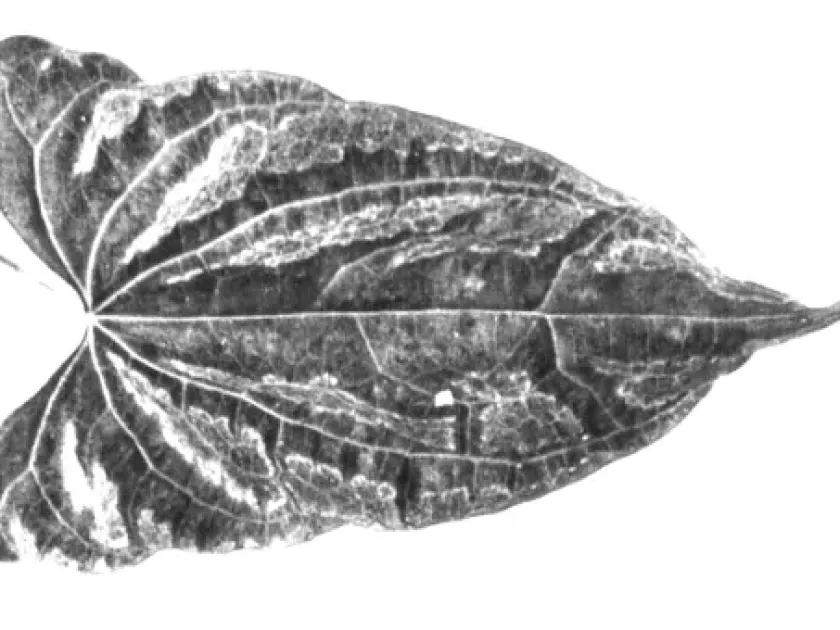
The most classic symptom of YMV infection is a mosaic pattern on the leaves, characterized by alternating patches of light green and dark green leaf tissue.
Leaf deformation is frequently observed, where the foliage may become stunted, curled, or misshapen, indicating a severe disruption of normal physiological development.
Infected plants often display reduced vigor and stunted growth compared to healthy ones, with significantly fewer or weaker vines being produced throughout the growing season.
Chlorotic spots and necrotic rings may appear on leaves, particularly in severe cases, which may eventually lead to premature senescence and leaf loss.
While tubers might look relatively normal on the outside, internal tissue quality and overall tuber weight often suffer, directly affecting the commercial value of the harvest.
Pathogen
The causative agent of the disease is the Yam mosaic virus (YMV), which is classified under the genus Potyvirus. It is a single-stranded RNA virus specifically infecting plants of the Dioscorea genus.
This is a systemic disease where the virus infiltrates the plant's vascular system, impacting all vegetative parts. Its ability to reside in tubers makes it a highly persistent pathogen.
Transmission occurs primarily through aphid vectors in a non-persistent manner. Insects acquire the virus by feeding on infected leaves and transmit it immediately upon contacting healthy tissue.
Mechanical transmission is another significant pathway, often occurring during agricultural operations such as pruning, weeding, or harvesting when tools are shared between plants.
The virus cycle is deeply tied to the propagation material; using infected tubers for planting ensures that the next generation of crops will carry the infection from the start.
Conditions for development
Disease spread is highly dependent on the population dynamics of aphid vectors; peak insect activity usually correlates with increased incidence of the viral disease in the field.
High planting densities create an ideal environment for the virus to spread, as the proximity of leaves allows aphids to move from plant to plant with minimal effort.
The presence of alternative weed hosts acts as a virus reservoir, allowing YMV to survive during off-seasons and re-infect new yam crops when planting commences.
Environmental stress, such as drought or nutrient imbalances, exacerbates the visible symptoms and increases the plant's susceptibility to the systemic spread of the virus.
Poor agricultural practices, such as failing to screen planting material or neglecting to clean equipment between fields, significantly contribute to the persistent accumulation of the virus.
Why it matters
The primary damage caused by YMV is a substantial reduction in tuber yield, which results in direct financial losses for farmers reliant on high-quality yam production.
Over time, the virus causes the degeneration of cultivars, meaning the plant vigor declines steadily with each season, forcing farmers to replace their stock more frequently.
Plants weakened by the virus are more susceptible to secondary fungal or bacterial pathogens, which can lead to tuber rot during storage and further decrease total marketability.
Nutritional and culinary quality is compromised, as the virus interferes with carbohydrate storage and starch accumulation, leading to less desirable characteristics for consumers.
Severe infestations can lead to widespread crop loss, causing significant gaps in the field that reduce overall efficiency and increase the cost of maintaining the plantation.
Protection
The most effective strategy is the use of certified virus-free tubers, which are produced through tissue culture techniques to ensure they start disease-free in the field.
Strict phytosanitary protocols, including regular field inspections and the immediate roguing of any plants showing mosaic symptoms, are essential to limit viral spread.
Managing aphid populations through integrated pest management (IPM) practices can reduce the rate of virus transmission within the plantation during the early stages of crop growth.
Implementing effective spatial isolation between new yam fields and older, potentially infected sites helps to shield young plants from early season vector-borne infection.
Cleaning and disinfecting farm tools with appropriate agents between individual plant treatments is a necessary precaution to prevent mechanical transmission of viral particles.
Discussion
No discussions yet — be the first.