
Tobacco vein-mottling virus
Potyvirus nicotianavenamaculae
Description
Symptoms
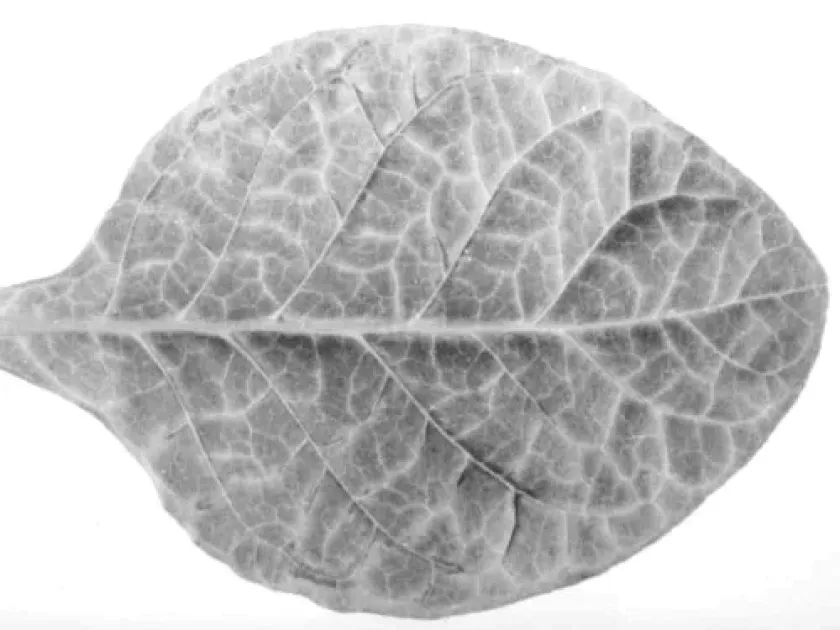
Initial symptoms are characterized by vein clearing, where the leaf veins appear lighter than the surrounding tissue. This chlorosis often evolves into a distinct mottling or mosaic pattern on the leaf lamina.
As the disease progresses, the leaves often display deformation, leaf curling, or a wavy appearance at the margins. The intensity of symptoms usually correlates with the age of the leaf and the severity of the infection.
Stunting is a frequent observation in infected tobacco plants, leading to a reduced overall size and abnormal development compared to healthy controls. This reduced growth impacts the leaf yield per plant.
Necrotic spots may eventually develop on infected leaves, signaling severe cellular damage and localized tissue death. These symptoms significantly diminish the visual and chemical quality of the tobacco leaf.
Symptoms are most clearly visible on younger, rapidly developing leaves. While older leaves might exhibit less obvious signs, the systemic nature of the virus ensures that the entire plant is compromised by the infection.
Pathogen
The Tobacco vein-mottling virus (TVMV) is a viral pathogen belonging to the Potyvirus genus. These viruses are characterized by flexuous, filamentous particles containing a single-stranded RNA genome that disrupts plant metabolism.
This virus has a host range primarily limited to members of the Solanaceae family, including tobacco and various weeds. It causes systemic infection, meaning the virus moves throughout the entire plant system via the phloem.
The primary transmission method in field conditions is non-persistent transmission by aphid vectors. The virus is acquired by aphids during short probing feeding bouts and quickly transmitted to healthy host plants.
Mechanical transmission also plays a significant role in the dissemination of TVMV. Handling infected plants and then healthy ones with farm equipment or during manual field tasks can easily spread the pathogen across a field.
The virus persists in reservoir hosts, including perennial weeds found near tobacco fields. These reservoirs serve as the primary inoculum source when the growing season begins, facilitating rapid viral spread.
Conditions for development
Disease spread is highly dependent on aphid population dynamics. Warm, dry weather conditions stimulate aphid activity and migration, which directly correlates with an increase in virus transmission rates.
Temperatures ranging from 20°C to 28°C create an ideal environment for viral replication within the plant cells. Faster replication cycles result in a quicker appearance of symptoms and more intense disease pressure.
High plant density increases the efficiency of virus transmission, as aphids can easily move from one host to another within a short distance. Crowded fields create a favorable microclimate for both pests and disease.
The proximity of weed reservoirs, such as nightshades, is a major factor in the early onset of the disease. If these weeds are present in field margins, the risk of early-season infection increases significantly.
Environmental stress factors, such as drought or nutritional imbalances, can weaken the plant's natural defense mechanisms. Stressed plants are generally more susceptible to viral infections and show more pronounced symptoms.
Why it matters
The primary economic impact is the degradation of leaf quality, which renders the harvest unsuitable for processing. Discoloration, textural defects, and mosaic patterns make the leaves unacceptable for standard industry use.
Significant yield loss occurs due to reduced plant vigor, stunted growth, and lower total biomass production. This translates directly into lower revenue for farmers relying on high-grade tobacco production.
TVMV-infected plants exhibit increased susceptibility to other pathogens, including various fungal and bacterial wilts. This synergistic effect often leads to more severe crop losses than the virus alone.
The presence of the virus in a field often requires strict quarantine or destruction of affected plants to prevent further spread. This labor-intensive management adds to the total cost of production.
In regions where this virus is prevalent, its presence can limit the feasibility of growing specific high-quality tobacco varieties, forcing producers to switch to less profitable alternatives.
Protection
The cornerstone of management is the use of healthy, certified transplants. Providing a virus-free start in nurseries significantly reduces the initial disease pressure in the field.
Controlling aphid vectors through the timely application of systemic insecticides is essential. Reducing the population of insects effectively interrupts the non-persistent transmission cycle of the virus.
Maintaining spatial isolation from existing infections and managing weed reservoirs around fields are critical preventative steps. Keep field edges clear of host weeds to minimize the primary inoculum.
Cultural practices should emphasize sanitation, including the thorough removal and destruction of crop residues after harvest. This eliminates potential sites where the virus might survive through the winter.
- Utilizing resistant or tolerant tobacco cultivars.
- Sanitizing farm tools and machinery to prevent mechanical transmission.
- Implementing integrated pest management (IPM) for aphids.
- Monitoring fields regularly for early symptoms and roguing affected plants.
Discussion
No discussions yet — be the first.