
Beet mosaic
Potyvirus betaci
Description
Symptoms
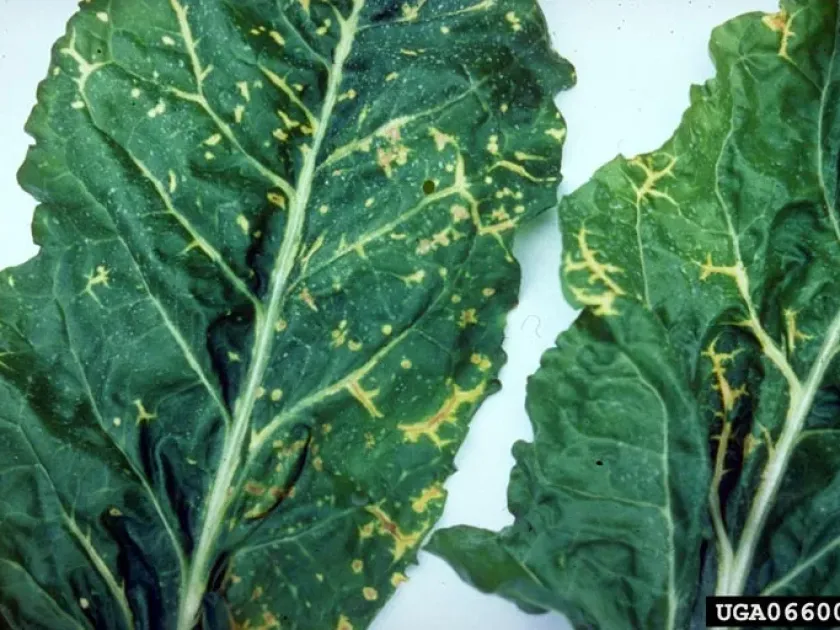
The disease is characterized by a distinctive light and dark green mosaic pattern on the leaf blades, which is the most prominent visual symptom.
Affected leaves often exhibit vein clearing and are frequently malformed, showing signs of crinkling or curling as the plant continues to develop.
The overall growth of infected plants is noticeably stunted, resulting in smaller rosettes and reduced leaf canopy compared to healthy plants.
In advanced stages, the foliage may show chlorosis and general necrosis, significantly reducing the plant's capacity for photosynthesis.
- Mosaic mottling on leaves.
- Leaf deformation and crinkling.
- Stunted plant growth.
- Chlorotic vein patterns.
Pathogen
The causative agent is the Beet mosaic virus, a member of the Potyvirus genus, which is known for its ability to cause severe systemic infections.
This virus is a pathogen that specifically attacks the vascular system of the beet plant, hindering the transport of vital nutrients throughout the tissues.
Aphids are the primary vectors for this virus, transmitting it from infected host plants to healthy ones during their feeding process.
The pathogen is highly contagious and can be spread over significant distances by wind-borne insects, complicating the management of the disease.
The virus survives in perennial hosts and volunteer plants, serving as a reservoir for infection that persists across different growing seasons.
Conditions for development
The development of the disease is highly correlated with the presence and activity of aphids during the critical early stages of beet growth.
Dry and warm weather patterns facilitate faster insect multiplication and increased flight activity, leading to rapid spread of the virus.
High population densities of the host plant in neighboring fields can exacerbate the spread of the virus if proper sanitation is not maintained.
Poor agricultural hygiene, including the presence of infected weeds like Chenopodium species, creates a habitat for vectors to thrive.
Early-season temperature fluctuations can weaken young plants, making them more susceptible to viral transmission by feeding aphids.
Why it matters
The primary harm is the reduction in root weight and the significant decline in sucrose content, which is detrimental for sugar production.
Infection leads to lower harvest yields and reduced quality of raw materials, which affects the profitability of the agricultural enterprise.
The damage caused by the virus affects the long-term storability of the root crops, making them more prone to secondary rot infections.
The physiological stress caused by the mosaic virus limits the overall plant vigor and reduces its resilience to environmental stresses.
Farmers face economic losses due to the need for costly pesticide interventions and the reduction in the total marketable crop volume.
Protection
Integrated pest management focusing on the control of aphid populations is the most effective approach to minimize the spread of the disease.
Sanitation practices such as removing wild weed hosts surrounding the fields help in lowering the overall viral pressure in the environment.
Planting resistant or tolerant cultivars is a strategic decision that provides long-term stability and protection against the virus.
Maintaining proper spatial isolation between new beet fields and older, potentially infected crops is crucial for preventing cross-contamination.
Regular scouting and early detection of infected plants allow for timely targeted actions to prevent the localized spread of the disease.
Discussion
No discussions yet — be the first.