
Potato spindle tuber viroid
Pospiviroid apicimpeditum
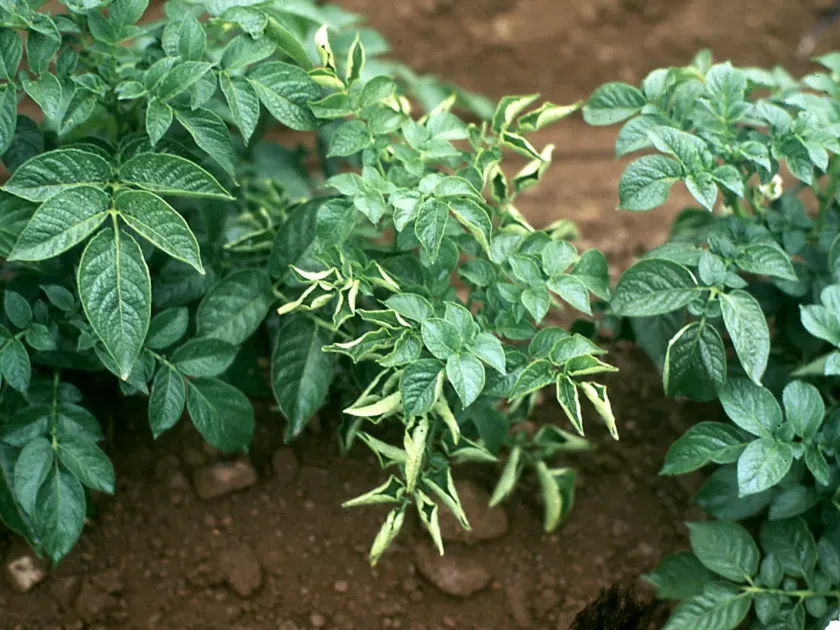
Description
Symptoms
Symptoms are often variable and depend on the potato variety, environmental conditions, and the specific strain of the viroid. In moderate temperatures, the classic signs are most visible.
Affected plants exhibit a distinct upright, spindly growth habit. The upper leaves tend to be smaller than usual, with a characteristic yellowish or pale green chlorosis, often accompanied by a reduction in the leaf angle.
Flowers may exhibit abnormalities, and the overall plant architecture often appears stunted or cramped. In advanced stages, the entire plant canopy may show signs of premature senescence and wilting.
Tuber symptoms are the most diagnostic feature. Tubers become elongated, spindle-shaped, and often develop prominent eyes or growth cracks. The skin of affected tubers can appear coarser and darker than that of healthy ones.
It is important to note that many cultivars are tolerant, meaning they harbor the viroid without expressing severe symptoms. Such latent infections are the most significant challenge in field disease management.
Pathogen
The causative agent is Pospiviroid apicimpeditum (commonly known as PSTVd), a member of the Pospiviroidae family. It is a highly contagious pathogenic RNA molecule that lacks the protein capsid typical of conventional viruses.
The viroid replicates within the host cell's nucleus, utilizing the plant's own enzymes. Because of its small size and circular structure, it is exceptionally stable and can survive on tools, clothing, and machinery for extended periods.
Primary transmission occurs through infected seed tubers, which serve as the main reservoir for the pathogen. In many cases, infected tubers show no clear signs of the disease, allowing the viroid to spread silently through generations.
Secondary transmission is primarily mechanical. Contact between healthy and infected leaves, as well as the use of unsterilized pruning shears or cutting tools, facilitates the rapid movement of the viroid throughout a field.
The pathogen interferes with the plant’s genetic expression, specifically targeting growth-regulating genes. This molecular manipulation leads to the physiological collapse of the plant's productivity and overall health.
Why it matters
The economic impact of PSTVd is substantial, primarily due to the severe loss in total marketable yield. Tubers become unmarketable due to their deformed shape and reduced size.
Nutritional and processing quality is compromised. Infected potatoes show lower starch content and impaired dry matter accumulation, rendering them unsuitable for high-quality food processing such as crisp or fry production.
The pathogen causes an overall reduction in plant vigor, making the crop more susceptible to environmental stressors and secondary bacterial infections. This leads to reduced longevity of the plant stand.
Stringent quarantine regulations worldwide restrict the movement of seed potatoes from areas where this viroid is present. This significantly limits the market reach and increases costs for affected producers.
Cumulative degeneration of the potato stock is a major issue. Over time, the viroid increases in concentration within the tuber tissues, leading to total loss of varietal characteristics and financial insolvency for the agricultural enterprise.
Protection
The primary control strategy is the use of certified, viroid-free seed potatoes. Testing parent stocks using RT-PCR (Reverse Transcription Polymerase Chain Reaction) is the gold standard for certification programs.
Strict sanitation protocols are essential to prevent mechanical transmission. All agricultural tools, blades, and farm machinery must be disinfected using appropriate chemical agents like bleach or potassium permanganate after contact with plant material.
- Regular inspection and rogueing (removal) of symptomatic plants.
- Establishment of strict quarantine zones for infected fields.
- Avoiding the recycling of potato stocks from fields with suspected infection.
- Maintaining clean soil and controlling volunteer potato plants.
Training farm staff to recognize early symptoms and strictly following hygiene protocols during harvesting and planting are critical steps in maintaining a healthy and profitable potato crop.
Ongoing investment in research for resistant or tolerant cultivars remains a high priority for international potato pathology organizations to mitigate the long-term impact of PSTVd outbreaks.
Discussion
No discussions yet — be the first.