
Sugarcane mosaic virus
Poacevirus sacchari
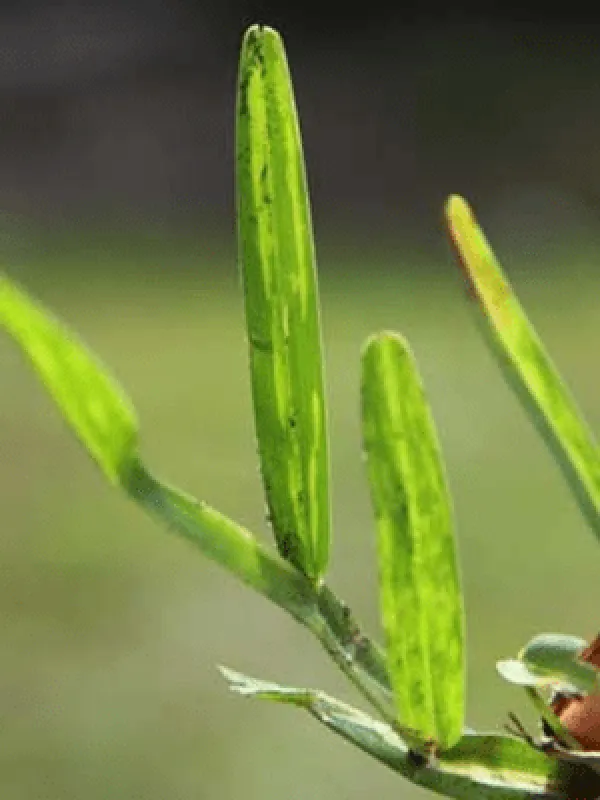
Description
Symptoms
Symptoms are typified by the appearance of chlorotic spots, pale stripes, or a mosaic-like pattern on leaves, typically running parallel to the leaf veins.
As the disease progresses, leaves may exhibit curling, distortion, and a general reduction in size, significantly impacting the plant's overall development.
Infected crops like maize and sugarcane often show stunted growth, appear pale, and suffer from reduced vigor, with severe infections leading to deformed ears or stalks.
Early-stage infections are often difficult to detect because symptoms can be mild or masked, making regular scouting and field monitoring essential for early intervention.
Chronic infection results in a dwarf-like appearance, where the plant's metabolic capacity is diminished, preventing it from reaching its full potential yield.
Pathogen
Sugarcane mosaic virus (SCMV) is a member of the Poacevirus genus within the Potyviridae family. It is a single-stranded RNA virus that primarily infects species within the Poaceae family.
The virus is characterized by significant genetic variability, leading to the emergence of multiple strains that can overcome resistance in various commercial plant varieties.
The primary reservoir for the virus consists of perennial grassy weeds, which harbor the pathogen in their rhizomes during the winter and allow for early-season transmission.
Transmission occurs mainly through aphid vectors in a non-persistent manner, meaning the insect acquires the virus after feeding on infected plant tissues and spreads it quickly to healthy hosts.
Mechanical transmission also occurs, facilitated by contaminated agricultural tools or physical contact between infected and healthy plants during cultivation operations.
Conditions for development
The spread of SCMV is highly dependent on the population dynamics of aphid vectors, with peak transmission occurring when aphid activity coincides with crop growth phases.
Warm, humid conditions generally favor the rapid reproduction of aphids and the metabolic activity of host plants, which facilitates faster transmission of the virus.
Fields located near wild grass habitats are at a higher risk of infestation, as these areas serve as constant sources of the virus for migrating insect populations.
Planting timing is a critical factor; crops sown during periods of high aphid migration are significantly more vulnerable to early infection, which usually results in greater yield loss.
Lack of weed control in and around fields maintains a high background level of inoculum, allowing the virus to persist and spread throughout the entire growing season.
Why it matters
The primary economic impact of SCMV is a substantial reduction in yield, which can range from 20% to over 50% depending on the severity of the infection and plant susceptibility.
Infected plants exhibit reduced photosynthetic efficiency, causing a decrease in carbohydrate accumulation, which manifests as lighter grain or lower sugar content in sugarcane.
By weakening the host, the virus increases susceptibility to secondary infections, such as root and stalk rots, which further degrade the overall crop health and quality.
The economic losses are exacerbated by the costs associated with disease management and the potential rejection of harvest due to poor quality and diminished grain size.
In regions where the virus is endemic, it forces farmers to switch to more expensive resistant varieties or implement intensive chemical control programs to remain productive.
Protection
The most effective strategy for managing SCMV is the utilization of genetically resistant or tolerant crop cultivars specifically bred to withstand regional viral strains.
Strict phytosanitary practices, including the removal of grassy weeds in and around fields, are vital to eliminating the reservoirs that sustain the virus throughout the year.
Managing aphid populations through timely insecticide applications during the early stages of crop development can significantly reduce the rate of virus transmission.
Adopting appropriate crop rotation and optimizing planting dates help to decouple the crop's most vulnerable growth stages from the peak migration periods of aphid vectors.
- Use of virus-free planting materials.
- Continuous field monitoring for aphid presence.
- Integrated weed management programs.
Discussion
No discussions yet — be the first.