
Gammaflexiviridae
Gammaflexiviridae
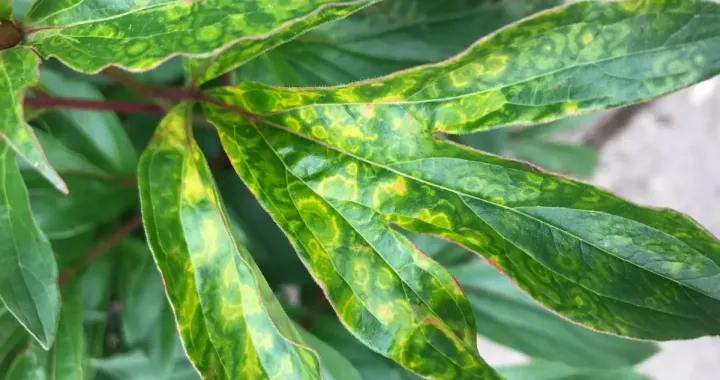
Description
Symptoms
The clinical presentation of Gammaflexiviridae infection often includes distinct mosaic patterns, chlorosis, and mottling of the leaves. These symptoms arise due to the disruption of chlorophyll synthesis and the inhibition of photosynthetic activity.
Infected plants frequently exhibit signs of stunted growth, including shortened internodes and deformed, smaller leaves. This leads to a loss of vigor and overall biomass reduction.
Reproductive organs such as flowers and fruits may show signs of discoloration, uneven ripening, or structural distortions. In severe cases, fruits can become small, malformed, and commercially worthless.
Some plants may show necrotic lesions or vein banding, which are indicators of advanced cellular degradation. Over time, these areas may become brittle and necrotic, significantly damaging the plant's architecture.
Lenticular or spotty patterns on fruits are common signs of infection in woody perennials. It is important to note that symptoms can vary widely depending on the host cultivar and environmental conditions.
Pathogen
The family Gammaflexiviridae consists of plant viruses characterized by a single-stranded RNA genome and flexible, filamentous virions. These pathogens are known to infect a range of economically important agricultural and horticultural crops.
These viruses typically replicate within the host's parenchyma cells, utilizing the plant's resources to propagate. The infection process involves the systemic movement of viral particles through the plant's vascular system, leading to widespread physiological disruption.
Gammaflexiviridae are classified into several genera, including Mandarivirus and Mycoflexivirus. They are primarily transmitted mechanically, through contact between infected and healthy plants, as well as via specific vectors like aphids or mites.
On a cellular level, these viruses interfere with the plant's normal metabolic pathways. They often evade or suppress the plant's innate immune system, allowing the infection to persist within the tissues for extended periods.
The biological complexity of these viruses makes them resilient and capable of overwintering in perennial crops, which serves as a source of primary infection for subsequent growing seasons.
Conditions for development
The spread of Gammaflexiviridae is highly dependent on the presence of insect vectors. Warm and humid conditions are ideal for the rapid reproduction of these pests, which facilitates the transmission of the virus across fields.
Mechanical damage caused by standard agricultural practices, such as pruning, harvesting, or thinning, serves as a primary entry point for the virus if sanitation protocols are neglected.
The use of infected propagation materials, such as cuttings or grafts, is the most common cause of long-distance viral spread. This is especially problematic in orchards and vineyards where trees remain in place for many years.
Environmental stress, including drought, nutrient imbalances, and temperature extremes, can weaken the plant's defense mechanisms, making it more susceptible to viral invasion and exacerbating the impact of the disease.
Weed species act as critical reservoirs for the virus. These alternative hosts maintain the pathogen within the ecosystem, providing a source of inoculum that can infect nearby crops when conditions become favorable.
Why it matters
The primary economic impact of Gammaflexiviridae is a significant reduction in crop yield and quality. By diverting plant resources toward viral replication, the pathogen severely limits the plant's productive potential.
Infected plants suffer from a reduced ability to store nutrients, which directly impacts the size and flavor of fruits. The produce often fails to meet market standards, leading to financial losses for the farmer.
Furthermore, plants affected by these viruses become more susceptible to other biotic and abiotic stresses, such as fungal infections or extreme weather, leading to higher mortality rates in plantations.
The need for premature removal of infected crops, combined with the costs associated with disease management and vector control, creates a heavy financial burden on agricultural enterprises.
In perennial crops, long-term infection leads to the progressive degradation of the plant, eventually rendering the orchard or vineyard unproductive and requiring costly replanting efforts.
Protection
The most effective strategy against Gammaflexiviridae is the use of healthy, virus-indexed propagation material. Ensuring the starting material is free of the virus is paramount to preventing outbreaks.
Rigorous monitoring and rogueing of infected plants are essential to slow down the spread of the virus within a crop. Removing the source of inoculum early in the season can significantly mitigate damage.
Integrated Pest Management (IPM) focusing on the control of vectors like aphids and mites is a key preventive measure. Reducing vector populations directly correlates to a lower incidence of viral transmission.
Strict sanitation measures, such as disinfecting pruning tools with appropriate chemicals and managing field debris, are crucial for minimizing mechanical spread.
- Use resistant or tolerant cultivars when available;
- Implement proper crop rotation;
- Maintain distance from older, potentially infected plantations;
- Optimize plant nutrition to enhance natural defenses;
- Regular laboratory testing to identify latent infections.
Discussion
No discussions yet — be the first.