
Wheat soil-borne mosaic
Furovirus tritici
Description
Symptoms
Symptoms typically become visible in early spring, immediately following the resumption of wheat growth after the winter dormancy period.
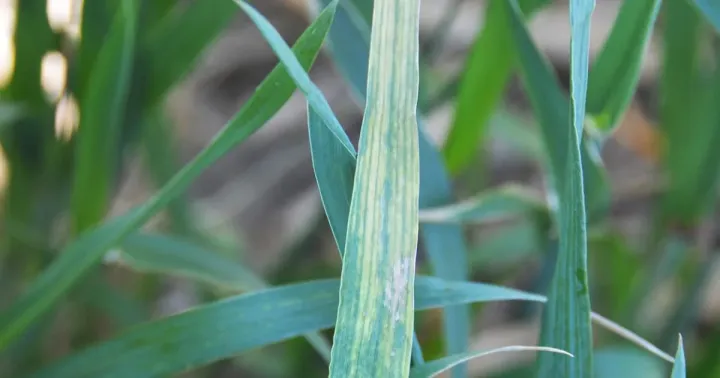
The most diagnostic sign is the appearance of chlorotic streaks on leaves, which may range in color from light green to bright yellow, running parallel to leaf veins.
Affected plants are often stunted, showing a significant reduction in biomass and height compared to healthy plants in the same field.
In many cases, infected plants exhibit increased but non-productive tillering, which alters the overall appearance and canopy architecture of the stand.
Symptoms are often localized in specific patches, particularly in low-lying areas of the field where soil moisture remains higher for longer durations.
Pathogen
The disease is caused by the Soil-borne wheat mosaic virus (SBWMV), which belongs to the Furovirus genus. It is a virus that persists in the soil environment.
The primary vector for the transmission of this virus is the soil-borne obligate parasite Polymyxa graminis, which carries the virus within its resting spores.
The virus particles are highly stable and can remain infectious within the spores of the vector in the soil for many years, even in the absence of a host crop.
This pathogen primarily infects winter wheat, but it can also affect other cereal crops like barley, rye, and certain grass species.
Dissemination across fields mainly occurs through the movement of infested soil particles, often via farm machinery, flooding events, or heavy surface runoff.
Conditions for development
The development of the disease is strictly dependent on the lifecycle of Polymyxa graminis, which requires high soil moisture levels for infection.
Optimal conditions for infection occur when soil temperatures range between 10°C and 15°C, making autumn an ideal period for the initial plant colonization.
Heavy clay soils or fields with poor drainage are highly conducive to the disease, as they retain the moisture necessary for the vector to move and infect roots.
Repeated planting of susceptible wheat varieties in the same field leads to a substantial build-up of the viral inoculum in the soil over consecutive seasons.
Early planting dates may increase the infection rate by exposing young seedlings to the precise thermal conditions that favor the vector's activity.
Why it matters
The economic impact of wheat soil-borne mosaic is primarily linked to yield reduction, often caused by poor grain filling and a reduced number of productive spikes.
Yield losses can be significant, ranging from 10% to 50% in heavily infested areas, depending on the susceptibility of the cultivar and the environmental stressors.
Infection compromises the plant's overall vigor and winter hardiness, leading to increased crop mortality during harsh winter conditions.
The grain quality is negatively affected, with reduced test weights and altered protein content, which can impact the marketability of the wheat crop.
Weakened plants are more susceptible to secondary infections by other pathogens and may show higher sensitivity to herbicide applications or drought stress.
Protection
The most effective management approach is the utilization of resistant or tolerant wheat cultivars, specifically bred to withstand local viral strains.
Crop rotation can help manage inoculum levels, although it is less effective due to the extraordinary longevity of the viral spores in the soil.
Adjusting planting dates can help avoid the window of peak activity for the Polymyxa graminis vector, thereby reducing the initial infection success.
Strict sanitation protocols, such as cleaning farm machinery before moving from infested fields to clean areas, are vital to preventing further spread.
- Use high-quality, certified seeds for planting.
- Avoid planting winter wheat in poorly drained or chronically wet fields.
- Implement soil management techniques to improve overall water drainage.
Discussion
No discussions yet — be the first.