
Carnation necrosis
Closterovirus necrodianthi
Description
Symptoms
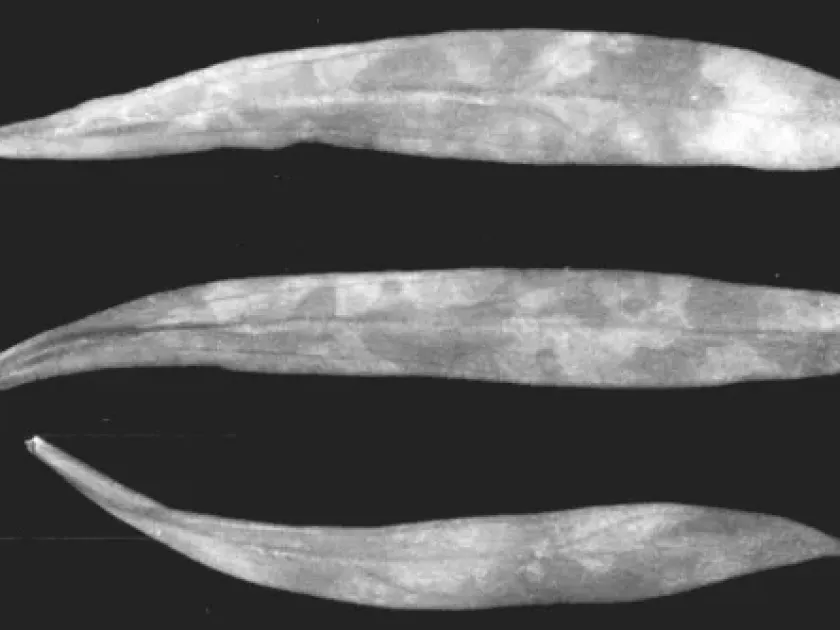
The first symptoms typically appear as chlorotic spots on young leaves, which subsequently evolve into necrotic lesions. These spots turn brown and dry out, often forming distinct streaks along the veins of the leaves.
Stems lose their turgidity and flexibility, frequently showing signs of bending or breaking. The damage to the vascular tissue prevents the plant from receiving necessary nutrients, leading to general wilting.
Flowering is severely affected; buds may fail to open or appear stunted and deformed. The petals often show variegation, a classic sign of viral infection where pigment distribution is disrupted during development.
The root system shows signs of stunted growth, which is reflected in the overall failure of the plant to thrive. Premature leaf yellowing and senescence are common as the virus takes over the plant's resources.
On advanced stages, the necrosis spreads to large areas of the plant, resulting in significant tissue dieback and the eventual death of the affected specimen.
Pathogen
The causative agent of the disease is the Closterovirus necrodianthi, a member of the closterovirus group. This viral infection primarily affects the plant's vascular system, disrupting the vital transport of water and nutrients.
The virus consists of thread-like particles that propagate through the plant's intercellular spaces. Unlike soil-borne fungal pathogens, this virus relies on vectors or mechanical transmission to spread between plants.
Primary infection often originates from contaminated mother plants. Once a plant is infected, the virus spreads systemically, compromising the health of the roots, stems, and leaves simultaneously.
As a viral pathogen, it alters the plant's cellular metabolic processes. The infection is persistent and leads to a gradual degeneration of plant tissues, which makes recovery impossible once the disease reaches a systemic stage.
Professional diagnosis is usually conducted through laboratory tests such as ELISA or PCR, as initial symptoms can often be misidentified as nutrient deficiencies or environmental stress.
Conditions for development
The spread of the disease is heavily dependent on insect vectors, mainly aphids and thrips. These insects transmit the virus from infected plants to healthy ones while feeding on plant sap.
High humidity and poor ventilation in greenhouses create perfect conditions for insect population growth, which in turn accelerates the transmission of the virus throughout the crop.
Temperature stress and malnutrition weaken the plant's immune system, making it more susceptible to infection. Environmental factors that cause physiological strain often result in more severe symptom expression.
Mechanical transmission is a major concern in commercial operations. Contaminated pruning tools, such as knives or shears, act as a primary pathway for the virus to enter through fresh cuts.
In greenhouse environments, the virus can persist throughout the year if sources of infection are not strictly managed and insect populations are left unchecked.
Why it matters
Carnation necrosis represents a major economic threat to the floriculture industry. The disease renders affected flowers unmarketable, leading to substantial financial losses for growers.
Infected stock is unsuitable for propagation. If cuttings are taken from diseased mother plants, they will transmit the virus to the next generation, perpetuating the problem and leading to crop failure.
Large-scale outbreaks can necessitate the destruction of entire batches of plants, causing a significant decrease in productivity and increasing the cost of production.
The weakening of the plant due to the virus makes it more vulnerable to opportunistic fungal and bacterial infections, which can further aggravate the damage caused by the necrosis.
Long-term presence of the virus in a greenhouse makes the site high-risk, potentially limiting the viability of the facility unless a complete sanitation and replacement program is implemented.
Protection
The cornerstone of control is strict phytosanitary management. Growers must ensure they use only certified, virus-free planting material to prevent initial introduction into the greenhouse.
Controlling insect vectors is vital. A regular insecticide program aimed at aphids and thrips significantly reduces the chances of the virus spreading from infected plants to healthy ones.
Rigorous tool disinfection protocols are necessary. Pruning knives and shears must be sanitized between plants using effective disinfectant solutions to prevent mechanical viral spread.
Immediate roguing is essential: any plant showing symptoms must be removed and destroyed immediately, including the root system, to keep the infection from spreading further.
Maintaining optimal growing conditions, including proper nutrition and ventilation, helps the plants maintain their vigor and resist the negative impacts of potential viral exposure.
Discussion
No discussions yet — be the first.