
Soybean mosaic virus
Caulimovirus glycinis
Description
Symptoms
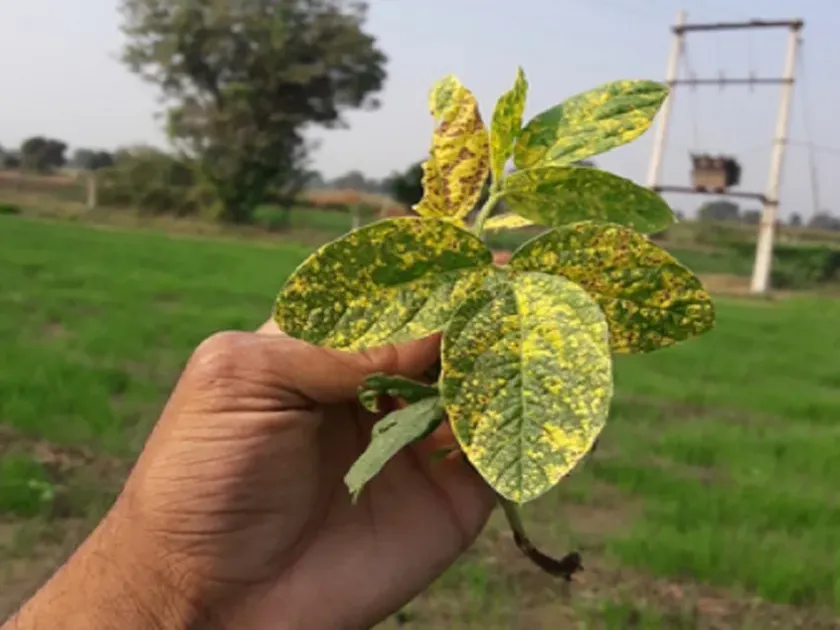
Typical symptoms include a mosaic pattern on the leaves, characterized by alternating patches of light green and dark green tissue.
Leaves often become distorted and puckered, with margins curling downwards, which is a hallmark sign of the infection in many varieties.
Infected plants exhibit severe stunting, with shortened internodes, leading to an overall reduction in plant height and stunted development.
Pods on infected plants may be fewer in number, deformed, and contain seeds with characteristic seed coat mottling or pigmentation.
The severity of these symptoms is heavily influenced by the viral strain, the stage of plant growth at infection, and environmental conditions.
Pathogen
The pathogen responsible for the disease is the Soybean mosaic virus (SMV), a member of the genus Potyvirus in the family Potyviridae.
This virus contains a single-stranded RNA genome and is known for its ability to persist and spread efficiently in cultivated soybean fields.
Seed transmission is the primary method of long-distance spread, allowing the virus to establish itself in new areas through infected seeds.
Within the field, the virus is transmitted by several species of aphids in a non-persistent manner, meaning they pick up the virus from infected plants within seconds.
Perennial legume weeds serve as crucial reservoirs for the virus, allowing it to survive through the winter and infect subsequent soybean crops.
Conditions for development
The spread of SMV is favored by moderate temperatures which are optimal for both the virus replication and the activity of aphid vectors.
High humidity levels promote the growth of host plants and weeds, ensuring the virus remains present throughout the growing season.
Early planting of soybean can increase the risk of infection if it coincides with peak migration periods of winged aphids.
Dense crop canopies create a microclimate that facilitates the movement of aphids between plants, thus accelerating the spread of the virus.
Fields situated near previous-year soybean crops or perennial legumes are at a significantly higher risk of experiencing localized outbreaks.
Why it matters
The primary economic impact is a dramatic reduction in crop yield, which can range from 20% up to 80% in susceptible varieties.
Quality reduction is also significant; infected seeds may have lower oil and protein content, and they often exhibit poor germination rates.
Systemic infection in early growth stages can cause the death of the apical meristem, resulting in severely deformed or unproductive plants.
The disease weakens the plants, making them more susceptible to other stressors, such as drought, nutrient deficiencies, or other pathogens.
Seed mottling reduces the market value of the grain and renders it unsuitable for future planting, leading to long-term economic losses.
Protection
Planting disease-free, certified seeds is the single most important practice for preventing the introduction of SMV into a field.
Managing weed populations in and around fields is essential to eliminate reservoirs where aphids and the virus survive between crops.
The use of resistant or tolerant soybean varieties is the most sustainable and cost-effective strategy for managing the disease.
While insecticide applications can control aphid populations, they are often ineffective at preventing the initial spread of non-persistent viruses.
- Utilize certified virus-free seed stocks.
- Control legume weeds near fields.
- Deploy resistant soybean cultivars.
- Practice optimal field sanitation.
- Monitor aphid populations regularly.
Discussion
No discussions yet — be the first.