
Potato sigmahelenii virus
Carlavirus sigmahelenii
Description
Symptoms
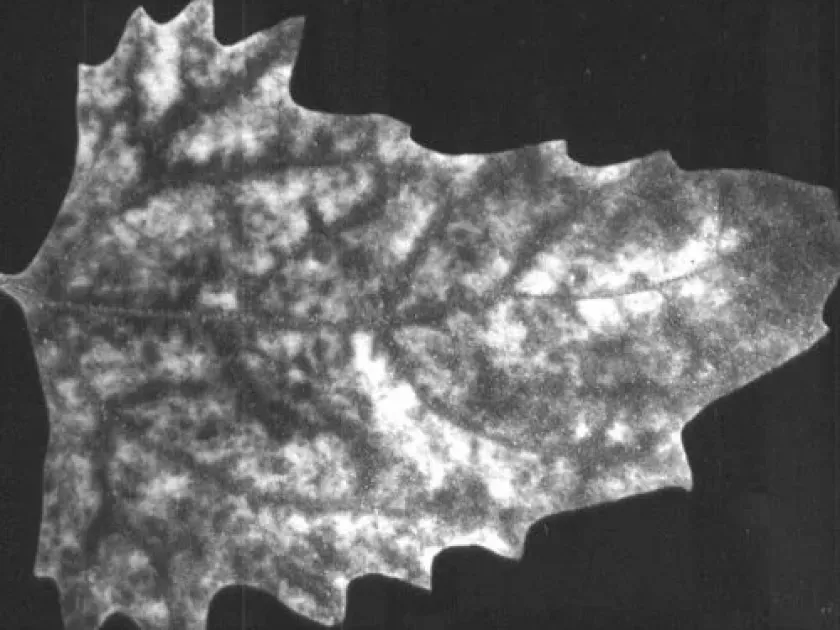
Symptoms of Carlavirus sigmahelenii infection often include mild mosaic patterns and chlorosis on the leaves. The leaf surface may show slight crinkling, although these signs can be subtle under optimal growing conditions.
Latent infection is a significant issue, where the virus is present in the plant but does not produce visible symptoms. This makes the identification of diseased plants in seed production fields particularly challenging without laboratory testing.
In more severe cases, plant growth is noticeably stunted. Infected foliage might exhibit distortions, and the overall vigor of the potato plant is reduced, leading to a thinner canopy compared to healthy plants.
Symptoms usually become more pronounced when the plant is under abiotic stress, such as heat or drought. The presence of coinfections with other viruses often aggravates the visual symptoms, leading to significant yield depression.
- Light-green mottle or mosaic on leaves.
- Leaf distortion or slight curling.
- Overall reduction in plant height and vigor.
- Decreased tuber size and marketability.
Pathogen
The causal agent is Carlavirus sigmahelenii, a plant virus belonging to the genus Carlavirus within the Betaflexiviridae family. It is characterized by flexuous filamentous particles that infect various agricultural and wild plant species.
The virus is primarily transmitted by aphid vectors in a non-persistent manner. During feeding, aphids acquire viral particles from infected tissues and transfer them to healthy plants rapidly, making it difficult to control through insecticides alone.
Mechanical transmission also plays a role in the spread of the pathogen, particularly through contaminated farm machinery or tools used during crop management practices. Any damage to plant tissues facilitates the entry and movement of the virus.
The virus persists in perennial weed reservoirs and infected tubers. These sources act as critical inocula for the new growing season, leading to early-season spread once environmental conditions become favorable for vector activity.
Molecular research on Carlavirus sigmahelenii is vital for accurate detection, as symptoms often mimic other common potato viruses. Understanding its genomic structure helps in developing resistant varieties and better diagnostic tools.
Why it matters
The primary economic harm caused by this virus is the significant reduction in tuber yield and quality. Infected plants have lower photosynthetic efficiency, resulting in less accumulation of starch and nutrients.
Viral accumulation over successive generations leads to potato variety degeneration. This results in reduced sprouting energy and lower plant emergence rates, directly affecting the profitability of potato farming operations.
Infected tubers often show reduced shelf life and are more susceptible to secondary infections by soil-borne pathogens. This negatively impacts storage capabilities and increases post-harvest losses for the producers.
The presence of the virus can lead to the rejection of seed lots during certification processes. For seed producers, this represents a major financial risk, as infected material cannot be sold or used for further propagation.
Crop management becomes more expensive due to the need for intensive vector control and constant monitoring for viral symptoms throughout the season. These added costs reduce the overall profit margin per hectare.
Protection
The cornerstone of control is the use of high-quality, certified, and virus-free seed potatoes. Starting with clean propagation material obtained through tissue culture is the most effective way to prevent early outbreaks.
Managing aphid populations is essential to reduce the spread of the virus within the field. The timely application of systemic insecticides can limit the movement of vectors and prevent secondary transmission of the virus.
Spatial isolation between seed production plots and commercial potato fields is a highly recommended practice. This helps to protect high-value seed crops from viral sources residing in neighboring fields.
Strict phytosanitary measures, including regular roguing of symptomatic plants, help in curbing the spread within an existing crop. Destroying infected plants immediately is crucial to protect the remaining healthy population.
Sanitation of all agricultural equipment and machinery is critical to prevent mechanical transmission. Routine cleaning and disinfection practices ensure that the virus is not carried across different fields on farm tools.
Discussion
No discussions yet — be the first.