
Bromegrass mosaic virus
Bromovirus cybv
Description
Symptoms
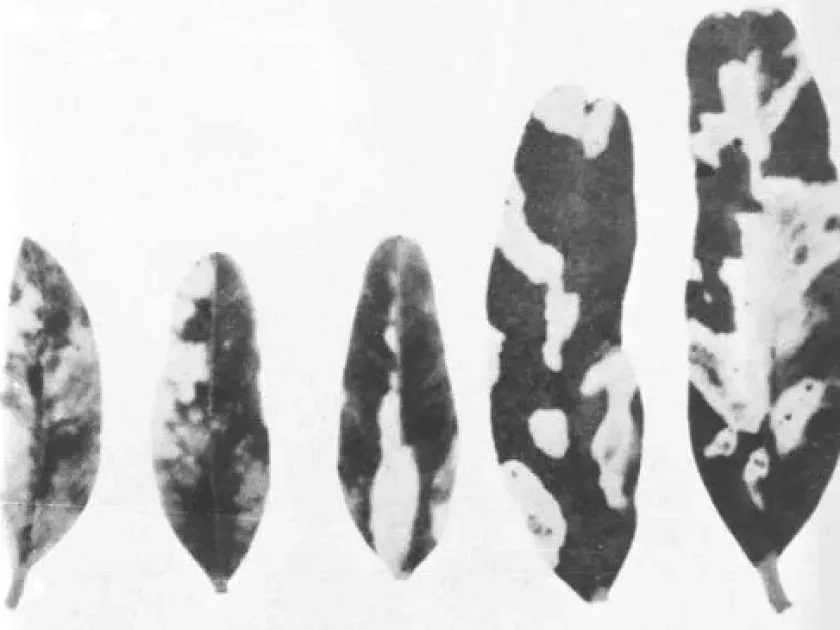
The primary visual symptom is the development of a mosaic pattern on the leaves, characterized by a mix of light green, yellow, and normal green mottling or streaks.
Infected plants exhibit severe growth retardation, often resulting in distinct stunting compared to healthy specimens in the same field.
Leaf blades may show deformations, curling, or narrowing, which significantly reduces the photosynthetic efficiency of the plant.
In the reproductive stages, infected plants often produce stunted spikes or panicles, leading to poor seed set and overall reduced grain yield.
Symptoms are typically most prominent during active vegetative growth, especially when environmental conditions favor the rapid development of the host plant.
Pathogen
The causative agent of the disease is the Bromegrass mosaic virus, known by the scientific classification as Bromovirus cybv. It is a pathogen belonging to the Bromovirus genus, primarily infecting graminaceous crops.
The virus consists of small isometric particles containing single-stranded RNA. These particles infect host plant cells, hijacking their metabolic processes for viral replication.
The pathogen is known to persist in the tissues of perennial grasses, which act as natural reservoirs during the winter months or between growing seasons.
Transmission within fields occurs primarily through insect vectors, such as aphids, which transfer the virus while feeding on healthy host tissues.
Mechanical transmission is also a significant factor, occurring during routine agricultural practices when infected sap comes into contact with healthy plant tissues.
Conditions for development
Disease spread is heavily dependent on the activity of insect vectors. Warm and humid conditions generally increase insect mobility and feeding, facilitating viral transmission.
Plant density plays a crucial role; overcrowding creates a favorable microclimate for vectors, allowing for easier movement between adjacent plants.
The presence of wild grasses and weed species near agricultural fields acts as a primary source of inoculum, allowing the virus to establish early in the season.
Environmental stress, such as drought, nutrient deficiency, or soil imbalance, can weaken the plant's defense mechanisms, making it more susceptible to viral invasion.
Agricultural operations that damage plant tissues can also exacerbate the spread, as contaminated equipment serves as a vehicle for the pathogen.
Why it matters
The Bromegrass mosaic virus causes significant damage to cereal production by disrupting vital physiological processes, leading to decreased biomass and grain output.
Infected crops show increased vulnerability to secondary stresses, such as cold temperatures or water scarcity, often resulting in widespread plant mortality.
Economic losses are cumulative, arising from reduced yield quantity and compromised quality, which negatively affects seed marketability and nutritional value.
Given the systemic nature of the infection, a localized outbreak can rapidly evolve into an epidemic, impacting the entire field area within a short timeframe.
Fields infected with this virus are often unsuitable for future planting due to the persistence of the pathogen in plant debris and perennial weed populations.
Protection
The implementation of resistant or tolerant cultivars remains the most effective long-term strategy for managing the impact of the Bromegrass mosaic virus.
Strict weed control programs are essential to eliminate reservoir hosts that allow the virus to survive between growing seasons.
Managing insect vector populations through targeted insecticide applications during peak migration periods is crucial to slowing the spread of the disease.
Establishing spatial isolation between newly planted crops and areas with perennial grasses can significantly reduce the pressure of primary infections.
Maintaining high agricultural standards, including balanced fertilization and timely field sanitation, helps improve overall crop vigor and natural resilience.
Discussion
No discussions yet — be the first.