
Blueberry latent virus
Bluvavirus vaccinii
Description
Symptoms
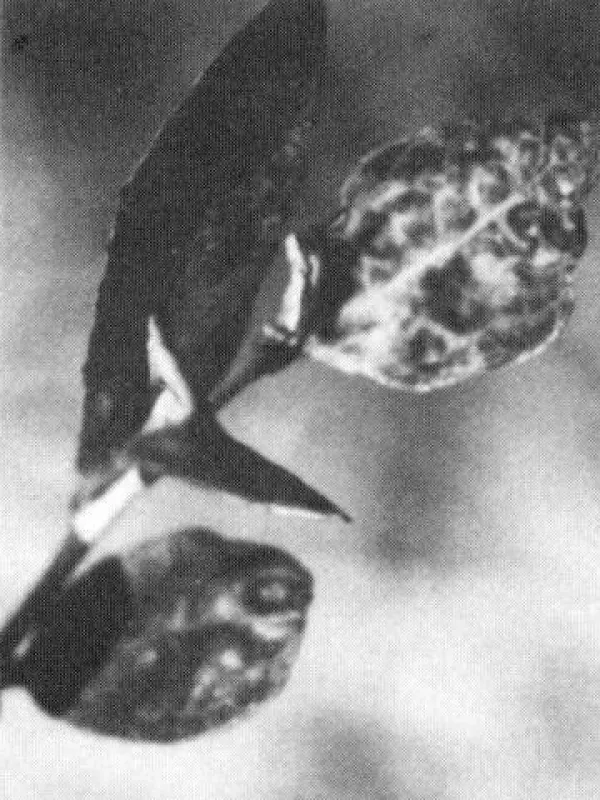
The primary symptom is the appearance of chlorotic streaks, lines, or mosaic patterns on the leaves. These markings typically track along the leaf veins, creating a distinct netted or banded visual effect.
In certain varieties, leaves may exhibit spotting or crinkling, leading to a general loss of vigor. The foliage might become distorted or shed prematurely when the infection load is high.
Affected plants often show stunted growth and reduced shoot development. Compared to healthy bushes, infected plants appear significantly smaller and less resilient under field conditions.
Fruit production is severely affected, with reduced yields and lower fruit quality. Flower bud formation can also be inhibited, resulting in sparse flowering and lower berry set during the harvest season.
Symptom expression is highly variable and can be influenced by cultivar genetics, environmental conditions, and the time of year, which can sometimes mask the presence of the virus.
Pathogen
The causative agent of this disease is the Blueberry latent virus (BLV), which is officially categorized within the Bluvavirus genus. It is a persistent viral pathogen known for its ability to maintain a latent stage within infected tissues.
The virus acts as a systemic pathogen that spreads through the vascular system of the blueberry plant. It is primarily transmitted via infected propagation material, such as cuttings or nursery stock that lacks proper certification.
Classified as a viral disease, it disrupts the host plant's internal physiological processes, particularly those involving nutrient transport and photosynthesis. Once infected, the plant remains a reservoir for the virus.
Biology of the virus involves integration into the host plant, where it can persist for the entire lifespan of the bush. Currently, there are no curative treatments available to eliminate the virus from infected plant tissues.
Detection often requires specialized laboratory techniques, such as RT-PCR or ELISA, because the virus may remain asymptomatic for long periods, making visual diagnosis difficult in early infection stages.
Why it matters
The economic harm caused by this virus is substantial, as it leads to decreased fruit yields and poor quality berries, which fail to meet commercial standards for the fresh market.
Plants infected with the virus often suffer from a compromised immune system. This makes them significantly more susceptible to secondary stressors, such as fungal pathogens, pests, and drought conditions.
The virus limits the productive lifespan of a blueberry plantation. Once established, the infection can spread throughout the rows, making the entire planting site less profitable.
Because there is no cure, the only effective management strategy for an infected plantation is the removal and destruction of the affected bushes to prevent further spread to healthy plants.
The persistence of the virus in propagation material poses a long-term threat to nursery operations, necessitating rigorous certification and testing protocols to ensure clean stock distribution.
Protection
The primary method of control is the use of high-quality, virus-indexed nursery stock. Ensuring that plants are certified free of pathogens is the most effective way to start a healthy plantation.
Sanitation practices are critical; tools used for pruning should be disinfected between bushes using alcohol or other recommended chemical sanitizers to avoid mechanical transmission of the virus.
Routine scouting and monitoring are essential for early detection. Any plants displaying symptoms of streaking or chlorosis should be promptly removed, dug up, and destroyed to prevent spread.
Managing potential insect vectors, such as aphids or leafhoppers, is a prudent practice, as these insects can occasionally facilitate the transmission of viral pathogens within a berry crop.
Establishing a buffer zone and maintaining strict hygiene standards helps reduce the risk of cross-contamination between older or suspect plants and newly established, healthy blocks.
Discussion
No discussions yet — be the first.