
Blechum yellow
Blechum yellow
Description
Symptoms
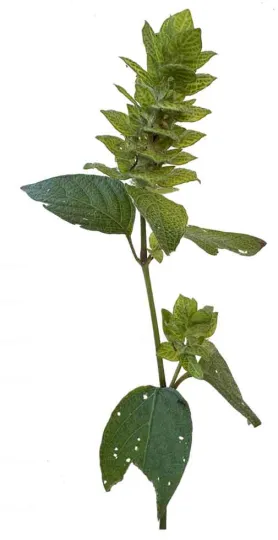
The most distinctive symptom is interveinal chlorosis, where leaf tissue turns yellow while the leaf veins remain green. This creates a contrasting, skeleton-like appearance on the leaves.
Infected plants typically show severe growth retardation and stunting. Internodes become shortened, and the plant fails to reach its natural size, appearing visually weak and sickly.
Leaf deformation is also common, with some foliage exhibiting crinkling, curling, or uneven development. This is a direct consequence of the viral disruption of cellular hormone balance and metabolic processes.
In some cases, a mosaic pattern of yellow and green spots may appear across the leaf surface, which is a hallmark sign of systemic viral infection spreading through the tissue.
- Interveinal chlorosis (yellowing between veins).
- Severe stunting and reduced plant height.
- Mosaic patterning and color variegation.
- Distorted or crinkled leaf growth.
- Premature leaf drop and apical necrosis.
Pathogen
The disease is caused by the Blechum yellow virus (BleYV), a pathogen that specifically targets plants within the Acanthaceae family. This virus is a systemic pathogen, meaning it spreads throughout the plant's vascular system, disrupting normal physiological functions.
Categorized as a viral chlorosis, the infection interferes with chloroplast development and maintenance. The viral particles manipulate cellular metabolism, leading to a significant reduction in the plant's ability to produce necessary nutrients for growth.
The primary mode of transmission involves insect vectors, specifically whiteflies and potentially aphids, which feed on the sap of infected plants and transfer the virus to healthy hosts. This transmission cycle is the most common way the disease spreads across nurseries.
The virus is known to persist in perennial reservoirs, making it difficult to eradicate completely from areas where susceptible host plants are present throughout the year.
While the virus is not known to be seed-transmitted, vegetative propagation using cuttings from infected mother plants is a high-risk factor for spreading the pathogen to new locations.
Conditions for development
Blechum yellow thrives in warm, humid climates, which are optimal for the rapid reproduction of insect vectors like whiteflies. These conditions accelerate the rate at which the virus moves between plants.
High plant density in cultivation areas creates a conducive environment for transmission. When plants are crowded, insects can easily move from an infected individual to healthy neighbors.
Environmental stress, such as nutrient deficiencies, improper light levels, or water imbalances, significantly lowers the plant's natural resistance, making it more vulnerable to viral colonization.
Poor sanitation practices, such as failing to control weed hosts or not disinfecting tools, contribute to the persistence of the virus in the environment.
Seasonality plays a role, with symptoms often becoming more pronounced during periods of active growth when the plant's metabolic demand is highest and the virus is most active.
Why it matters
The primary impact of Blechum yellow is the catastrophic loss of aesthetic value, rendering the plants unsuitable for ornamental landscapes or commercial retail.
Chronic infection results in a systemic weakening of the plant, which may eventually lead to total collapse and death, as the plant can no longer sustain photosynthesis to meet its energy needs.
The disease poses a major threat to specialized collections, as it can sweep through an entire nursery or garden rapidly if the insect vector population remains uncontrolled.
Economic damage is substantial, encompassing the loss of valuable plants, the costs associated with sanitation and removal, and the potential need for long-term quarantine measures.
Because there is no known cure for established viral infections in plants, the damage caused by this disease is generally irreversible for the individual infected specimen.
Protection
The cornerstone of control is strict phytosanitary management. Infected plants must be identified and removed immediately to eliminate the source of the virus for remaining healthy stock.
Aggressive management of insect vectors is crucial. The use of appropriate insecticides to control whitefly populations significantly breaks the cycle of transmission and protects healthy plants.
Only certified, virus-free plant material should be used for propagation. Growers must avoid taking cuttings from any plants that show even mild symptoms of chlorosis or growth abnormalities.
Tools and equipment used for pruning and maintenance must be sanitized thoroughly between plants to prevent mechanical transmission of the virus through infected plant sap.
Providing optimal growing conditions, including proper fertilization and balanced irrigation, helps to maintain plant vigor, allowing them to better resist the impact of latent viral infections.
Discussion
No discussions yet — be the first.