
Yellow vein of solanaceous
Begomovirus solanumflavusvenae
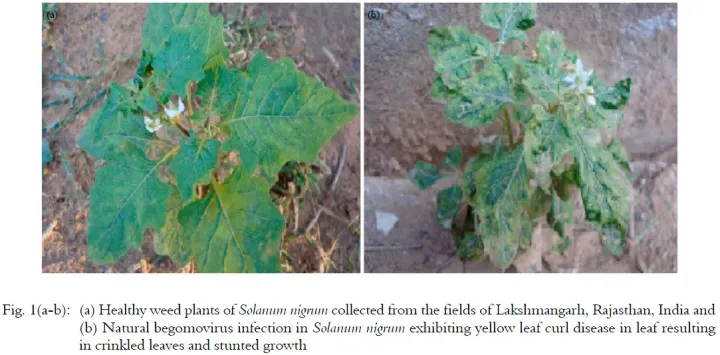
Description
Symptoms
The primary symptom is a distinctive yellowing of the leaf veins, which gradually spreads across the entire leaf blade, causing generalized chlorosis.
Infected plants show severe leaf deformation, characterized by curling or twisting of the leaf margins. Internode growth is stunted, leading to an overall dwarfed plant habit.
Fruit set is significantly reduced, and the fruits that do develop are often small, misshapen, and lack the vibrant color characteristic of healthy produce.
Early signs include subtle light spots on the leaf veins, which eventually intensify into a clear yellow network against the green leaf background.
Symptom expression can vary depending on the host genotype and the stage of infection, but plant stunting and chlorosis remain the most consistent diagnostic features.
Pathogen
The disease is caused by the Begomovirus solanumflavusvenae, a member of the Geminiviridae family. It is a virus with a single-stranded DNA genome that primarily targets solanaceous crops.
The nature of the disease is viral infection, which spreads primarily through insect vectors. The virus resides in the phloem tissues, disrupting the transport of essential nutrients and photosynthetic products.
The tobacco whitefly Bemisia tabaci acts as the primary vector for this disease. The insect acquires the virus while feeding on infected plants and transmits it to healthy ones during subsequent feeding sessions.
The virus is characterized by high genetic variability, making the breeding of resistant plant varieties a significant challenge for scientists.
Molecular diagnostic methods, such as Polymerase Chain Reaction (PCR), are essential for detecting the presence of the pathogen in plant samples with high accuracy.
Conditions for development
The development of outbreaks is facilitated by high air temperatures, which create optimal conditions for the rapid multiplication of the whitefly population.
The disease spreads rapidly in greenhouse environments, where stable microclimates allow vectors to thrive and migrate throughout the growing season.
The presence of weeds surrounding fields or greenhouses serves as a reservoir for the virus during the off-season, helping it persist year-round.
Poor ventilation in greenhouses and the lack of spatial isolation between crops of different planting dates significantly contribute to rapid infection spread.
Agricultural practices, such as pruning or training without proper tool disinfection, can result in the mechanical transmission of the virus across the plantation.
Why it matters
The economic impact of this disease is significant, as it leads to severe reductions in crop yield and marketability for vegetable producers.
The fruits lose their quality, becoming small and unappealing, which renders them unsuitable for fresh market sale and results in massive financial losses.
Viral infection suppresses the plant's immune system, making it much more susceptible to secondary infections by fungal pathogens or bacterial rots.
Early infection of seedlings often results in total crop failure, as the plant remains too weak to produce any commercial quantity of fruit.
Due to its high transmission rate via insect vectors, the virus represents a constant threat to large-scale tomato and pepper production units.
Protection
The primary control strategy involves strict management of the whitefly population using both chemical insecticides and biological control agents.
Implementing spatial isolation and using insect-proof screens on greenhouse vents are crucial steps to prevent the entry of vectors from external sources.
It is vital to remove and destroy symptomatic plants immediately to prevent them from becoming an inoculum source for the rest of the crop.
Cultural practices should include diligent weed control and the implementation of effective crop rotation to disrupt the vector's life cycle.
The most sustainable approach is the use of virus-resistant cultivars, which offers the most reliable long-term protection against the disease.
Discussion
No discussions yet — be the first.