
Alphapartitivirus triheterobasidion
Alphapartitivirus triheterobasidion
Description
Pathogen
Alphapartitivirus triheterobasidion is a mycovirus belonging to the Partitiviridae family. It infects fungi, specifically species within the Heterobasidion genus, which are major pathogens of coniferous trees.
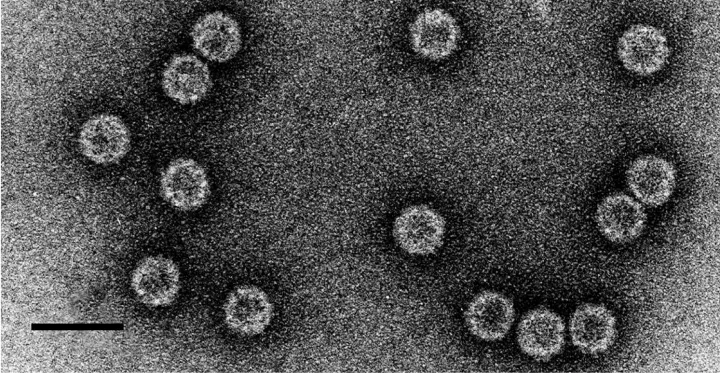
The virus possesses a double-stranded RNA genome protected by an icosahedral capsid. It acts as an endobiont, replicating within the fungal cytoplasm without causing immediate death of the host organism.
Transmission occurs primarily through hyphal anastomosis, allowing the virus to spread throughout the mycelial network. This mechanism is efficient in forest soils where fungal networks often fuse with one another.
Biologically, the virus modulates the host's gene expression, which can significantly alter the physiological properties of the fungus. This interaction is the focus of current studies regarding the biological control of tree root rot.
The virus exhibits stability within the fungal cells, which ensures its persistence in diverse environmental conditions. Its genomic structure allows for high adaptation to the fungal host's metabolic environment.
Conditions for development
Environmental factors such as soil moisture and temperature play a crucial role in the viral replication cycle. Optimal growing conditions for the fungus also promote the proliferation of viral particles.
The density of fungal populations in the forest floor dictates the rate of viral spread. In high-density areas, frequent hyphal contacts lead to the rapid transfer of the virus between colonies.
Vegetative incompatibility among different fungal strains acts as a natural barrier to viral spread. Only compatible strains allow the virus to move freely from one colony to another.
Stress factors in the ecosystem, including seasonal changes, can influence the viral titer within the mycelium. The virus often remains in a latent state until conditions favor fungal growth and replication.
Human-induced activities, such as forest management and soil disturbance, can unintentionally influence the spread of the virus by disrupting fungal networks or moving infected soil materials.
Why it matters
The primary impact of Alphapartitivirus triheterobasidion is the reduction of fungal virulence. By interfering with the host's metabolism, the virus hinders the fungus's ability to infect new wood tissues.
Infected fungal colonies often show reduced growth rates and compromised fitness. This morphological change limits the extent of the damage the fungus can cause to the host trees.
The virus can also interfere with the sporulation process of the fungus. By reducing the number of spores, the virus limits the long-distance spread of the pathogenic fungal species.
Mycelial degeneration is a common observation in virus-infected cultures. This weakening effect significantly reduces the competitive advantage of the pathogen in natural soil environments.
From a forestry perspective, the presence of this virus is often viewed as a natural control mechanism that helps mitigate the severity of root rot epidemics in forest stands.
Protection
Biological control strategies often involve the deliberate introduction of virus-infected isolates into healthy fungal populations to suppress their pathogenicity in forest stands.
In laboratory settings, screening for the presence of the virus is essential for maintaining healthy culture collections. Molecular diagnostic tools like PCR are used to detect the presence of the virus.
Quarantine measures are necessary when handling fungal cultures to prevent the unintended release or spread of the virus in controlled environments or commercial production.
Research into the selection of virus-resistant strains is important for mushroom cultivation where the virus might negatively impact yield or quality.
Long-term monitoring of forest health helps in evaluating the efficacy of natural viral infections in controlling destructive root pathogens, allowing for better-informed forest management decisions.
Discussion
No discussions yet — be the first.