
Maize mosaic virus
Alphanucleorhabdovirus maydis
Description
Symptoms
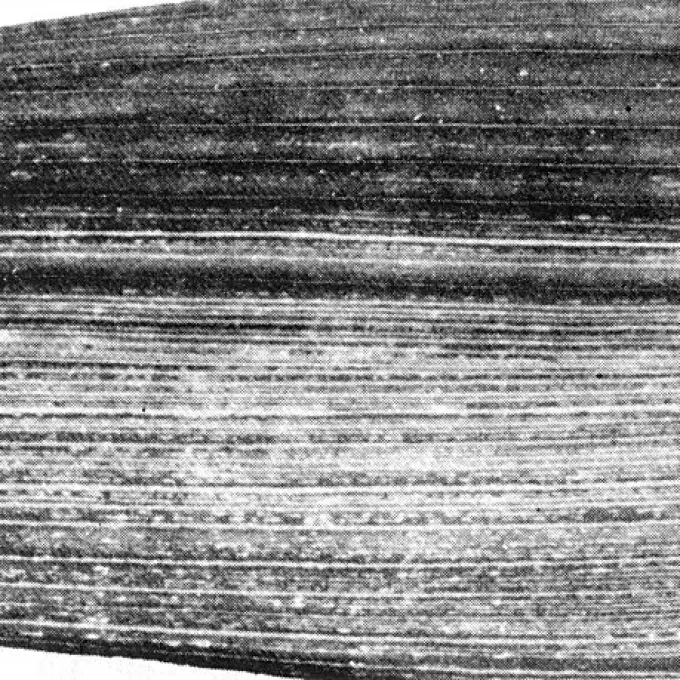
The most distinctive sign of Maize mosaic virus is the development of a chlorotic mosaic pattern on the leaves, appearing as yellow or light-green streaks running parallel to the leaf veins.
Infected corn plants exhibit marked stunting, resulting in a bushy or compressed growth habit due to the significant shortening of internodes.
Leaves may show curling, deformation, or necrosis at the tips, which can easily be misidentified as nutrient deficiencies if the mosaic pattern is not carefully observed.
The reproductive development of the corn is severely impacted; ears are often small, poorly filled, and exhibit reduced grain set compared to healthy, vigorous plants.
These symptoms are most apparent during the vegetative growth phase, as the virus aggressively interferes with the plant’s photosynthetic and transport mechanisms.
Pathogen
The causal agent of this disease is the Alphanucleorhabdovirus maydis, a member of the Rhabdoviridae family. It is a virus characterized by a bullet-shaped particle structure that targets the host's vascular system.
The virus is an obligate parasite, meaning it cannot survive or multiply outside the living tissues of the host plant or its specific insect vectors. Transmission is strictly mediated by vectors such as planthoppers.
The viral genome consists of single-stranded RNA, which replicates within the nucleus and cytoplasm of infected cells, causing severe cellular disruption.
As a systemic pathogen, once the virus enters the plant, it travels through the phloem to all parts of the corn, leading to widespread infection and physiological failure.
Scientific research indicates that this virus is highly adaptable, making it a persistent challenge in corn-growing regions worldwide where vector populations thrive.
Conditions for development
The spread of the disease is predominantly dictated by the environmental conditions that favor the presence and activity of its insect vectors, particularly planthoppers.
Warm, humid weather patterns facilitate rapid multiplication and migration of the vectors, leading to increased pressure on corn fields during the early stages of plant development.
Nearby wild grasses and weeds act as critical reservoirs for the virus, allowing it to persist in the ecosystem during periods when corn is not actively growing.
Fields that are planted in succession or located close to older, infested corn plots are at the highest risk, as vectors can easily carry the virus to fresh, susceptible seedlings.
Over-fertilization with nitrogen can encourage rapid, succulent plant growth, which creates an ideal environment for attracting and sustaining large populations of sap-sucking insects.
Why it matters
The damage caused by the virus is primarily due to the severe inhibition of photosynthesis and nutrient translocation, leading to reduced overall biomass.
Infected crops suffer from poor grain filling and lower yield quality, which can make the grain unsuitable for commercial processing or future seed production.
The systemic weakening of the plant's physiological integrity makes it highly susceptible to secondary attacks by opportunistic fungi and bacteria.
Large-scale infections can result in significant economic loss, particularly in forage corn production where total plant biomass is the primary objective of the harvest.
Without intervention, cumulative losses in infected fields can escalate quickly, turning a potentially profitable harvest into an economic burden.
Protection
Effective management begins with the integrated control of insect vector populations, using targeted insecticide applications during the early stages of crop growth.
Cultural practices, such as rigorous weed control around the field borders, are essential to remove the virus's overwintering reservoirs.
The use of resistant or tolerant corn hybrids remains the most efficient long-term solution for farmers operating in areas where the virus is endemic.
Spatial isolation of new corn plantings from mature crops and the implementation of strict crop rotation can significantly disrupt the transmission cycle.
- Monitoring vector activity using sticky traps to determine treatment thresholds.
- Rogueing of symptomatic plants to reduce the local inoculum load.
- Balanced fertilization to maintain plant vigor and stress tolerance.
Discussion
No discussions yet — be the first.