
Description
Symptoms
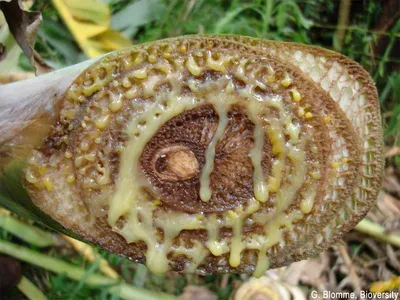
The primary symptom of this condition is the premature yellowing and softening of the pulp inside the peel, which may remain visually healthy during the early stages of development. Unlike natural ripening, this process occurs unevenly, often starting from the center of the fruit.
When the fruit is sliced, the pulp exhibits an unnatural yellow or brownish tint and loses its firm texture. In advanced cases, the internal structure becomes mushy, rendering the banana unsuitable for retail and consumption.
Affected fruits lose their characteristic banana aroma and develop an unpleasant taste caused by internal fermentation. This significantly impacts consumer acceptance and reduces the commercial value of the entire batch.
Dark, sunken spots may occasionally appear on the peel, indicating deep-seated tissue infection by fungal or bacterial agents. The peel loses its vibrant color and waxy luster, eventually becoming dull and prone to secondary rot.
Diagnostic efforts are often complicated by the fact that the exterior of the fruit appears normal until the internal degradation becomes critical. Consumers often discover the issue only after peeling, causing significant damage to the producer's reputation.
Pathogen
The causal agents of this condition are complex, involving fungi such as Fusarium species or bacteria like Erwinia spp. The exact nature of the pathogen depends heavily on the specific strain and the region of cultivation.
The pathogen enters the fruit through micro-wounds on the peel or via the vascular system during the bunch development phase on the plantation. It then remains latent until the ripening process begins.
Microorganisms produce specific enzymes that degrade cell walls, accelerating the starch-to-sugar conversion process. This leads to a rapid collapse of the tissue structure, resulting in the characteristic "yellow pulp" syndrome.
In closed environments, improper storage conditions allow the pathogen to activate toxins that poison the pulp. This leads to irreversible chemical changes, transforming the nutritious fruit into an inedible product.
The biological activity of the pathogen necessitates strict control during harvest and post-harvest handling. Regular sanitization of all equipment is essential to prevent the spread of spores and bacteria between batches.
Conditions for development
High humidity and critical temperature fluctuations during transport are the primary triggers for this disease. Bananas are extremely sensitive to environmental stress, especially during the shipping phase.
Poor ventilation within shipping containers leads to ethylene accumulation, which acts as a catalyst for rapid ripening and tissue softening. This creates a perfect environment for the growth of latent pathogens.
On plantations, excessive nitrogen fertilization makes the fruit tissue softer and more susceptible to mechanical damage and infection. Healthy, balanced nutrition is vital to maintaining the structural integrity of the pulp.
Temperature stress caused by cooling below the recommended threshold (13–14°C) damages cell membranes, creating entry points for opportunistic microflora. Once the protective barrier is breached, decay processes become unstoppable.
Insufficient sanitary standards in ripening chambers facilitate the accumulation of pathogens on surfaces. This leads to the cross-contamination of healthy fruit, turning minor infections into large-scale losses.
Why it matters
The primary economic consequence is the massive rejection of banana shipments at distribution centers. Because the disease is often invisible from the outside, it leads to significant financial losses for exporters and retailers.
The condition makes long-term storage impossible, forcing producers to sell fruit quickly at lower prices. This significantly hurts the overall profitability of the supply chain.
The prevalence of "Yellow pulp" undermines consumer trust in the supplier's brand. Persistent quality issues frequently result in the termination of long-term trade contracts and loss of market share.
The loss of a portion of the harvest increases the cost of the remaining good product, as logistics expenses are spread over a smaller volume. This negatively impacts the global banana trade economics.
Disposal of spoiled fruit creates environmental challenges, as large volumes of contaminated organic waste require specific disposal protocols to prevent further spread of the pathogen.
Protection
The primary method of prevention is strict adherence to the temperature range (13–14°C) throughout the entire supply chain. Maintaining stable conditions helps suppress pathogen activity within the fruit.
Regular cleaning and disinfection of banana washing tanks using authorized fungicides are crucial for preventing cross-contamination. This is a vital step in post-harvest processing.
Harvesting at the correct stage of technical maturity is essential to minimize the risk of mechanical injury. Protecting the peel's integrity serves as the first line of defense against infection.
- Utilizing ethylene absorbers in packaging to delay ripening.
- Continuous monitoring of fruit quality in ripening rooms using specialized sensors.
- Implementing balanced fertilization programs focusing on potassium and calcium.
Integrated pest and disease management, combining plantation-level hygiene with strict logistics control, is the only reliable way to minimize the impact of this serious condition.
Pathogens and affected parts
Affects crops · 1
Discussion
No discussions yet — be the first.