
Xanthomonadales
Xanthomonadales
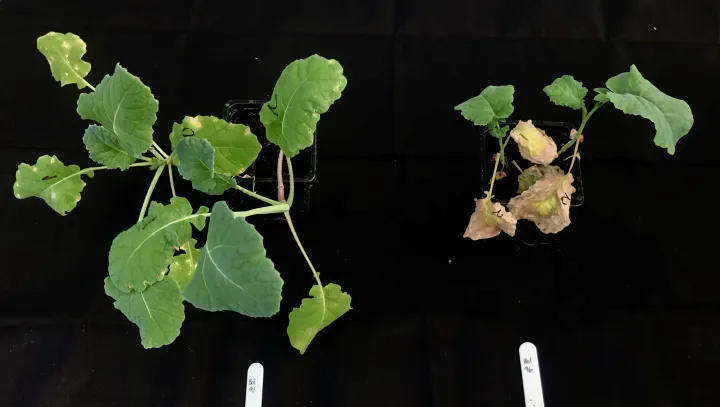
Description
Symptoms
The most common symptom of infection is the development of water-soaked lesions on leaves, which rapidly progress into angular spots restricted by leaf veins.
As the disease advances, these spots often turn necrotic, developing a brown or black center surrounded by a distinct yellowish chlorotic halo.
Stem cankers and blights are frequent symptoms, often resulting from systemic colonization of the xylem, which disrupts the flow of water and nutrients.
Under conditions of high humidity, bacterial ooze can be observed on the surface of lesions, which eventually dries into a characteristic crusty residue.
Severe infestations often result in leaf drop, fruit spotting, stunted development, and in extreme cases, the total wilting and death of the plant.
Pathogen
Xanthomonadales is an order of Proteobacteria that includes many economically significant plant pathogens, primarily within the genus Xanthomonas. These bacteria are Gram-negative, rod-shaped, and aerobic organisms known for causing a wide variety of necrotic plant diseases.
The pathogen is primarily transmitted through infected seeds, contaminated propagation material, plant debris, and movement of contaminated tools or water in field environments.
Once they colonize the host, these bacteria secrete extracellular enzymes that degrade plant cell walls, leading to tissue maceration and facilitating deeper penetration into the vascular system.
A distinctive biological trait of these pathogens is the production of a yellow, water-insoluble pigment called xanthomonadin, which provides protection against UV radiation.
The infection cycle relies heavily on physical wounds and natural openings like hydathodes and stomata for entry into the plant tissues, where bacteria multiply within the apoplast.
Conditions for development
Xanthomonas species thrive in warm, humid environments, with temperatures typically ranging between 20°C and 30°C being optimal for rapid bacterial colonization.
Frequent rainfall, overhead irrigation, and high relative humidity (above 80%) are primary drivers for the splash-dispersal of bacteria between neighboring plants.
Pest-induced wounding acts as a major catalyst, as insects feed on plant tissues and inadvertently introduce the bacteria into the wound sites.
Poor field hygiene and lack of crop rotation lead to the accumulation of inoculum in the soil and on crop residues, increasing the probability of outbreaks.
Greenhouse conditions with stagnant air and constant moisture create a perfect incubation chamber for the rapid expansion of bacterial populations on susceptible crops.
Why it matters
The economic impact of Xanthomonadales-related diseases is substantial, resulting in significant yield losses and reduction in the quality of fruits and vegetables.
Spots on fruits often render the produce unmarketable, causing severe financial losses for growers, especially in the export and fresh produce sectors.
Systemic infections weaken the plant's overall vigor, making it more susceptible to environmental stressors and further colonization by secondary pathogens.
Because the pathogen can be seed-borne, it poses a long-term threat to production cycles, as contaminated lots can introduce the disease to new, previously clean areas.
The costs associated with chemical control, early harvest, and total crop destruction significantly decrease the profitability of agricultural enterprises.
Protection
Integrated pest management (IPM) is essential for controlling these diseases, focusing on the use of certified, disease-free seed and resistant cultivars.
Cultural practices, such as removing and destroying infected plant debris, are critical to reducing the primary inoculum levels for the next planting season.
Effective insect control is necessary to minimize the physical trauma to plants, thereby reducing the number of entry points available for the bacteria.
Copper-based bactericides are the standard chemical treatment used to protect foliage from initial bacterial colonization and prevent disease spread.
- Use of disease-free propagation material.
- Implementing 3–4 year crop rotation cycles.
- Sterilization of farming equipment between uses.
- Optimizing plant spacing to improve airflow.
Discussion
No discussions yet — be the first.