
Xanthomonads
Xanthomonadaceae
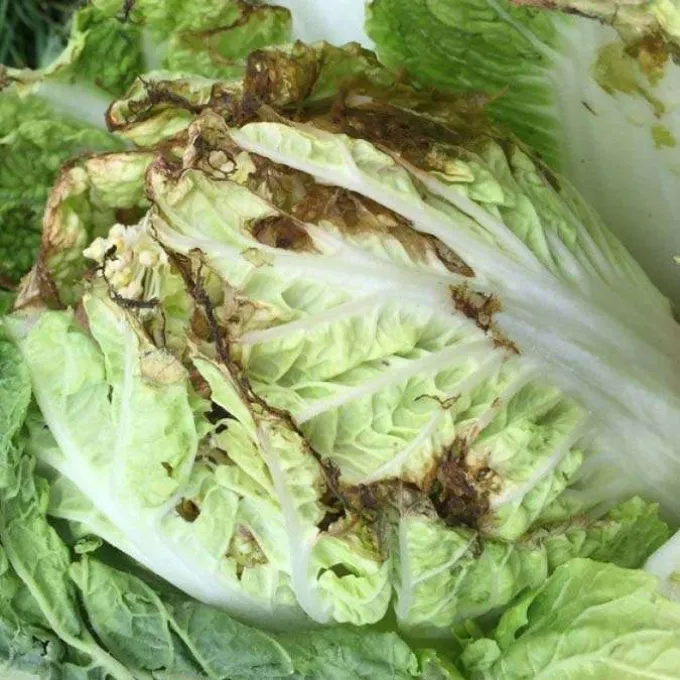
Description
Symptoms
The initial symptoms of xanthomonad infections often appear as small, water-soaked, angular spots on leaves, which are typically confined by the leaf veins.
As the disease progresses, these spots expand, become necrotic, and may develop a characteristic yellow halo, which is a result of toxin production by the bacteria.
Bacterial oozing is a key diagnostic feature; under high humidity, droplets of bacterial exudate appear on the surface of lesions and dry into a crusty, shiny layer.
Systemic symptoms may include vascular browning, wilting of stems or entire plants, and stunting, which are caused by the blockage of the xylem vessels by bacterial mass.
- Angular chlorotic and necrotic spots on foliage.
- Visible bacterial exudate on leaves and fruits.
- Vascular discoloration and systemic wilting.
- Cankerous lesions on stems and branches.
- Premature leaf drop and fruit rot.
Pathogen
Xanthomonads represent a group of plant-pathogenic bacteria belonging to the genus Xanthomonas within the family Xanthomonadaceae. These gram-negative, rod-shaped bacteria are known for their extreme host specificity.
The pathogen enters the plant tissue through natural openings like stomata or hydathodes, or through wounds caused by wind-blown sand, insect feeding, or agricultural machinery operations.
Once inside, the bacteria multiply rapidly in the intercellular spaces, secreting extracellular polysaccharides and various enzymes that degrade plant cell walls, leading to tissue collapse.
These bacteria survive in seeds, infected crop residues, weeds, and occasionally in the soil, serving as primary inoculum sources for subsequent growing seasons.
Dissemination is largely facilitated by water splashing during rain, overhead irrigation, human activity, and insect vectors that transfer bacterial cells between infected and healthy plants.
Conditions for development
Xanthomonad diseases thrive under warm and humid conditions, with optimal temperatures usually ranging from 25°C to 30°C, which promotes rapid bacterial multiplication.
Periods of rainfall, heavy dew, or overhead irrigation are critical for the spread of the pathogen, as water droplets facilitate the movement of bacteria from lesions to healthy surfaces.
High relative humidity prevents the rapid drying of plant surfaces, providing the necessary moisture film for bacteria to migrate and penetrate the plant tissue successfully.
Environmental stress, such as strong winds or heavy storms, often creates micro-wounds on leaves and fruits, serving as perfect infection sites for the bacteria.
Dense planting patterns that restrict airflow can lead to a microclimate with high humidity, significantly increasing the risk of an epidemic within the crop.
Why it matters
The economic impact of xanthomonad diseases is severe, primarily manifesting as significant yield losses due to early plant death or severely reduced growth.
Marketable quality is drastically reduced as fruits and vegetables develop unsightly spots or deep ulcers, rendering the produce unsuitable for sale or long-distance transport.
Infected produce often suffers from secondary rot caused by opportunistic fungi and saprophytic bacteria, leading to massive post-harvest losses during storage.
The cost of implementing management strategies, including the use of bactericides and increased labor for sanitation, adds to the financial burden on farmers.
Severe infestations can lead to total crop failure, necessitating the implementation of strict quarantine measures and the abandonment of susceptible varieties in affected regions.
Protection
The primary control strategy is the use of certified, pathogen-free seeds or seedlings, as many xanthomonads are effectively transmitted through the seed lot.
Implementing a rigorous crop rotation program with non-host species is essential to starve the bacteria and lower the inoculum pressure within the soil environment.
Sanitation practices, such as removing and destroying infected plant debris immediately after harvest, are crucial to prevent the survival of the pathogen in the field.
Copper-based bactericides are the most common chemical control agents used to protect healthy tissues and suppress bacterial populations during periods conducive to infection.
Good agricultural practices, including balanced fertilization to avoid succulent growth, effective weed control, and disinfecting tools between fields, significantly reduce disease spread.
Discussion
No discussions yet — be the first.