
Wineberry latent virus
Wineberry latent
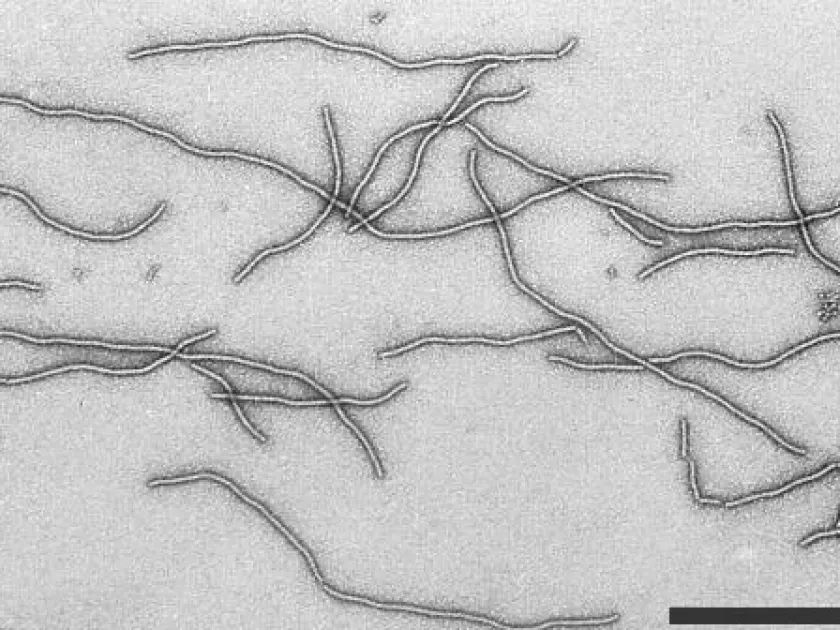
Description
Pathogen
The causal agent is the Wineberry latent virus (WLV), a member of the Nepovirus genus. This pathogen is known for its ability to persist in plant hosts without showing immediate or overt symptoms.
As an obligate parasite, the virus replicates within the host's cells, systematically infecting all parts of the raspberry plant. It relies on the plant's biological machinery to propagate its genetic material.
The virus is structurally categorized as a nepovirus, sharing many characteristics with other soil-borne viruses that affect woody and herbaceous fruit crops.
In many cases, the virus exists in a dormant or latent phase, which is a survival strategy that allows the pathogen to remain within the plant without triggering a rapid immune response.
Interaction with other viruses, such as those causing mosaic patterns, can result in synergistic effects, significantly increasing the pathological burden on the infected plant.
Conditions for development
Transmission occurs primarily through the soil-borne nematode Xiphinema. These nematodes act as vectors, acquiring the virus from infected roots and transmitting it to healthy ones during feeding.
The most common method of long-distance spread is via the trade of infected planting material. Raspberry canes or rootstocks used for propagation often carry the virus, facilitating its introduction to new areas.
Environmental conditions that favor the activity of nematode vectors, such as moist, friable soils, are ideal for the rapid spread of the virus within a plantation.
The virus can persist in the soil for significant periods, provided the nematode vectors have access to host roots, including those of various weed species.
While mechanical transmission via gardening tools is theoretically possible through sap transfer, it is generally considered a secondary risk factor compared to nematode activity.
Why it matters
The primary threat of the Wineberry latent virus is its cryptic nature. Growers often overlook the presence of the disease until significant economic damage has already occurred.
Infected plants exhibit a gradual decline in yield. The fruits tend to become smaller, crumbly, and of lower quality, which directly impacts the profitability of commercial raspberry farms.
Vegetative growth is hindered, with a noticeable reduction in the vigor of new canes. Over time, the entire plantation shows stunted growth and signs of premature exhaustion.
Long-term impact includes a significant decrease in the lifespan of the raspberry patch. The cumulative effect of the virus makes plants susceptible to environmental stressors and other biotic infections.
The economic impact involves not only reduced output but also the costs associated with early plantation removal and the necessity of fallowing the land to clear nematode populations.
Protection
The most effective management strategy is the exclusive use of certified virus-free propagation material. This ensures that new plantings start without the risk of viral introduction.
Before establishing a new crop, soil testing for the presence of Xiphinema nematodes is crucial. If vectors are present, the soil must be treated or left fallow to reduce their population.
Sanitation practices are essential for managing existing sites. Any plant showing symptoms of decline or suspected infection must be rigorously rogue out and destroyed to prevent further spread.
All pruning equipment should be disinfected regularly, especially when moving between different sections of the farm, to minimize the risk of mechanical transmission.
Adopting good agricultural practices, such as balanced fertilization and effective weed management, helps keep plants healthy and increases their tolerance to viral pressure.
Discussion
No discussions yet — be the first.