
Terfeziaceae fungi
Terfeziaceae
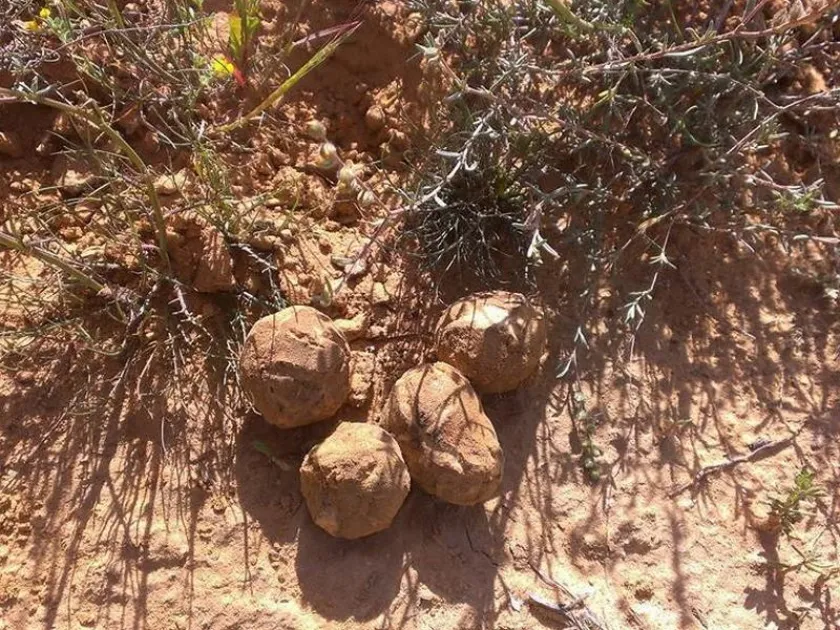
Description
Symptoms
The first clinical signs of infestation involve stunted growth, where plants exhibit a significant lag in development compared to healthy patches in the field.
Leaves often show signs of nutrient deficiency, such as chlorosis or premature wilting, due to the compromised integrity of the root system's absorption capabilities.
Physical inspection of roots often reveals unusual nodules, deformities, or localized areas of necrosis caused by the pressure exerted by fungal hyphae.
Root systems may appear discolored, turning brown or grey as the tissue degrades under the influence of the fungal colony's metabolic activities.
- Reduced vigor in early development stages.
- Wilting during peak solar exposure hours.
- Deformation of root architecture.
Pathogen
Terfeziaceae is a family of ascomycetous fungi that, in certain agronomic conditions, can act as soil-borne pathogens interfering with the root systems of various crops.
The fungus develops primarily within the soil, utilizing its mycelium to associate with or invade the root tissues of host plants under specific environmental triggers.
Biologically, these fungi are adapted to survive in soil matrices, where they can form dormant spores that withstand prolonged periods of unfavorable conditions.
The pathogen's life cycle is complex, involving interactions with the host plant's rhizosphere that can shift from symbiotic to parasitic depending on soil health.
Accurate identification of Terfeziaceae involves soil molecular analysis and microscopic examination to differentiate them from common root rot organisms.
Conditions for development
These fungi thrive in well-aerated, sandy or alkaline soils where the moisture levels are consistent but not saturating, which aids in spore germination.
High levels of soil humidity, combined with moderate temperature ranges (typically 15-20°C), significantly accelerate the colonization of the root zone.
Field conditions involving monoculture or lack of proper soil rotation provide the ideal environment for the buildup of the fungal population over several seasons.
The lack of diverse microbial competition in the soil often allows Terfeziaceae to dominate the rhizosphere of sensitive crop varieties.
Human activity, including the movement of contaminated machinery and the use of infected irrigation water, remains a primary driver for regional spread.
Why it matters
The damage caused by Terfeziaceae primarily centers on the impairment of water and mineral uptake, leading to substantial yield losses in affected fields.
Plants affected by the fungus are inherently weaker, making them highly susceptible to secondary pathogens such as bacteria or common soil-borne pests.
The overall quality of the final harvest is diminished, as affected plants struggle to accumulate sufficient biomass and sugar content for optimal market value.
Soil infection requires long-term management strategies, as spores can remain viable in the field for multiple years, hindering regular crop production.
Severe infestations often result in stand thinning, necessitating costly replanting procedures and disrupting the seasonal production cycle of the farm.
Protection
Strategic crop rotation is the primary defense, as excluding susceptible hosts for several years can significantly deplete the soil spore bank.
Deep tillage practices are recommended to displace spores from the topsoil, thereby reducing the probability of early contact with the developing root systems.
Chemical control involving systemic soil-applied fungicides can be effective if applied early enough to protect the rhizosphere from initial fungal colonization.
Managing soil pH and nutrient levels is essential, as maintaining a balanced soil chemistry discourages the rapid growth of Terfeziaceae.
Sanitation of agricultural equipment is vital; rigorous cleaning of machinery after working in infected plots prevents the dispersal of spores to healthy fields.
Discussion
No discussions yet — be the first.