
Sistotremataceae
Sistotremataceae
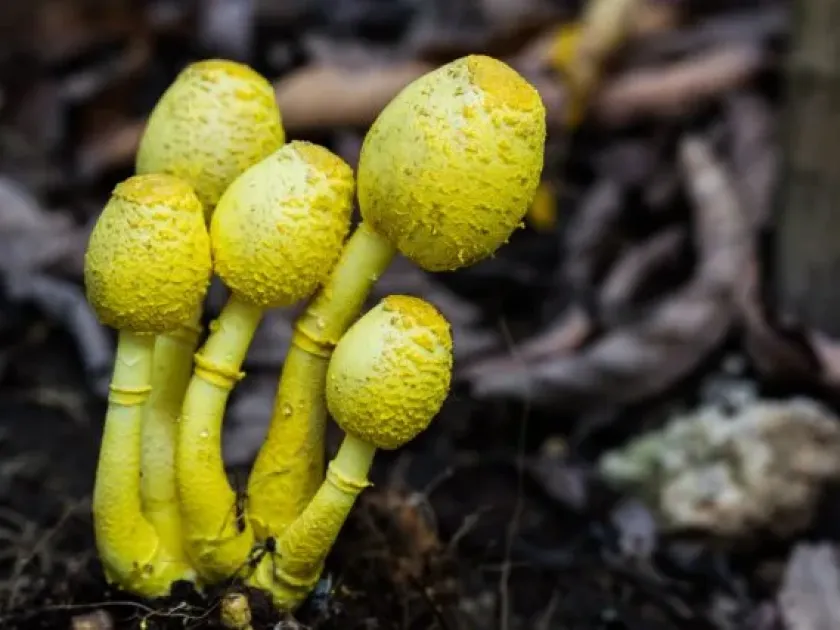
Description
Symptoms
Early symptoms of infection by these fungi are often subtle, frequently manifesting as general decline, chlorosis, or unexpected wilting of the host plant.
Root system analysis usually reveals necrosis, darkening of roots, and a reduction in the volume of the root mass, affecting water and nutrient uptake.
Stems or trunks may show localized areas of softening or wood decay, sometimes accompanied by a characteristic white, felt-like fungal mat under moist conditions.
In advanced stages, the reproductive structures of the fungus may appear on the surface of the plant or its roots, confirming the degradation of the vascular tissues.
Stunted growth is a common indicator of a prolonged subterranean attack, which often leads to the eventual collapse of the crop under external environmental stress.
Pathogen
Sistotremataceae is a diverse family of basidiomycete fungi, encompassing several species that act as significant decomposers and, occasionally, as opportunistic plant pathogens.
These fungi produce mycelial structures capable of secreting specialized enzymes, such as cellulases, which break down plant cell wall components like cellulose and lignin.
The life cycle typically involves the production of basidiocarps, which vary significantly in morphology, ranging from poroid to smooth surfaces, often found on decaying organic matter.
While many species are saprotrophs, some can transition into a parasitic phase when plants are under stress, poor health, or have sustained physical damage.
The biological nature of Sistotremataceae makes them persistent in agricultural environments, especially where organic waste accumulation is poorly managed.
Conditions for development
High moisture levels in the soil are a critical factor that facilitates the rapid spread of spores and the subsequent colonization of host plant tissues.
Temperatures ranging from 15°C to 25°C provide an ideal biological window for the vegetative growth and proliferation of Sistotremataceae species.
Poor soil drainage and low aeration contribute significantly to the susceptibility of crops, as roots become stressed and more vulnerable to infection.
Accumulation of dead organic material, such as crop residues or decaying stumps, provides a perfect substrate for the fungus to establish its primary inoculum.
Frequent mechanical injuries caused by cultivation tools or pests create entry points that allow the fungus to infect plants that might otherwise be resistant.
Why it matters
The primary damage caused by Sistotremataceae involves the destruction of the vascular system, leading to impaired nutrient transport and eventual plant death.
Reduced crop vigor leads to significantly lower yields and poor market quality of the produce, which is a major concern for commercial agricultural operations.
Infection compromises the structural integrity of crops, making them susceptible to lodging and secondary infections by other aggressive plant pathogens.
In woody perennial species, the damage to the root system and stem base can result in long-term mortality, causing substantial financial losses for growers.
The economic impact is exacerbated by the cost of intensive management practices required to mitigate the fungus and reclaim affected plots of land.
Protection
Integrated pest management remains the most effective approach, starting with the use of certified healthy planting material to avoid introducing the fungus.
Field hygiene is essential; removing crop residues and ensuring proper sanitation reduces the inoculum level in the soil significantly.
Improving soil structure and water management practices helps maintain plant vigor, making them naturally more resilient to fungal attacks.
- Regularly cleaning and disinfecting tools to prevent cross-contamination.
- Implementing diverse crop rotation cycles to disrupt the pathogen life cycle.
- Applying biological fungicides that act as natural competitors to the fungi.
Chemical control involving systemic fungicides may be necessary during early growth stages if environmental conditions are highly conducive to fungal infection.
Discussion
No discussions yet — be the first.