
Siphoviridae
Siphoviridae
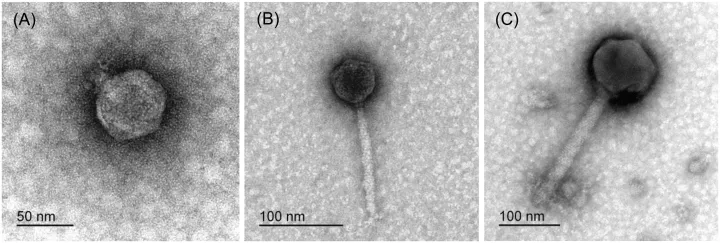
Description
Pathogen
Siphoviridae is a family of viruses categorized as bacteriophages, characterized by their non-contractile, long tails and icosahedral heads. They are fundamental players in the regulation of microbial communities within agricultural soils and plant-associated environments.
The viral structure facilitates the injection of linear double-stranded DNA into the host bacterium. In agriculture, these viruses act primarily as natural regulators, interacting with various soil and rhizosphere bacteria that influence plant growth.
Unlike viral pathogens that infect crops, Siphoviridae focus on prokaryotic hosts. However, their impact is indirect yet profound, as they can significantly shift the composition of microbial communities surrounding root systems.
Biological interactions involving Siphoviridae are diverse; they can either suppress beneficial bacteria or, conversely, help manage populations of bacterial pathogens, acting as potential agents for biological control.
Advanced agricultural research is currently investigating the genomic stability of these phages to better predict their interactions with fertilizers and biological pesticides in diverse farming environments.
Conditions for development
Environmental conditions such as soil moisture and temperature are critical factors for Siphoviridae proliferation. Adequate hydration allows for the physical movement of viral particles toward their bacterial targets within the soil matrix.
Moderate temperatures ranging from 20°C to 28°C support active replication cycles, leading to high viral titers in fields characterized by intensive bacterial growth and high organic matter content.
Soil chemical characteristics, particularly pH levels, influence the integrity of the viral protein coat. Environments that deviate from the optimal neutral range can deactivate viral particles, limiting their spread.
The availability of nutrient-rich organic material promotes the development of thick bacterial biofilms, which serve as ideal replication hubs for Siphoviridae, enabling them to persist throughout the growing season.
Sunlight exposure and high UV radiation are detrimental to these viruses, effectively neutralizing them on leaf surfaces and concentrating their activity within the root zone and the upper layers of protected soil.
Why it matters
The primary concern regarding Siphoviridae in agriculture is their negative impact on the efficacy of biological control agents. When these viruses target applied beneficial bacteria, they can render soil inoculants or biopesticides completely useless.
By lysing populations of beneficial bacteria, such as nitrogen-fixing or phosphate-solubilizing strains, these viruses indirectly limit plant nutrient uptake, which results in stunted growth and lower crop yields.
Disruption of the soil microbial equilibrium can lead to the proliferation of secondary pathogens that fill the ecological niche left by the suppressed beneficial bacterial community.
Economic damage stems from the necessity of repeated applications of bio-inputs to compensate for the biological losses caused by phage activity, increasing production costs and reducing profitability.
In greenhouses and vertical farms, the high density of specific microbial populations can lead to rapid phage spread, potentially causing total failure of integrated pest management (IPM) strategies reliant on microbial synergy.
Protection
Strategic management involves promoting a diverse soil ecosystem to prevent the dominance of a single bacterial host, which in turn reduces the likelihood of catastrophic phage outbreaks.
Using complex microbial consortia instead of single-strain inoculants is highly recommended to ensure that even if one population is suppressed by Siphoviridae, others remain functional to support plant development.
Crop rotation and the incorporation of green manures help in modulating the microbial community composition, disrupting the life cycles of specific bacteriophages and maintaining overall soil health.
Farmers should minimize the use of broad-spectrum chemical agents that sterilize soil, as such practices often impede the natural resilience of the microbiome, leaving it vulnerable to drastic shifts caused by phage infections.
- Utilize multi-strain biological products.
- Monitor soil health through microbial assays.
- Optimize irrigation to maintain soil structure.
- Encourage biodiversity through organic amendments.
Discussion
No discussions yet — be the first.