
Sequiviruses
Sequiviridae
Description
Symptoms
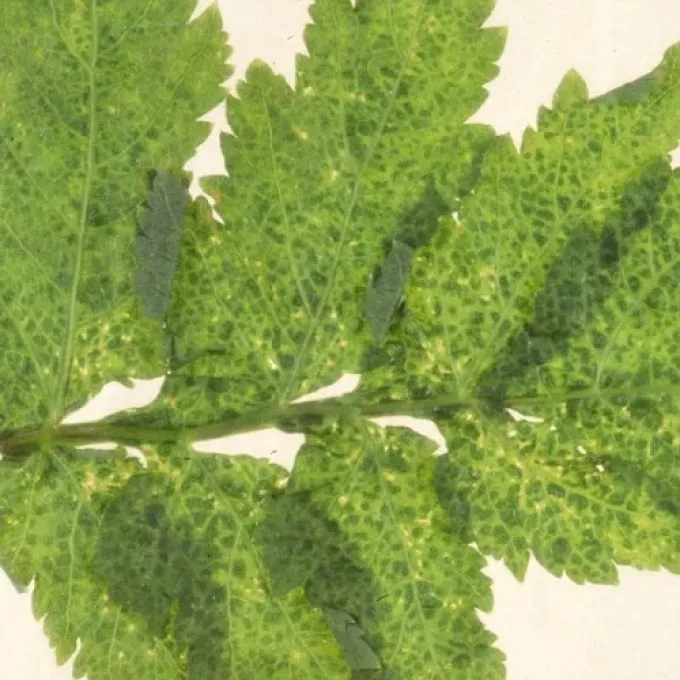
Symptoms of Sequiviridae infection typically manifest as systemic chlorosis, resulting in yellowing or orange discoloration of leaves.
Significant stunting is a hallmark of the disease, with infected plants exhibiting reduced height and stunted growth compared to healthy ones.
Leaf morphology may change, characterized by curling, wrinkling, or a reduction in overall leaf area, which limits photosynthetic efficiency.
In cereal crops, the disease often results in reduced panicle size and poor grain filling, leading to high levels of empty grains.
Symptom severity is heavily dependent on the plant's age at the time of infection and the specific virus strain present in the environment.
Pathogen
Sequiviruses (family Sequiviridae) are a group of plant-pathogenic viruses with a positive-sense single-stranded RNA genome enclosed in an icosahedral capsid.
The genome structure is unique, being composed of two distinct RNA segments, which is a defining characteristic of this viral family.
These viruses lack a lipid envelope, making them structurally stable in the environment and facilitating their transmission via specialized vectors.
The most notable member of this group is the Rice tungro spherical virus, which causes severe agricultural damage in rice-growing regions.
Replication occurs within the plant's cytoplasm, where the virus hijacks the host's cellular machinery to replicate its genetic material and synthesize proteins.
Conditions for development
Transmission of these viruses relies entirely on insect vectors, such as leafhoppers or aphids, which carry the virus in a non-persistent or semi-persistent manner.
Environmental conditions that favor the rapid reproduction and migration of vectors directly influence the incidence and spread of the disease.
Agricultural practices, such as continuous cropping and the presence of reservoir weeds, provide a persistent environment for the virus throughout the year.
Higher temperatures generally accelerate the metabolic activity of vectors, leading to increased frequency of feeding and viral transmission to crops.
Planting time management is crucial; crops planted during peak vector activity are at the highest risk of catastrophic infection rates.
Why it matters
The economic impact of sequiviruses is significant, often resulting in widespread yield loss due to reduced plant vigor and crop failure.
Infected crops show physiological degradation, including impaired nutrient uptake and disturbed metabolic pathways for sugar accumulation.
The reduction in grain quality and quantity significantly impacts market value and farm profitability, particularly in regions prone to outbreaks.
Secondary infections, including fungal diseases, are more likely to colonize weakened, virus-infected plants, complicating overall field management.
The risk of viral spread to neighboring fields necessitates strict management practices, as individual field control is often insufficient.
Protection
Integrated pest management (IPM) is essential for controlling sequiviruses, primarily focusing on managing the insect vector populations.
Systemic insecticides applied as seed treatments or early-season sprays can significantly reduce early-stage infection risk.
Breeding and planting resistant or tolerant crop varieties is the most sustainable and long-term strategy for minimizing crop loss.
Field sanitation, including the removal of weeds that act as alternative hosts, is critical to limiting the primary sources of viral inoculum.
Regional coordination in planting schedules helps synchronize crops to avoid exposure during periods of high vector density and migratory activity.
Discussion
No discussions yet — be the first.