
Septoria leaf spot of cornel
Septoria cornicola
Description
Symptoms
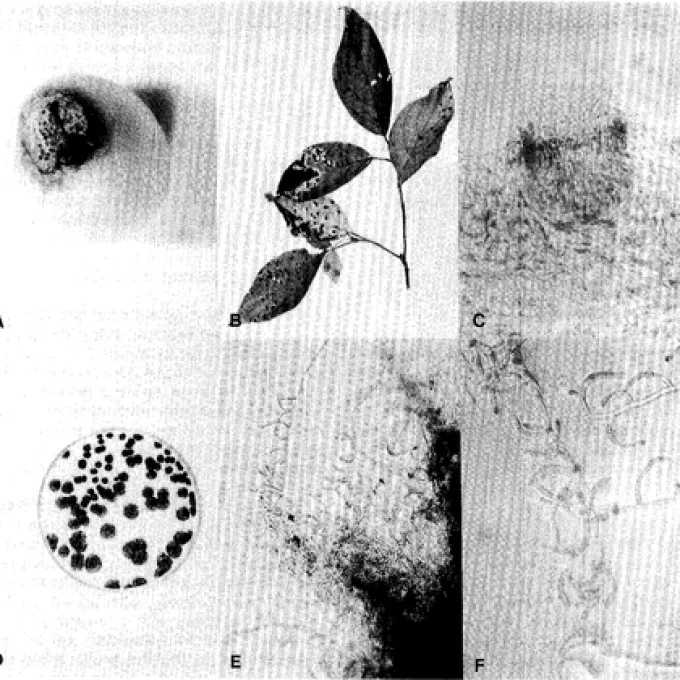
The first signs of the disease appear as small rounded spots on the upper side of the leaves. Initially, they have a yellowish or light brown hue with a dark border.
As the disease progresses, the spots increase in size, developing a gray or brown center. A red-brown or purple halo often forms around the necrotic zone, which is a characteristic diagnostic feature.
On the surface of the spots, most often in their central part, one can notice small black dots — these are the pycnidia of the fungus. Their presence allows for easy differentiation of Septoria from other types of leaf spots.
With severe infection, the spots merge, covering a significant area of the leaf blade. The leaves begin to turn yellow and wither prematurely, leading to mass leaf drop as early as mid-summer.
- Appearance of rounded spots with a dark border
- Development of black pycnidia in the center of necroses
- Yellowing and deformation of the leaf blade
- Premature leaf fall during the growing season
Pathogen
The causative agent of this disease is the imperfect fungus Septoria cornicola. This pathogen belongs to the class of deuteromycetes and specializes in infecting plant tissues of the Cornaceae family.
The life cycle of the fungus includes the formation of pycnidia, which develop within the affected plant tissues. It is in these structures that spores mature, ensuring the spread of the infection.
The pathogen survives the winter in fallen leaves and on plant debris. With the onset of spring warmth, the spores are spread by wind, rain splashes, or insects to young shoots and leaves.
The fungus primarily affects the leaf tissue, but in cases of severe infestation, it can affect leaf petioles and young non-woody shoots, which significantly weakens the plant.
Systematically, Septoria cornicola is a highly specialized parasite adapted to the biological characteristics of Cornus mas and related species.
Conditions for development
The development of Septoria leaf spot is closely linked to environmental humidity. Rainy weather, fog, and heavy dew create ideal conditions for spore germination and penetration into plant tissues.
Crowded plantings where air circulation is hindered suffer from fungal infections much more frequently. Lack of proper ventilation helps maintain high humidity within the canopy.
The optimal temperature for active mycelial growth is between +18 and +25 degrees Celsius. It is during this period that massive infection of young leaves occurs.
Weakened plants that experience a lack of mineral nutrition or suffer from soil moisture deficits have a reduced immune system and are more susceptible to pathogen infection.
Poor agricultural practices, such as improper irrigation (overhead watering in the evening), also trigger disease outbreaks in the garden.
Why it matters
The main danger of Septoria is the premature disruption of the plant's photosynthetic activity. The loss of a significant portion of leaves deprives the dogwood of energy reserves.
As a result of foliage damage, the process of forming flower buds for the following year is impaired, leading to a sharp decline in yield and smaller fruit size.
Weakened trees withstand winter cold more poorly. The affected wood and weakened root system become more susceptible to frost and secondary infections.
In nurseries, this disease can lead to the death of seedlings or the loss of their commercial appeal, making them unsuitable for sale and permanent planting.
Chronic annual recurrence of the disease leads to the gradual degradation of the plant, shortening its lifespan, and reducing its aesthetic value in landscape design.
Protection
Sanitary garden maintenance is the primary task. It is necessary to regularly collect and burn fallen leaves, as they serve as the main source of infection.
To prevent the spread of the disease, annual formative pruning should be carried out, ensuring good air permeability and light penetration into the dogwood canopy.
Upon detection of initial symptoms, the use of copper-based preparations is recommended. Copper fungicides effectively inhibit pycnidia development and spore spread.
During the active growing season, systemic broad-spectrum fungicides can be used, while strictly adhering to dosage and pre-harvest intervals.
An important element of prevention is maintaining a high level of agrotechnology: applying balanced fertilizers and timely irrigation help the plant develop natural resistance to pathogens.
Discussion
No discussions yet — be the first.