
Saccharomycetales
Saccharomycetales
Description
Symptoms
The most prominent sign of Saccharomycetales infestation is a distinct, pungent alcoholic or sour aroma emanating from the affected fruits. This indicates that fermentation is actively occurring.
Visually, affected fruit shows soft, water-soaked spots. Unlike bacterial rot, the surface may sometimes exhibit a bubbling effect due to the release of carbon dioxide gas during the fermentation process.
A thin, whitish or creamy film may develop on the fruit surface, representing massive yeast colony growth. Over time, the color of this film may shift toward yellow or pinkish tones depending on the specific yeast strain.
Internally, the fruit tissue becomes mushy and loses its structural integrity. The juices within the fruit often become cloudy and show an increase in acidity due to the metabolic activity of the yeast.
Symptoms are most visible around skin breaches caused by weather conditions, such as cracking due to excessive moisture, or physical injuries inflicted by pests like fruit flies or wasps.
Pathogen
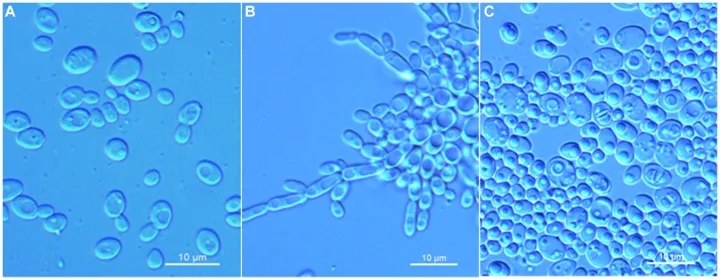
Saccharomycetales is an order of fungi that includes various yeasts. In agricultural contexts, these organisms are known for causing the fermentation and spoilage of succulent fruits and berries, acting as opportunistic saprotrophs.
These unicellular fungi reproduce by budding and are highly active during the fruit maturation phase. They thrive in environments where the concentration of soluble sugars is high, providing an ideal substrate for their metabolism.
Saccharomycetales do not typically infect healthy plant tissues directly. Instead, they exploit micro-wounds, insect bites, or cracks in the skin to enter the fruit and colonize the sugary interior.
The spread of these fungi occurs through wind, water, and, most notably, insect vectors. Once they reach a wounded fruit, they multiply rapidly, breaking down complex sugars into simple compounds, resulting in fermentation.
Their biological presence is often associated with the production of volatile compounds, which change the chemical profile of the fruit and effectively render it unfit for consumption or storage.
Conditions for development
High sugar content in fruit is the primary driver for the colonization of Saccharomycetales. Cultivars with high brix levels are significantly more susceptible to yeast-induced spoilage.
Warm and humid weather conditions are ideal for the development of these yeasts. High ambient temperatures accelerate their metabolic rate, leading to rapid degradation of the harvested product.
Pest pressure is a major contributing factor. Insects that feed on fruit create the necessary openings for yeasts to enter. An uncontrolled pest population almost always leads to a higher incidence of yeast spoilage.
Poor canopy management and excessive foliage density create high-humidity microclimates within the plant, preventing proper drying and encouraging yeast activity on the fruit surface.
Inadequate orchard or field sanitation is another key condition. Leaving fallen fruit on the ground provides a reservoir for yeast populations to persist and spread to healthy fruits via splashing or insect activity.
Why it matters
The main harm caused by Saccharomycetales is the direct reduction of marketable yield. Spoiled fruit loses its aesthetic appeal and nutritional value, leading to significant economic losses for growers.
Fermentation renders the fruit unusable for fresh market sales and processing. Once a fruit has begun to ferment, it cannot be recovered, and it may affect the quality of the surrounding batch.
The presence of yeast colonies often facilitates secondary infections by other pathogens, such as mold or rot-inducing bacteria, which can accelerate the destruction of the crop in storage facilities.
Harvesting becomes more labor-intensive and costly as farmers must carefully sort out infected fruits to prevent the spread of the spoilage to healthy produce during transport and storage.
Farmers face financial risks not only from direct crop loss but also from the lowered shelf life of harvested produce, as even low levels of yeast contamination can shorten post-harvest quality significantly.
Protection
Rigorous sanitation practices are essential. Removing fallen fruit and cleaning up plant debris significantly reduces the inoculum pressure of yeast spores in the field or orchard.
Effective integrated pest management is crucial to minimize fruit skin damage. By controlling insects that pierce fruit, farmers effectively close the doors to yeast infection.
Implementing proper pruning techniques improves air circulation through the canopy. This reduces humidity levels around the fruit, making the environment much less favorable for yeast development.
Harvesting during dry weather conditions and handling fruit with extreme care to avoid mechanical damage helps maintain the integrity of the fruit skin, which is the best natural defense against yeasts.
Temperature and humidity control in post-harvest storage facilities is vital. Keeping temperatures low inhibits the metabolic activity of any residual yeasts, preserving the quality of the harvested produce for longer.
Discussion
No discussions yet — be the first.