
Saccharina
Saccharina
Description
Symptoms
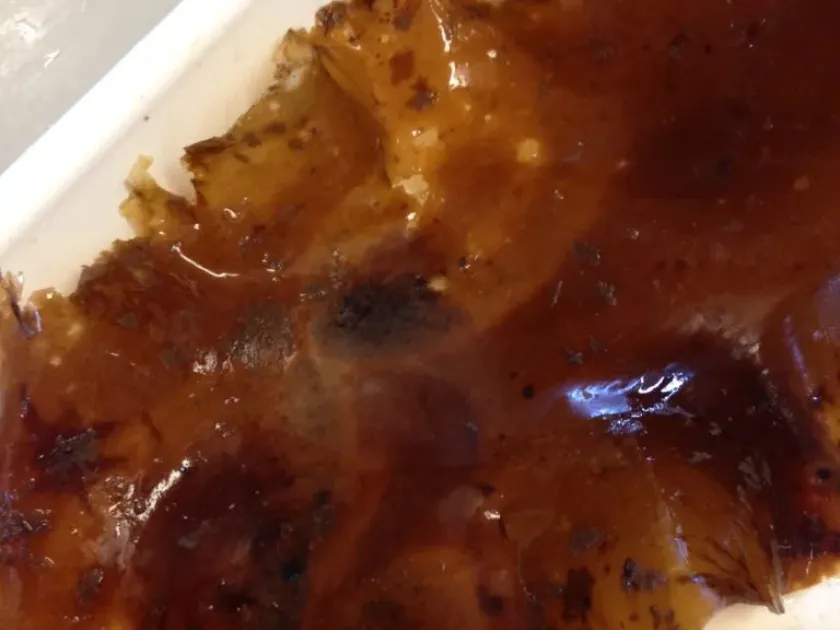
The primary sign of this disease is the appearance of a sticky, glistening substance on the leaves and stems. This exudate is often mistaken for aphid honeydew, but it stems from the plant's internal metabolic dysregulation.
Chlorosis, or yellowing of the foliage, is a frequent symptom observed in the vicinity of the sticky areas. This occurs because the plant loses vital nutrients necessary for chlorophyll production.
Over time, the sugary residue serves as a substrate for sooty mold, which develops as a black, velvety layer on the surface. This further interferes with the plant's ability to undergo photosynthesis.
Affected plants exhibit stunted growth, wilting, and in severe cases, premature senescence of the foliage. The stems may become brittle and deformed as the infection progresses.
- Sticky, syrup-like residue on plant surfaces
- Yellowing (chlorosis) of the leaves
- Formation of dark sooty mold on the surface
- Overall growth retardation and leaf curling
Pathogen
The term Saccharina, when applied in the context of plant diseases, generally refers to conditions characterized by the excretion of sugary substances on plant surfaces, often involving fungal or bacterial agents that interfere with carbon metabolism. While Saccharina is also a genus of kelp, in terrestrial agronomy, it relates to metabolic stress in plants.
The pathogens involved usually disrupt the plant's metabolic pathways, causing an uncontrolled leakage of sugars (sucrose and glucose) from the vascular system or parenchyma cells into the leaf surface. This creates a sticky exudate.
Pathogen transmission typically occurs through windborne spores or through the movement of sap-sucking insects that facilitate the spread of the infection. These agents thrive on the abundant sugars present in the plant tissue.
The disease process involves the degradation of starch reserves, which would normally be utilized for plant growth. Instead, these are redirected into the production of the sticky sugary residue, weakening the plant host.
It is classified as a systemic physiological disorder compounded by microbial activity. Early intervention is crucial to preventing the infection from spreading throughout the entire crop population.
Conditions for development
High humidity levels are the primary environmental driver for this disease. When moisture persists on leaf surfaces due to poor airflow or dew, the conditions become ideal for the rapid colonization of the plant by pathogens.
Nutrient imbalance, particularly excessive nitrogen fertilization, causes rapid, succulent growth that is more susceptible to pathogen penetration. A balanced soil profile is essential for maintaining plant resistance.
Stagnant air in greenhouses or dense planting patterns prevents moisture evaporation. This creates a microclimate that allows the disease to spread rapidly from one plant to another.
Environmental stress, such as temperature fluctuations or insufficient sunlight, can weaken the plant's natural immune response, making it more vulnerable to infection.
The presence of contaminated plant debris or nearby weeds provides a persistent reservoir for the pathogen. Proper field sanitation is required to disrupt the disease cycle.
Why it matters
The most immediate harm is the severe reduction in the aesthetic and commercial value of the produce. Sticky fruits and vegetables are often rejected by consumers and retailers.
Photosynthetic efficiency is significantly impaired due to the presence of sooty mold and physical damage to leaf tissues. This leads to reduced yields and inferior fruit quality.
Weakened plants are far more susceptible to secondary infections, including viral and bacterial diseases that are carried by the insects attracted to the sugary residue.
Economic damage is compounded by the high costs of frequent fungicide applications and the need for rigorous field maintenance to isolate and remove infected plants.
Severe infestations can lead to the death of the crop, especially in younger plants that lack the structural integrity to withstand the combined effects of the infection and stress.
Protection
Systemic fungicides are the most effective way to control the disease. Applications should be performed immediately upon detection of the first sticky spots to prevent widespread contamination.
Sanitation practices, such as removing infected leaves and destroying crop residues, are vital to lowering the disease pressure for the following season. Rotation with non-host crops is recommended.
Ensuring proper ventilation in greenhouses and adequate spacing in open fields are key cultural controls. These measures help keep foliage dry and reduce the likelihood of pathogen development.
Integrated Pest Management (IPM) is necessary to control sap-sucking insects that might be present. Controlling vectors is essential to stopping the spread of the disease within the planting.
Balanced fertilization and regular monitoring of soil health improve the plant's vigor, allowing it to better tolerate stress and potentially resist infection through natural metabolic stability.
Discussion
No discussions yet — be the first.