
Red Algae (Cephaleuros)
Rhodophyta
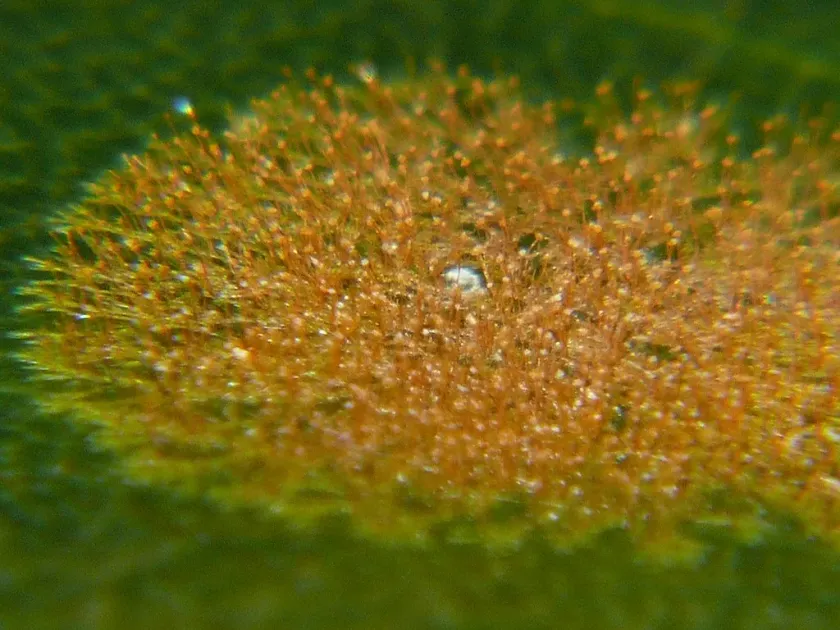
Description
Symptoms
The most recognizable sign is the formation of circular spots on leaves. These spots usually begin as greenish-grey or yellowish areas and eventually turn a characteristic deep orange, reddish-brown, or rusty color.
On stems and branches, the algae appear as raised, velvety, or crust-like patches. These colonies can crack the bark and penetrate the outer layers of the plant, often leading to the formation of small, localized lesions or ulcers.
Severe infestations cause yellowing and necrotic spotting, which leads to premature leaf drop. In high-density plantings or humid environments, the merging of these spots can significantly reduce the photosynthetic surface of the plant.
Fruits may also be affected, showing discolored, rough, or raised spots. This condition significantly impacts the cosmetic quality of the harvest, making produce less marketable for fresh consumption.
Stunted growth of infected twigs is a common sign of chronic infection. The accumulation of algal colonies on the bark disrupts the normal exchange of gases and moisture, leading to the gradual dieback of affected twigs.
Pathogen
The disease is caused by parasitic algae belonging to the genus Cephaleuros, most notably Cephaleuros virescens. These organisms are members of the Trentepohliaceae family and are known for their semi-parasitic lifestyle on terrestrial plants.
Unlike aquatic algae, these species have adapted to land environments by colonizing the surface of leaves, stems, and bark. They utilize the host plant for physical attachment and moisture while potentially extracting nutrients from the epidermal cells.
The pathogen forms a disk-shaped thallus which is visually distinguished by its rust-red or orange coloration. This pigment is a result of carotenoids, which protect the algae from intense sunlight while they inhabit the plant surface.
The life cycle involves the production of zoospores, which are motile and require water to move and infect healthy tissues. This reliance on water for dispersal makes the pathogen particularly active during humid and rainy seasons.
While often grouped with fungal diseases in agronomic texts due to the similar nature of leaf spots, it is important to distinguish them when selecting control methods, as specific fungicides may vary in their efficacy against algal species.
Conditions for development
Red algae thrive in environments with high humidity and frequent rainfall. A relative humidity consistently above 70-80% is the primary driver for the germination and spread of Cephaleuros zoospores.
Shaded areas with poor air circulation provide the perfect microclimate for the algae to establish colonies. Dense tree canopies that remain wet for long periods after rain are particularly vulnerable to widespread infection.
Moderate temperatures ranging between 20°C and 30°C favor the rapid development of the thallus. This is why the disease is highly prevalent in tropical and subtropical regions, as well as in greenhouses with suboptimal ventilation.
Overhead irrigation systems are a significant contributor to the spread of this disease. By continuously wetting the foliage, overhead sprinklers mimic the conditions of a rainy climate, facilitating the movement of spores across the plantation.
Plants under physiological stress, often due to nutrient deficiencies or poor soil drainage, lack the vigor to prevent the colonization of the algae. Healthy plants with intact, robust cuticles are more resistant to initial infections.
Why it matters
The primary impact of red algae is the reduction in photosynthetic area. As the foliage becomes covered with algal spots, the plant's ability to produce energy is diminished, leading to a general decline in health and vitality.
Direct damage to the bark of branches can obstruct vascular pathways, causing the dieback of secondary branches. This long-term stress reduces the lifespan and overall productivity of perennial crops like coffee, citrus, or ornamentals.
Economic losses in the horticultural industry are primarily linked to the loss of aesthetic value. In ornamental plants, even minor infections result in rejection by buyers, while in fruit crops, skin blemishes significantly lower market grades.
The lesions created by the algae act as entry points for opportunistic fungal and bacterial pathogens. These secondary infections can be far more aggressive than the algae itself, potentially leading to the death of major branches.
Chronic infestation weakens the plant's overall system, leaving it more susceptible to other abiotic stresses such as winter cold damage or summer drought. This creates a cycle of decline that is difficult to reverse without intervention.
Protection
Cultural management is the first line of defense. Proper pruning to open up the canopy improves air circulation and sunlight penetration, which helps dry out leaf surfaces quickly, making them inhospitable to the algae.
Transitioning from overhead irrigation to drip irrigation is highly recommended to eliminate unnecessary wetness on the leaves. Keeping the foliage dry is the most effective way to prevent spore germination.
Copper-based fungicides, such as Bordeaux mixture or copper oxychloride, are the standard chemical treatment. These should be applied preventively, especially during seasons with high rainfall, to protect the bark and leaves.
Balanced plant nutrition is crucial for maintaining a strong cuticle. Providing adequate levels of potassium and phosphorus helps the plant resist colonization and enhances its natural recovery mechanisms after infection.
Sanitation practices, including the removal and disposal of heavily infested branches, help reduce the inoculum load in the orchard. Always sterilize pruning tools after working with infected material to prevent cross-contamination.
Discussion
No discussions yet — be the first.