
Potato rough spot
Potato rough
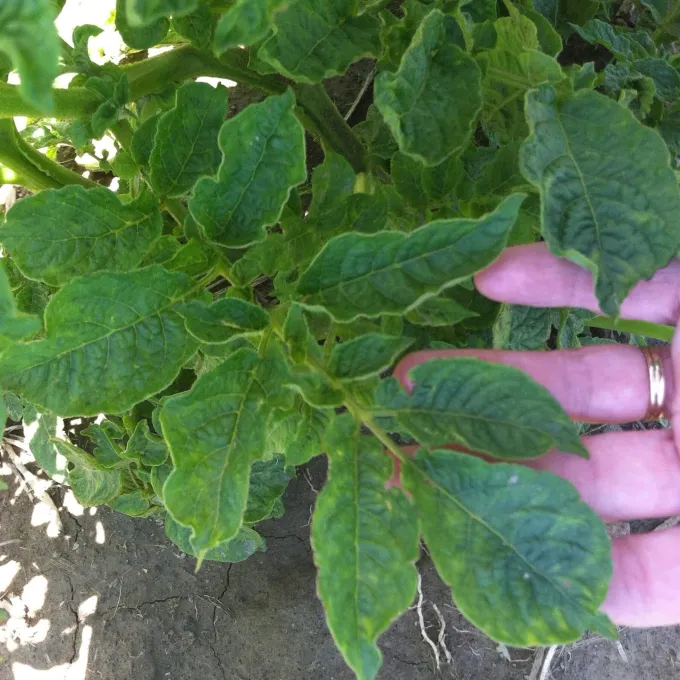
Description
Symptoms
The earliest symptom is the formation of small, dark brown spots on the lower, older leaves. These spots often develop a characteristic concentric pattern that gives them a rough, target-like appearance.
As the disease progresses, these lesions expand and coalesce, leading to significant chlorosis and eventual necrosis of the leaf blade. The rough texture is a diagnostic feature used to distinguish it from other leaf-spotting diseases.
Under humid conditions, the lesions may be covered with a dark, velvety layer of fungal spores. The affected leaves turn yellow, wilt, and eventually drop off, starting from the base of the plant.
Stem lesions occur as brown, elongated spots that can girdle the stem, causing it to become brittle and prone to snapping. This significantly impacts the structural integrity of the potato plant.
Tuber infections manifest as sunken, dark, leathery spots. The internal tissue beneath these spots becomes dry, crumbly, and dark, which is a major quality issue for commercial potato production.
Pathogen
The causative agent of potato rough spot is the fungus Alternaria solani, which is widely known as the primary pathogen responsible for early blight in potatoes. It belongs to the group of deuteromycetes and is characterized by a high degree of survival in various soil conditions.
The fungus overwinters in crop residues, soil, and sometimes on infected tubers. Its primary survival structures are conidia and mycelium, which can remain viable for several seasons, posing a persistent threat to new crops.
The pathogen utilizes a strategy of opportunistic infection, often targeting plants that are stressed or at a mature growth stage. Spores are disseminated through wind currents, water splashing during rain, and irrigation systems.
Infection begins when conidia land on leaf surfaces and penetrate through the stomata or direct damage to the epidermis. Once inside, the fungus secretes toxins that cause localized cell death and tissue necrosis.
The life cycle of Alternaria solani is highly efficient; under favorable conditions, the fungus can produce new crops of conidia within a few days, allowing for rapid colonization of large potato fields.
Conditions for development
Potato rough spot development is heavily dependent on weather conditions. Periods of alternating warm days and cool, humid nights are ideal for the rapid proliferation of the fungal pathogen.
High relative humidity and the presence of free water on leaf surfaces, such as morning dew, are essential for spore germination. Extended periods of rain significantly increase the infection rate.
Nutritional stress is a major predisposing factor. Potatoes that lack adequate potassium or nitrogen fertilizer exhibit lower resistance to Alternaria attacks compared to well-nourished plants.
Poor field management, including high plant density and inadequate aeration, facilitates the disease by creating a humid microclimate. This environment prevents the foliage from drying out quickly after rain.
The disease tends to manifest more severely in early-maturing cultivars or crops that have already begun the senescence process, as the plants' immune systems naturally decline during tuber bulking.
Why it matters
The primary damage caused by potato rough spot is the reduction of the photosynthetic surface area. By killing the leaves prematurely, the fungus prevents the plant from maximizing its tuber yield.
Yield losses can be significant, sometimes reaching 25-50% in untreated fields during severe outbreaks. This reduction is primarily observed in the size and total weight of the harvested tubers.
Tuber quality is severely compromised, as infected potatoes are prone to dry rot during storage. These tubers are often discarded, leading to substantial post-harvest financial losses for farmers.
The disease reduces the starch content of the potatoes, lowering their culinary value and processing quality. This makes the harvest unsuitable for the crisping or potato chip industry.
Increased operational costs arise from the need for frequent fungicide applications. These inputs, combined with potential crop failure, make potato rough spot a major concern for intensive agriculture.
Protection
Effective management begins with rigorous crop rotation practices. Avoiding the cultivation of potatoes or other solanaceous crops in the same field for at least three years is vital to reduce soil inoculum.
Sanitation is key; all infected plant debris must be removed or buried deeply through plowing to prevent the fungus from surviving until the next planting season. Proper disposal of cull piles is also required.
Choosing resistant or tolerant potato varieties is the most sustainable approach to long-term control. Modern breeding programs prioritize lines that exhibit slower lesion progression and higher general immunity.
Fungicide application is necessary in regions with high disease pressure. Preventive sprays should be applied starting early in the season, particularly during periods of humid, warm weather.
- Maintaining optimal plant spacing for better air circulation.
- Balanced fertilization to prevent plant stress.
- Using certified disease-free seed potatoes.
- Regular field scouting to detect early infection.
Discussion
No discussions yet — be the first.