
Pink mold
Pocheina rosea
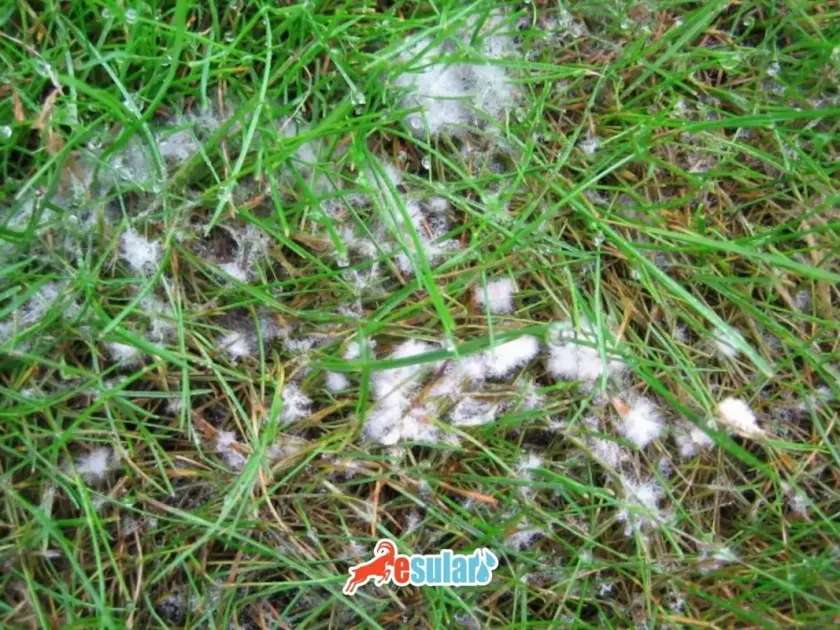
Description
Symptoms
The earliest signs of the disease are white or pale pink fuzzy patches appearing on fruit surfaces, stems, or leaves. As the fungus matures, these patches turn deep pink or salmon-colored, reflecting the massive production of conidia.
Below the fungal growth, the host tissue softens significantly, leading to rapid decay. Unlike bacterial rot, this disease often exhibits a characteristic "cushion-like" appearance of mycelium, which is a diagnostic feature under magnification.
In fruits like tomatoes or apples, the lesion spreads until the entire specimen is affected. The internal pulp becomes watery and discolored, eventually losing all structural integrity as the fungal hyphae penetrate deep into the tissue.
Early identification is crucial for effective management. If the pinkish growth is detected at an early stage, removing the infected plant part can prevent the spread of spores to healthy portions of the crop.
In storage conditions, the infection can progress silently beneath the skin of the fruit before breaking through. Once the pink mold becomes visible, it often indicates that surrounding fruits have already been contaminated by spores.
Pathogen
The causal agent of this disease is the fungus Pocheina rosea (formerly classified as Trichothecium roseum). This microorganism is primarily a saprophyte, but it acts as an opportunistic pathogen when plant tissues are weakened or mechanically damaged.
The fungus reproduces via conidia, which are easily dispersed by air currents, water splashes, and insect vectors. High reproductive capacity allows Pocheina rosea to rapidly colonize vulnerable tissues during the growing season.
A significant biological concern with this fungus is its ability to produce secondary metabolites, specifically trichothecene mycotoxins. These toxic compounds render infected plant products hazardous to both human and animal health.
The pathogen thrives on wounds caused by pests, sunburn, or frost damage. It rarely penetrates healthy, intact plant cuticles, highlighting the importance of physical plant integrity in disease prevention.
In greenhouses and storage facilities, the fungus survives on decaying plant debris, structural surfaces, and equipment. Rigorous sanitation is essential to eradicate resting structures and prevent re-infection in subsequent seasons.
Conditions for development
High relative humidity is the primary driver for Pocheina rosea outbreaks. Humidity levels exceeding 85–90 percent create the perfect environment for spore germination and rapid mycelial colonization of plant tissues.
Optimal temperatures for the fungus range between +20°C and +25°C. However, it remains metabolically active at lower temperatures, making it a persistent threat in cold storage facilities if humidity is not managed correctly.
Poor ventilation and high-density planting are critical environmental factors. These conditions facilitate stagnant air pockets and moisture accumulation on leaf surfaces, providing the necessary moisture for the pathogen to thrive.
Physical injuries serve as entry points for the fungus. Any damage from insect feeding, harvesting tools, or environmental stress creates a gateway for infection, as the spores exploit these openings to bypass natural plant defenses.
Improper storage management, such as stacking fruits in damp or poorly aerated containers, leads to rapid disease spread. The accumulation of moisture within storage crates often triggers severe outbreaks of pink mold.
Why it matters
The direct impact of pink mold is the total loss of marketability of the affected crop. Infected produce cannot be sold or processed, resulting in significant financial losses for farmers and horticultural businesses.
Post-harvest losses can be catastrophic if the infection goes unnoticed. A single contaminated fruit in a storage container can quickly spread the mold to adjacent healthy produce, leading to the loss of entire shipments.
Beyond physical decay, the presence of mycotoxins makes the crop dangerous for consumption. Regulatory standards often require the disposal of affected batches to prevent toxic residues from entering the food supply chain.
When the disease strikes in nurseries, it can lead to seedling damping-off and poor stand establishment. This requires additional investments in labor and seed to replant areas affected by the pathogen.
The aesthetic degradation of the produce reduces its perceived value. Even minor surface growth results in rejection by retailers and consumers, leading to high sorting costs and reduced revenue for the agricultural operation.
Protection
Sanitation is the cornerstone of Pocheina rosea management. Growers must remove and dispose of all infected plant debris to eliminate the primary sources of fungal inoculum in the field and storage areas.
Integrated pest management (IPM) is essential to minimize wounds that allow fungal entry. Controlling insects such as thrips and borers helps maintain the physical integrity of the plant, preventing the pathogen from taking hold.
Environmental control in greenhouses involves regular ventilation to manage humidity. Preventing condensation on plant surfaces is the most effective way to inhibit spore germination and limit the development of the mold.
Preventative fungicide applications may be necessary in high-risk environments. Using broad-spectrum or copper-based fungicides helps protect fruits from colonization, especially during periods of high humidity or following storm damage.
Careful harvesting practices are vital to prevent skin abrasions. Using sanitized containers and maintaining appropriate airflow and low humidity in cold storage units effectively prevents the mold from spreading during the post-harvest phase.
Discussion
No discussions yet — be the first.