
Lecanoromycetes
Lecanoromycetes
Description
Symptoms
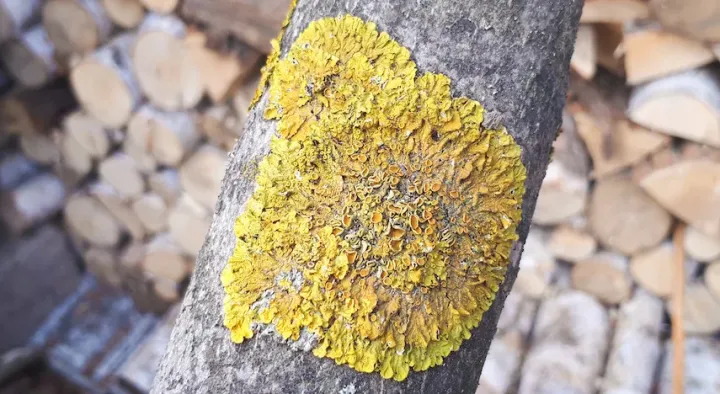
The visual presence of Lecanoromycetes is marked by colorful, crust-like, or leafy growths on the trunks and branches of trees. Their appearance can vary significantly in texture and color.
Common colors include shades of gray, green, yellow, and brown. They are often confused with bark diseases, but their structure is typically dry and crusty during dry weather, becoming soft when wet.
These growths are usually found on the shaded, northern sides of trunks where moisture levels are consistently higher. They tend to form patches that expand slowly over several years.
An easy identification check is to gently scrape the growth away. If the bark underneath is intact, firm, and shows no signs of rot or discoloration, it is almost certainly a lichen rather than a pathogen.
Unlike parasitic fungi that produce soft rot or lesions, lichen patches usually remain superficial and do not exude sap or cause structural weakening of the wood.
Pathogen
Lecanoromycetes constitute the largest class of fungi within the Ascomycota division, and most species exist as lichens. In horticultural terms, they are not pathogenic diseases and do not cause necrotic damage to plant tissues.
These organisms are a symbiotic association between a fungus and algae. They inhabit tree bark strictly as a substrate for attachment, using it as a physical anchor rather than a food source.
While often mistaken for harmful fungi, they do not infiltrate the vascular system of the tree. Their presence is primarily associated with the aging of the bark or a decline in the tree's vigor.
Biologically, these organisms are categorized as epiphytes. They are highly resilient and capable of colonizing surfaces that are not actively growing or are sufficiently humid.
From a phytopathological perspective, Lecanoromycetes are generally considered harmless to the overall productivity of the plant, provided the tree's underlying health is managed correctly.
Conditions for development
High humidity is the primary catalyst for the development of Lecanoromycetes. Orchards with poor airflow, dense canopies, and persistent moisture are prone to colonization.
Stagnant air and low light levels reaching the trunk create an ideal microclimate for these epiphytes. This is why they are more common in overgrown or neglected gardens.
The texture of the bark is also a critical factor. Older trees with deeply fissured, exfoliating bark provide many sheltered niches where spores can easily trap moisture and begin to grow.
A decline in the tree's metabolic activity, often linked to age or nutrient deficiency, slows down the renewal of the bark surface, allowing lichen colonies to establish themselves more permanently.
Environmental cleanliness also plays a role, as certain species of Lecanoromycetes are highly sensitive to air pollution and will not thrive in areas with poor air quality.
Why it matters
While not a disease itself, the heavy accumulation of lichens can cause indirect harm. The most significant issue is that these colonies provide excellent hiding places for orchard pests.
Insects such as mites, scale insects, and aphid eggs often find shelter under the layers of lichen, where they are protected from predators and insecticide sprays.
Dense lichen coverage may slightly restrict gas exchange through the bark's lenticels, which, in extreme cases of total coverage, might interfere with the tree's respiratory processes.
The presence of lichens often obscures the symptoms of true tree diseases. An observant gardener might miss the early stages of bark cancer or necrotic lesions masked by a layer of lichen.
For commercial orchards or nurseries, the aesthetic impact of lichen growth can be a concern, as it often signals a lack of professional maintenance and can lower the market appeal of the trees.
Protection
The most effective method of control is mechanical cleaning. Carefully scraping off the lichen with a blunt tool or a firm brush during the dormant season removes the growth without damaging the healthy cambium.
Following manual removal, it is advisable to disinfect the bark. Copper-based sprays or lime-sulfur mixtures are commonly used to kill remaining spores and deter new colonization.
White-washing trunks with lime is a traditional and highly effective prophylactic measure. The alkaline environment created by the lime prevents the attachment and growth of lichens.
Improving orchard management is essential for long-term prevention. Regular pruning to thin the canopy increases light penetration and air circulation, creating a less hospitable environment for epiphytes.
Ensuring optimal tree nutrition and hydration encourages the tree to shed old bark more efficiently, which naturally limits the available surface area for lichen establishment.
Discussion
No discussions yet — be the first.