
Soybean anthracnose
Glomerella glycines
Description
Symptoms
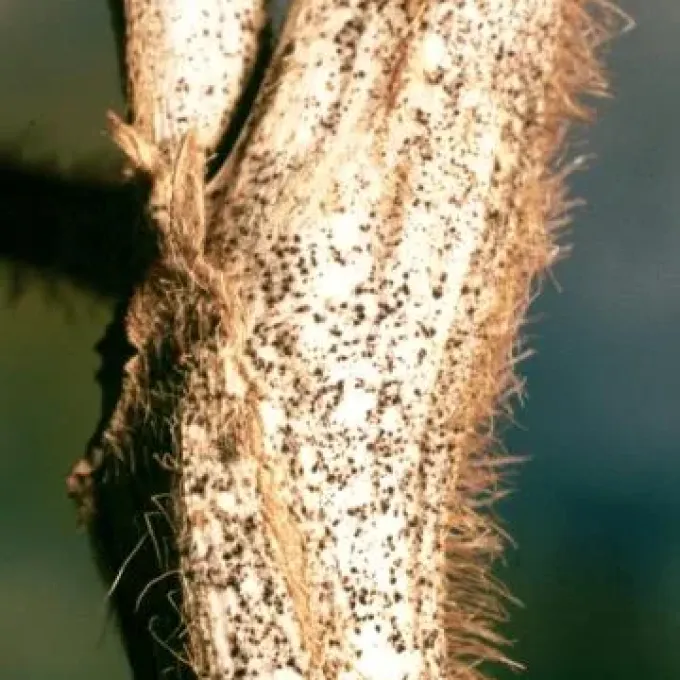
Symptoms usually appear as irregular, brown or black lesions on stems, petioles, and pods. These lesions are often sunken, which is a classic diagnostic feature of the disease.
Under humid conditions, small black fruiting bodies called acervuli emerge within the lesions, often bearing tiny, hair-like structures known as setae. These appear as small black dots to the naked eye.
Infected leaves may yellow, curl, and drop prematurely, which reduces the photosynthetic capacity of the plant. Severe stem infections can cause the plant to lodge or break.
Pod infection results in the formation of dark spots and can lead to pod shriveling. The seeds inside are often stunted, discolored, or completely absent, significantly impacting the grain quality.
- Sunken dark lesions on stems and pods
- Presence of acervuli with setae
- Leaf yellowing and premature defoliation
- Pod distortion and reduced seed size
- Seed shriveling and poor viability
Pathogen
Soybean anthracnose is caused by the fungal pathogen Glomerella glycines (anamorph: Colletotrichum truncatum). It is a significant disease affecting soybean production globally, especially in warm and humid regions.
The fungus survives in infected crop debris, soil, and seeds. It initiates the infection cycle during germination or through the splash of conidia from the soil surface onto the lower leaves and stems.
Conidia are dispersed primarily by rain splashes, wind, and insects, facilitating the rapid spread of the pathogen throughout the canopy. The fungus is capable of infecting all parts of the soybean plant, including roots, stems, pods, and leaves.
This pathogen demonstrates high variability and can adapt to different environmental conditions. It remains viable for extended periods, making long-term soil management a challenge for farmers.
Biological studies show that the fungus penetrates the host tissues directly through cuticle degradation or by utilizing natural openings like stomata, causing localized cell death.
Conditions for development
Anthracnose development is highly favored by warm temperatures, typically between 22°C and 28°C, and high relative humidity. Frequent rainfall and persistent dew provide the water necessary for spore germination.
Dense soybean canopies restrict airflow, leading to microclimates that retain moisture for longer periods, thereby increasing the risk of infection. The period from flowering through pod filling is the most critical stage for infection.
Poor agricultural practices, such as failing to rotate crops or leaving surface residues, significantly increase the inoculum load. Infected seeds serve as the primary source of early-season outbreaks.
Stress factors, including nutrient deficiencies or insect feeding, weaken the plant's natural defenses, allowing the fungus to colonize tissues more aggressively. Weed hosts can also contribute to the pathogen's persistence.
Effective management requires monitoring the weather patterns, as prolonged rainy spells during the reproductive stages are a strong indicator of potential disease pressure.
Why it matters
Soybean anthracnose causes significant yield losses, often ranging from 10% to 30%. In severe cases, where environmental conditions are optimal for the fungus, losses can be much higher.
The disease reduces both grain quantity and quality. Shriveled seeds have low germination rates, leading to poor stands in the following season and economic losses for seed producers.
Stem lesions weaken the structural integrity of the plant, leading to lodging, which complicates harvesting and increases mechanical loss during the field operation.
Reduced protein and oil content in harvested seeds affect the market value of the crop. The presence of moldy seeds may also lead to rejection or discounting at grain elevators.
Overall, the disease impacts the entire growth cycle, resulting in reduced vegetative growth, lower pod counts, and lighter seed weight, ultimately affecting the producer's profitability.
Protection
The primary control strategy involves the use of high-quality, fungicide-treated certified seeds. This helps eliminate seed-borne inoculum and ensures a healthy start for the seedlings.
Crop rotation remains the most effective cultural practice. Rotating soybeans with non-host crops like corn or wheat for at least 3 years reduces the pathogen population in the soil.
Tillage practices that promote the decomposition of soybean residues can reduce the amount of inoculum available for the next cycle. Controlling weeds helps improve airflow and reduces moisture retention.
Fungicide application during the R1 (flowering) to R3 (pod initiation) growth stages is recommended in high-risk environments. Effective classes include triazoles, strobilurins, and SDHIs.
Selecting resistant or tolerant soybean varieties is essential for integrated disease management. Scouting fields regularly allows for timely intervention if symptoms appear during the growing season.
Discussion
No discussions yet — be the first.