
Fusarium root rot
Fusarium roseum
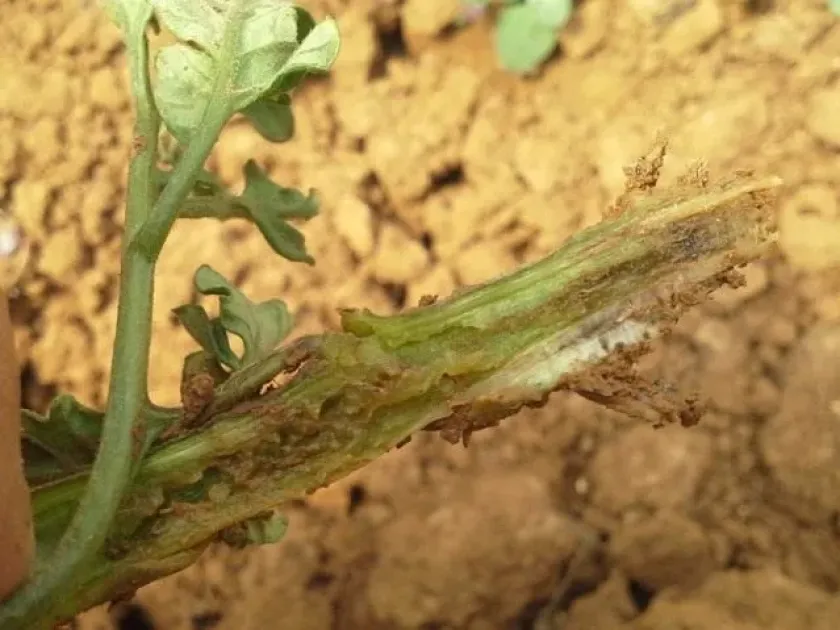
Description
Symptoms
Symptoms of Fusarium root rot often begin with the yellowing and wilting of lower leaves, as the root system loses its functionality. Upon closer inspection, the roots appear brown, decayed, and necrotic, often covered with a whitish or pinkish fungal mycelium.
In cereal crops, the disease frequently manifests as foot rot, where the base of the stem turns dark brown. This weakening of the stem base can lead to lodging, where the crop falls over before harvest, resulting in significant yield losses.
When the pathogen infects the ear or spike of the plant, it creates a characteristic pinkish-orange powdery coating of spores. Grains in these infected heads often appear shriveled, discolored, and possess very low germination rates.
Internally, the vascular tissues of the stem show significant browning or blackening. This structural damage prevents the plant from maintaining its turgor pressure, leading to stunted growth and premature death of the affected individual plants.
The disease often appears in patches across a field. These areas contain plants that are visibly smaller than their healthy counterparts, displaying premature senescence and poor development of the reproductive organs.
Pathogen
The causal agent of this disease is the fungus Fusarium roseum (often associated with Fusarium culmorum), a soil-borne pathogen belonging to the class Hyphomycetes. This fungus is highly persistent and can survive for years in plant debris or as chlamydospores in the soil.
It acts as a facultative parasite, meaning it can survive on decaying organic matter when a host plant is not present. This biological versatility makes it one of the most difficult pathogens to eradicate from agricultural fields entirely.
The fungus produces toxic secondary metabolites known as mycotoxins, such as deoxynivalenol and zearalenone. These toxins pose a significant risk to the health of humans and livestock, as they can persist even after the grain has been processed.
Infection primarily occurs through the root system, entering via natural openings or wounds. Once inside the vascular system, the fungus spreads, disrupting the plant's ability to transport water and essential nutrients from the roots to the upper parts.
The pathogen's life cycle involves the rapid production of conidia under favorable humidity conditions. These spores are easily disseminated by wind, rain splashes, and soil cultivation tools, leading to rapid spread across fields.
Conditions for development
The development of Fusarium roseum is highly favored by moderate temperatures, typically between 15°C and 25°C, coupled with high soil moisture levels. Wet conditions during the early growth stages are particularly conducive to heavy infection.
Poor crop rotation practices significantly increase the risk of disease outbreaks. Continuously planting susceptible crops, such as wheat or corn, allows the pathogen population to build up to dangerous levels in the soil, year after year.
Soil structure plays a critical role in disease severity. Compacted soils with poor drainage maintain excess moisture around the roots, providing an ideal environment for the fungus to penetrate the host tissues effectively.
Nutrient deficiency, particularly a lack of potassium or an imbalance in nitrogen levels, lowers the natural resistance of the crop. Plants under stress are significantly more susceptible to colonization by the fungus than healthy, well-nourished ones.
Furthermore, insect damage to roots or stems creates easy entry points for the pathogen. Once a plant is wounded, the fungus can rapidly colonize the internal tissues, accelerating the infection process regardless of the plant's initial defense status.
Why it matters
The economic impact of Fusarium root rot is substantial, characterized by both yield reduction and quality degradation. In severe cases, the disease can wipe out up to half of the potential harvest, leading to thin and uneven crop stands.
The grain harvested from infected fields often contains high levels of mycotoxins, making it unsuitable for human consumption or animal feed. This leads to direct financial loss as grain may be rejected by processors or require expensive decontamination.
Seed quality is severely compromised, as infected seeds exhibit poor vigor and low germination. This creates a cycle where infected seed is used for the next season, further perpetuating the disease across different fields.
The disease also increases the overall production costs for farmers. Between the need for expensive chemical seed treatments, prophylactic fungicide applications, and grain cleaning, the profit margins for affected crops are drastically reduced.
In addition to direct losses, the weakened plants are less resilient to other environmental stresses. A crop struggling with Fusarium root rot is likely to suffer more from drought, heat waves, or additional pest pressures, compounding the yield losses.
Protection
The most effective strategy for managing Fusarium root rot is the use of high-quality, treated seed. Systemic fungicide seed treatments are essential to protect the vulnerable germinating seedlings from soil-borne inoculums.
Implementing a robust crop rotation plan is crucial. Moving away from susceptible hosts for at least three to four years allows the soil population of the fungus to decline, significantly reducing the disease pressure for future plantings.
Good agronomic practices are vital, including proper soil preparation and the thorough incorporation of crop residues into the soil. This helps stimulate beneficial soil microflora that act as natural antagonists to the Fusarium fungus.
During the growing season, if environmental conditions favor the disease, well-timed foliar fungicide applications can help suppress the spread of the fungus to the upper parts of the plant, particularly the head.
- Selecting crop varieties with natural genetic resistance or tolerance to Fusarium.
- Managing soil pH and nutrient balance to favor strong root development.
- Avoiding waterlogging through proper field drainage and management.
Discussion
No discussions yet — be the first.