
Fusarium paspali
Fusarium paspali
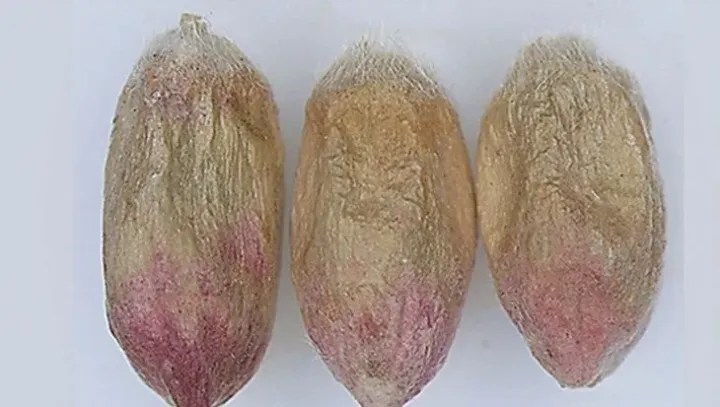
Description
Symptoms
The initial signs of infection include the development of discolored spots on the leaves, which often appear yellowish, tan, or brown. As the disease progresses, these spots expand, causing the leaf tissue to wither and eventually die.
In conditions of high humidity, a characteristic white or pinkish mycelial growth may appear on the affected plant parts. This fungal growth represents the sporulation stage of the pathogen, signaling active spread of the infection.
Stems affected by Fusarium paspali become soft and water-soaked, eventually losing their structural integrity and collapsing. Root rot often accompanies these symptoms, leading to stunted plant growth and overall vitality decline.
Inflorescences of infected Paspalum grasses may show signs of deformation and premature drying. The floral parts can become sterile, significantly impacting the reproductive capacity and seed production of the grass.
- Chlorotic or necrotic leaf patches.
- Pink or white fungal growth during moist weather.
- Softening of stem bases leading to lodging.
- General turf thinning and patch development.
Pathogen
The causative agent of this disease is the microscopic fungus Fusarium paspali. It belongs to the Fusarium genus, a group of fungi well-documented for causing various blights, wilts, and root rots in numerous plant species worldwide.
The primary host for this pathogen is the genus Paspalum. This fungus is specifically adapted to parasitize these warm-season grasses, colonizing both the foliage and the root system under favorable conditions.
The life cycle of Fusarium paspali involves the production of conidia, which serve as the primary inoculum. These spores are easily disseminated by wind, splashing water, or mechanical movement of tools and equipment across a turf area.
The fungus is capable of persisting in the soil or in decaying plant debris for extended periods as mycelium or chlamydospores. This longevity makes it a persistent challenge for turf managers and agronomists.
Biologically, the fungus infiltrates the plant's vascular system, secreting toxins and enzymes that break down cell walls. This interference with nutrient transport leads to the characteristic wilting and necrosis observed in infected hosts.
Conditions for development
Disease development is favored by warm temperatures, typically between 20°C and 25°C, coupled with high relative humidity. Stagnant air and poor airflow within the turf canopy significantly accelerate the spread of the fungus.
Excessive nitrogen application can promote lush, succulent growth that is highly susceptible to fungal attack. Managing nitrogen levels is crucial to maintaining a resistant and healthy turf stand.
Poor soil drainage and constant waterlogging create an anaerobic environment that weakens the grass roots and promotes fungal activity. Ensuring proper drainage is a critical component of disease prevention.
Mechanical injury caused by mowing or heavy traffic creates entry points for the pathogen. Cleaning and disinfecting mowing equipment between sites is essential to prevent the cross-contamination of healthy areas.
The presence of excessive thatch layers provides a food source and shelter for the fungus, allowing it to survive through unfavorable periods. Regular dethatching helps maintain a cleaner, more resilient growing environment.
Why it matters
The impact of this disease is primarily aesthetic for golf courses, sports fields, and residential lawns. The development of patches and thinned turf ruins the uniformity and quality of the surface.
In pasture settings, the presence of Fusarium can reduce overall forage yields and nutritional quality. Moreover, potential mycotoxin production poses health risks to livestock grazing on infested Paspalum.
Infested areas often require expensive fungicide applications to restore turf health and prevent further spread. The cost of chemical treatment and labor significantly impacts maintenance budgets.
Weed encroachment is a common secondary consequence of Fusarium infections, as the weakened grass cannot compete effectively. This leads to long-term degradation of the desired turf species.
The persistence of the pathogen in the soil means that without proper intervention, the disease will likely recur in subsequent growing seasons, requiring a long-term management strategy.
Protection
Cultural management is the first line of defense: ensuring adequate drainage, optimizing irrigation timing, and regular soil aeration are key. These practices reduce moisture levels and promote root health.
Selecting and planting resistant cultivars of Paspalum is the most sustainable approach to managing the disease. Avoiding over-fertilization with nitrogen during peak humidity seasons further reduces susceptibility.
When chemical control is necessary, systemic fungicides, particularly those in the benzimidazole or triazole classes, are effective. Applications should be timed based on environmental conditions and disease pressure.
Biological control agents, such as beneficial Trichoderma species, can be used to treat the soil. These organisms colonize the rhizosphere and outcompete the pathogen, providing a natural deterrent to infection.
Sanitation practices, including the removal of clippings from infected areas and the disinfection of tools, are vital to limiting the spread of spores. Regular monitoring allows for early detection and rapid spot treatment.
Discussion
No discussions yet — be the first.