
Deuterophoma
Deuterophoma
Description
Symptoms
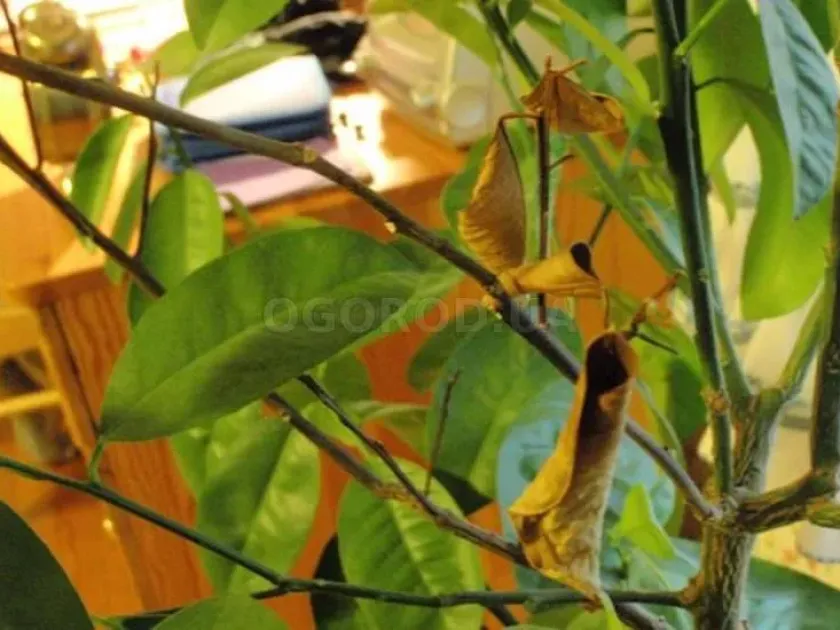
Initial symptoms include the chlorosis and subsequent wilting of leaves on individual branches. This often starts with one or two limbs before spreading to the rest of the canopy.
A diagnostic sign of Deuterophoma is the internal discoloration of the wood. When affected stems are cut transversely, a brown or black ring is typically visible in the vascular tissue.
The bark of infected branches becomes brittle and may show longitudinal cracking. Small black dots, the pycnidia, can often be seen on the surface of the affected bark as the disease progresses.
As the infection spreads, the leaves may curl and drop prematurely. The plant experiences a gradual loss of vigor, eventually leading to the death of the branches or the entire plant.
- Yellowing and wilting of foliage.
- Internal browning of the xylem.
- Premature leaf drop.
- Presence of black pycnidia on the bark.
- Dieback of stems and branches.
Pathogen
The causal agent of the disease is the fungus Deuterophoma tracheiphila, an imperfect fungus that primarily attacks the vascular system of perennial crops. This pathogen is highly specialized and is known for its aggressive systemic invasion of plant tissues.
The fungus survives in infected plant debris, soil, and internally within the infected plant material. Its ability to remain latent in host tissues makes it a difficult pathogen to eradicate once a plantation is contaminated.
Conidia are the primary source of dissemination, spread through rain splashes, wind, and contaminated tools during pruning. Once the fungus enters the plant through wounds or natural openings, it begins to colonize the xylem vessels.
The development of the fungus within the vascular bundle leads to the production of toxins that cause wilting and yellowing. The blockage of vessels prevents the upward movement of water and nutrients, leading to plant decline.
Pycnidia, which serve as the fruiting bodies, develop on the surface of dead bark. These structures release spores during humid conditions, facilitating the spread of the disease throughout the vegetation period.
Conditions for development
The disease thrives under warm and humid conditions, which are ideal for fungal growth and spore germination. Temperatures between 20°C and 25°C are considered optimal for the rapid spread of the pathogen.
High humidity and frequent rainfall are critical factors that promote the release and transmission of conidia. Areas with poor air circulation are particularly prone to severe outbreaks.
Mechanical damage to the plant provides the primary entry point for the fungus. Pruning wounds, frost damage, or injuries from agricultural machinery are frequently implicated in the initial infection.
Poorly managed plantations with high plant density create a microclimate that keeps foliage and stems wet for longer periods, thereby increasing the risk of infection.
Neglecting sanitation practices allows the fungus to accumulate in the orchard. The lack of proper sterilization of tools after working on infected plants significantly boosts the transmission rate.
Why it matters
Deuterophoma is a highly destructive disease that causes systemic vascular failure. This results in significant yield losses and can lead to the total collapse of affected plantations.
Because the disease affects the vascular system, the damage is often irreversible. Infected plants struggle to survive and become highly susceptible to environmental stress and secondary infections.
Economic damage is exacerbated by the cost of removing and replacing dead plants. In intensive farming systems, this requires substantial investment and disruption of normal orchard management.
The quality of harvested fruit is often compromised if the plant is still productive, as the reduced transport of water and nutrients affects fruit development and sugar content.
Since the pathogen can be systemic, it poses a severe threat to nurseries. Distributing infected nursery stock can lead to the widespread introduction of the disease into previously unaffected areas.
Protection
Rigorous sanitation is the cornerstone of Deuterophoma management. All infected parts of the plant must be pruned and removed immediately, followed by burning or deep burial to eliminate spore sources.
Disinfecting all pruning tools with approved solutions is essential to prevent the spread of the fungus from infected to healthy trees. This practice should be strictly enforced.
Preventive fungicide sprays, particularly those containing copper, can help protect susceptible tissues from new infections. Timing these applications before the onset of humid seasons is critical.
Cultural practices that promote tree health, such as balanced fertilization, proper irrigation, and adequate spacing, help to minimize environmental stress and boost natural defenses.
The use of certified, disease-free propagation material is the most effective way to avoid introducing Deuterophoma into a new orchard. Choosing resistant cultivars, where available, further reduces the risk of long-term economic loss.
Discussion
No discussions yet — be the first.