
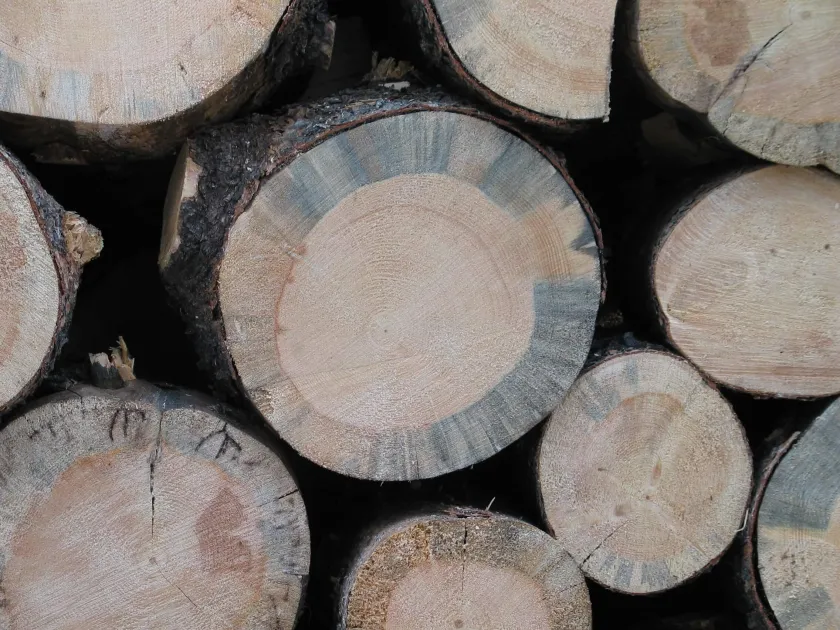
Description
Symptoms
The primary symptom of the disease is the appearance of distinct blue, grey, or blackish streaks and patches throughout the sapwood of the tree.
When the wood is cut or processed, these stains appear as dark radial or longitudinal patterns that penetrate deep into the woody tissues.
On the bark surface, affected trees may show signs of stress or resin exudation, especially in areas where insects have introduced the fungal spores.
When impacting species like Sweetgum (Liquidambar), the fungus may contribute to branch dieback, premature leaf yellowing, and overall decline of the plant's vitality.
Unlike wood-rotting fungi, sapstain fungi typically do not cause immediate structural decay, but they alter the color and porosity of the wood significantly.
Pathogen
The disease is caused by the ascomycete fungus Ceratocystis coerulescens, a specialized pathogen that infects the sapwood of various tree species.
This fungus is widely recognized for its ability to cause deep staining within the xylem, significantly impacting the commercial quality of the wood.
The biological life cycle of this pathogen involves dispersal through both airborne spores and direct transmission by wood-boring insects.
Once inside the tree, the fungal hyphae colonize the wood cells, extracting nutrients and depositing pigments that cause the characteristic discoloration.
It is a highly adaptive fungus that thrives in weakened hosts, often establishing a permanent presence in timber harvesting environments if left unmanaged.
Conditions for development
The development of Ceratocystis coerulescens is highly dependent on moisture levels, with the fungus thriving in wood moisture content above 25-30%.
Temperature is a critical factor, with optimal growth occurring in moderate environments ranging from 15°C to 25°C, common during spring and summer months.
Mechanical injuries, such as broken branches or trunk damage from equipment, serve as ideal entry points for the fungal spores to colonize the tree.
Poor ventilation and high humidity in dense forests or storage yards create a microclimate that facilitates rapid spore germination and mycelial expansion.
Stressed trees, whether due to drought, insects, or environmental factors, are significantly more susceptible to successful infection by this pathogen.
Why it matters
The primary economic impact is the severe devaluation of timber and lumber products, as stained wood is considered aesthetically undesirable for many uses.
Sapstain negatively affects the physical properties of the wood, increasing its permeability and making it more susceptible to further damage from decay-causing organisms.
In ornamental landscaping, persistent infection in species like Sweetgum can lead to long-term decline, reduced growth rates, and the eventual death of the specimen.
The presence of this fungus in a woodlot acts as an ongoing reservoir for inoculum, increasing the risk of infection for neighboring healthy trees.
High levels of infection result in substantial financial losses for the forestry industry, as affected lumber often requires chemical treatment or restricted use.
Protection
Effective management begins with stringent sanitary practices, including the rapid removal and destruction of infected or dead trees from the area.
Managing the population of wood-boring insects is crucial, as they are the main vectors responsible for the spread of Ceratocystis coerulescens.
For harvested timber, the most effective control method is rapid kiln drying or air drying to reduce moisture levels below 20%, which halts fungal growth.
In managed landscapes, maintaining optimal tree health through proper watering and pruning helps the tree develop natural defenses against the pathogen.
- Prompt removal of diseased or stressed trees.
- Regular monitoring and control of wood-boring pests.
- Swift processing and drying of freshly cut lumber.
- Protection of trees from mechanical wounds and bark damage.
Pathogens and affected parts
Affects crops · 1
Discussion
No discussions yet — be the first.